
NEWS
Vatican Author Demands Sheikh Gumi’s Arrest Following Airstrike Criticism
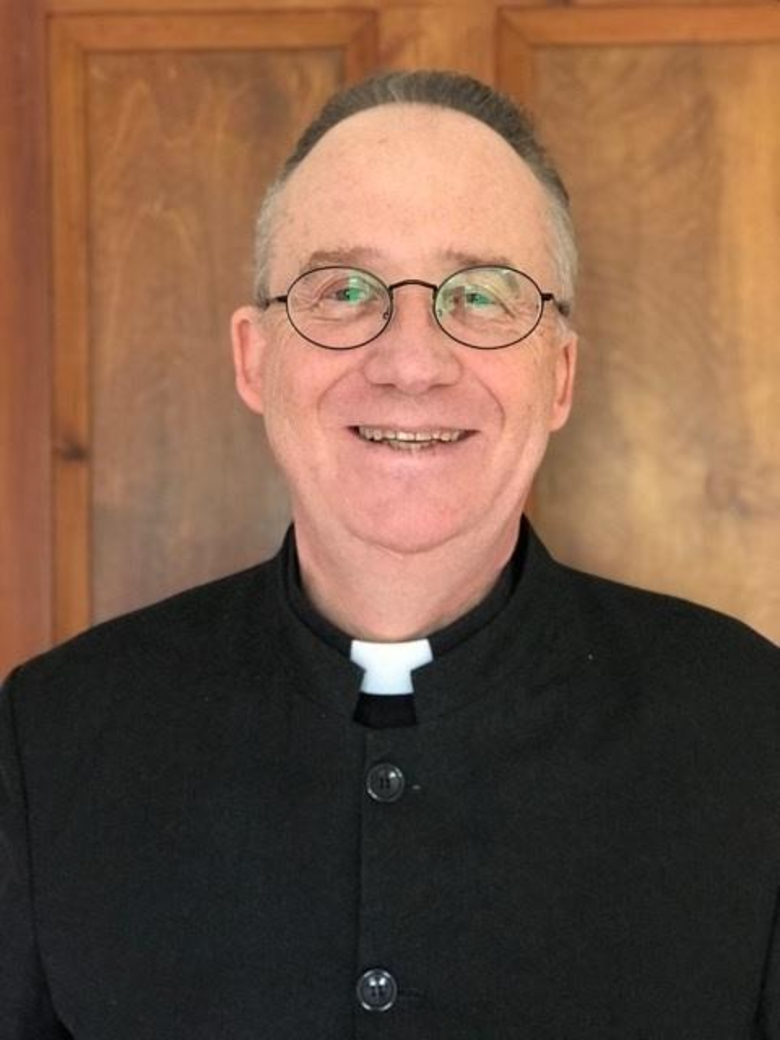
The diplomatic and security tension surrounding the recent United States military intervention in Nigeria has taken a sharp turn toward the religious and legal spheres. Deacon Nick Donnelly, a prominent Catholic author and commentator, has sparked a fresh international debate by calling for the immediate arrest and prosecution of controversial Islamic cleric Sheikh Ahmad Gumi. The demand follows Gumi’s vocal opposition to the Christmas Day airstrikes conducted by American forces against insurgent enclaves in Sokoto State.
The controversy erupted after Gumi issued a strongly worded statement on Friday, urging the Nigerian Federal Government to terminate its military partnership with the United States. Gumi’s comments were specifically targeted at the “Department of War” operations sanctioned by President Donald Trump, which the American leader claimed were necessary to halt a “genocide” against Christian communities in Nigeria’s North-West. Gumi, however, viewed the collaboration as a dangerous precedent that could exacerbate internal tensions.
Donnelly, reacting via his official social media channels, did not mince words in his assessment of the cleric’s stance. He accused Gumi of sympathizing with “bestial Islamist terrorists” and suggested that the cleric’s rhetoric effectively aligned him with the perpetrators of regional violence. The deacon’s call for action was rooted in the language of international law, as he insisted that Gumi should face trial for crimes against humanity.
The Catholic author’s outrage was particularly piqued by what he perceived as Gumi’s identification with the insurgents. By protesting the strikes intended to neutralize these groups, Donnelly argued that the cleric was shielding individuals responsible for systemic atrocities. This confrontation highlights the deep-seated polarization that has come to define the discourse around Nigeria’s security challenges and the role of external military assistance.
In a direct challenge to the Nigerian presidency, Donnelly suggested that the silence of the administration could be interpreted as a form of tacit approval. He called on President Bola Tinubu to publicly distance himself from Gumi’s remarks. According to Donnelly, a failure to condemn the cleric’s rhetoric would raise uncomfortable questions about the government’s own commitment to protecting all citizens regardless of their faith.
Sheikh Gumi has long been a polarizing figure in Nigerian national security discussions. While he has frequently acted as a self-appointed mediator between the government and bandit groups, his proximity to the insurgents has often drawn the ire of security experts and civil rights advocates. His latest intervention, coming at a time of direct foreign military involvement, has only served to intensify the scrutiny on his motives and his influence.
The backdrop to this war of words is the lethal efficiency of the U.S. airstrikes. President Trump’s administration has characterized the mission as a “perfect” strike against the Islamic State and its affiliates. The American government has framed its involvement as a moral crusade to protect religious minorities, a narrative that has resonated with international observers like Donnelly but has been met with skepticism by those who fear the erosion of Nigerian sovereignty.
The demand for Gumi’s arrest adds a new layer of complexity to the Tinubu administration’s domestic policy. The government is currently walking a tightrope, trying to maintain its strategic alliance with the United States while managing the delicate internal politics of the North. Gumi remains an influential voice in certain quarters, and any legal move against him would likely have significant political ramifications in the region.
From a journalistic perspective, the clash between Donnelly and Gumi represents more than just a disagreement over military tactics; it is a battle over the soul of the counter-insurgency narrative. One side sees the U.S. strikes as a necessary, albeit late, intervention to save lives, while the other sees it as a foreign intrusion that could fuel further radicalization and instability.
Donnelly’s call for a trial on the grounds of “crimes against humanity” suggests that the international community is beginning to view the Nigerian security crisis through a more legalistic and punitive lens. It shifts the focus from simple battlefield reports to the accountability of influential figures who shape public opinion and policy regarding the insurgency.
As the Federal Government continues its joint operations with American forces, the pressure to address internal dissent like Gumi’s is mounting. The administration must now decide if the cleric’s words cross the line into incitement or if they remain within the bounds of protected, albeit controversial, speech. The global attention brought by figures like Donnelly ensures that the world is watching how Abuja handles its most outspoken critics.
The situation remains fluid as more details of the Christmas Day strikes emerge. Whether the Nigerian government will heed the call for an investigation into Gumi’s statements remains to be seen, but the intervention of international voices has ensured that the debate over “complicity” and “sovereignty” will remain at the forefront of the national conversation for the foreseeable future.