
NEWS
US Precision Strikes Devastate Terrorist Strongholds in Sokoto
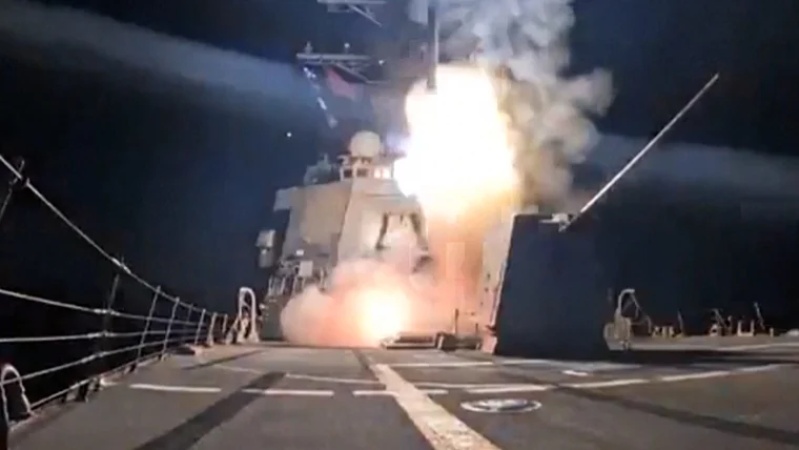
In a major escalation of international counterterrorism efforts within Nigeria’s borders, precision airstrikes conducted by United States forces have reportedly decimated multiple terrorist enclaves in Sokoto State. The operation, which took place over the Christmas period, targeted high-value insurgent hideouts and logistical hubs, resulting in the elimination of several combatants and the destruction of a significant fleet of operational vehicles. While the dust has yet to fully settle in the affected regions of the Northwest, leaked footage of the bombardment has provided a chilling look at the sheer scale of the kinetic engagement.
The visual evidence, which surfaced through high-resolution footage sighted by Sunday Punch, chronicles three distinct aerial assaults carried out between the evening of December 24 and the morning of December 25, 2025. The footage reveals the moment a primary strike hit a fortified enclave, followed immediately by massive secondary explosions. These subsequent blasts strongly suggest that the targeted buildings were being used as makeshift armories or storage facilities for improvised explosive devices, a hallmark of the extremist groups operating in the Sahel corridor.
As the smoke cleared from the initial impact, the thermal cameras captured thermal signatures of suspected terrorists attempting to flee the carnage on foot and in light vehicles. This movement triggered a series of follow-up strikes designed to neutralize the retreating elements, ensuring that the threat was not merely displaced but eliminated. While the exact body count remains a subject of intense military verification, the sheer level of destruction visible in the footage points to one of the most significant foreign military interventions in the region in recent years.
The United States President, Donald Trump, had initially broken the news of the operation on Christmas Day, announcing to the world that American forces had successfully targeted and struck Islamic State assets in northwestern Nigeria. This high-profile confirmation was later corroborated by the Nigerian Federal Government, which framed the mission as a vital component of a long-standing security partnership. The collaboration marks a deepening of ties between Abuja and Washington as the two nations grapple with the rising tide of cross-border insurgency.
In Abuja, the Nigerian military command has maintained a cautious but transparent stance regarding the aftermath of the strikes. Major General Michael Onoja, the Director of Defence Media Operations, briefed journalists on the status of the mission, explaining that a comprehensive Battle Damage Assessment is currently in progress. He emphasized that the process of verifying the number of casualties and the extent of equipment destroyed is meticulous and cannot be rushed if accuracy is to be maintained.
The military has stood firm against skeptics who questioned whether the strikes hit their intended targets. General Onoja clarified that the mission was predicated on actionable intelligence reports that had tracked a significant buildup of terrorist activity in that specific sector of Sokoto long before the jets were scrambled. He assured the public that once the ground teams conclude their observations and finalize the assessment, a detailed report would be made available to provide clarity on the strategic gains achieved during the Christmas operation.
However, the intervention has not been without its detractors. While many in the security community have hailed the precision of the US-led strikes as a necessary bolster to local efforts, some critics have raised concerns about the long-term effectiveness of such aerial campaigns. There are questions regarding whether these strikes address the root causes of the insurgency or if they merely provide a temporary reprieve by thinning the ranks of the leadership. Despite these debates, the presence of American firepower in the Sokoto skies indicates a shift in the regional security posture.
The strategic significance of Sokoto as a theater for these strikes cannot be overstated. As a border state, it serves as a critical transit point for fighters and weapons moving between Nigeria and the wider Sahelian region. By striking enclaves in this specific geography, the US-Nigeria alliance appears to be aiming to disrupt the connectivity of extremist networks that have exploited the porous borders to launch attacks on civilian populations.
As the military continues its assessment into the second week of January, the residents of the Northwest remain in a state of watchful waiting. The success of these strikes will ultimately be measured not just by the footage of explosions, but by a tangible reduction in the frequency of kidnappings and raids that have plagued the region for years. For now, the charred remains of terrorist vehicles in the Sokoto wilderness stand as a grim reminder of the lethal consequences of the renewed international focus on Nigeria’s security challenges.


