
NEWS
U.S. Lawmaker Applauds Direct Military Action Against Terrorists in Nigeria
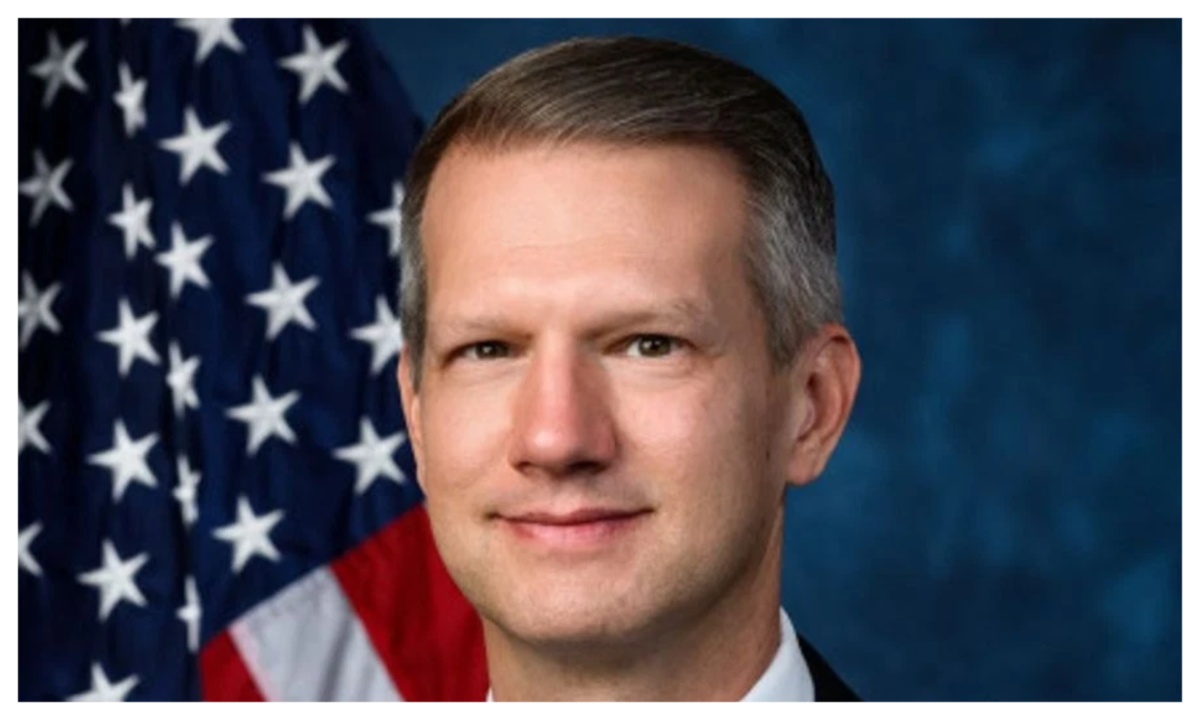
The geopolitical landscape in West Africa shifted dramatically this week as the United States military, in coordination with the Nigerian government, launched precision airstrikes against ISIS-linked targets. Reacting to the Christmas Eve operation, U.S. Congressman Riley Moore of West Virginia issued a stern warning that these strikes are only the “first step” in a new, aggressive American policy toward the region. Moore, a prominent voice on the House Appropriations Committee, took to his official X handle to emphasize that President Donald Trump’s administration is now translating rhetoric into kinetic force.
The operation, which reportedly struck terrorist strongholds in northwestern Sokoto State, follows weeks of escalating tension between Washington and Abuja over the safety of religious minorities. Congressman Moore, who has championed the cause of persecuted Christians in Nigeria, noted that the strikes were designed to neutralize “ISIS Terrorist Scum” responsible for systematic killings. The lawmaker made it clear that the U.S. resolve to end what he termed the “slaughter of Christians” should not be underestimated by extremist groups or international observers.
For Moore, the Christmas action represents a fulfillment of President Trump’s earlier warnings that “hell would be to pay” if the targeted killing of believers did not cease. The Congressman stressed that the coordination with the Nigerian Ministry of Foreign Affairs signals a pivot toward a more muscular partnership. He cautioned that if the security crisis—which he acknowledged affects all Nigerians regardless of faith—does not show immediate signs of improvement, the U.S. is prepared to deploy further measures to dismantle radical networks.
The lawmaker’s comments highlight a significant hardening of American foreign policy toward Nigeria in 2025. Moore, who has frequently met with senior Nigerian officials like National Security Adviser Nuhu Ribadu, argued that the era of “turning a blind eye” to religious persecution is over. He framed the military intervention as a moral imperative, asserting that the United States will not tolerate the prosperity of radical Islamic terrorism in Africa’s most populous nation.
While Nigerian authorities have framed the airstrikes as part of an existing intelligence-sharing agreement, Moore’s reaction suggests a much broader strategic ambition. He urged the Nigerian government to continue its path of “open hand” cooperation, suggesting that a refusal to act decisively against internal threats could jeopardize future diplomatic and financial relations. The Congressman’s “don’t test the President’s resolve” warning served as a chilling coda to a holiday season redefined by drone strikes and high-stakes diplomacy.
As the smoke clears in Sokoto, the focus now turns to whether this direct military involvement will curb the cycle of violence or invite further retaliation. Congressman Moore remains steadfast, insisting that the United States stands ready to do “whatever is necessary” to protect innocent lives and ensure the stability of its partners. For now, his message is clear: the first shots have been fired in a new American campaign to secure the Nigerian hinterlands.