
World News
Trump Issues ‘Locked and Loaded’ Warning Over Iran Unrest
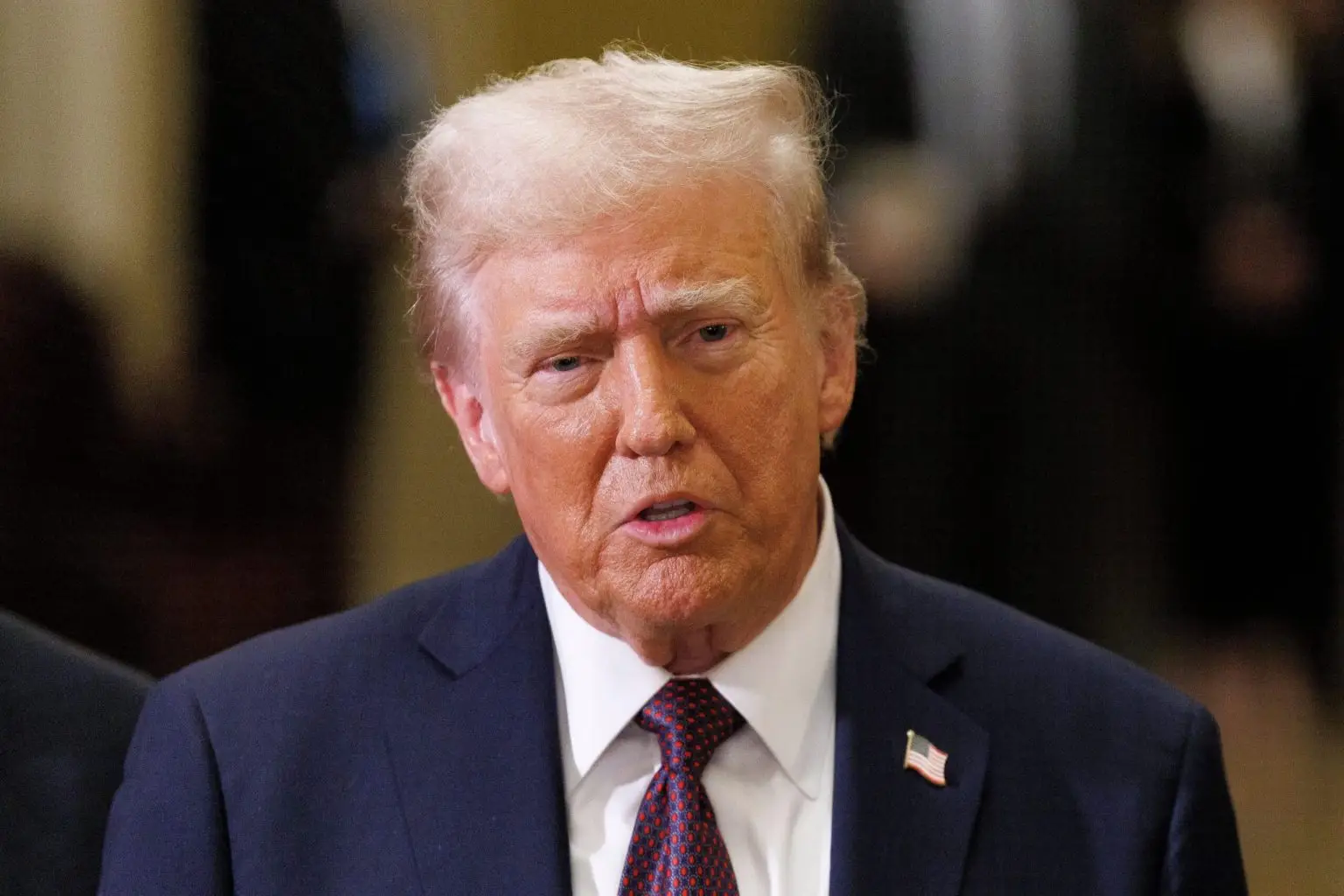
The geopolitical temperature in the Middle East reached a boiling point this Friday as United States President Donald Trump issued a stark ultimatum to the Iranian leadership. Amidst a wave of anti-government protests sweeping across the Islamic Republic, Trump utilized his Truth Social platform to warn that the U.S. military is positioned to intervene should the Iranian government resort to lethal force against its own citizens. “If Iran shoots and violently kills peaceful protesters, the United States of America will come to their rescue,” Trump wrote in a post that reverberated through diplomatic circles. He punctuated the warning with a definitive assertion of military readiness: “We are locked and loaded and ready to go.”
This escalation comes as Iran grapples with its most significant internal upheaval since the 2022 Mahsa Amini protests. What began on December 28 as a localized strike by shopkeepers and bazaar merchants over a plummeting currency and soaring inflation has rapidly metastasized into a nationwide movement. Protesters are no longer just demanding economic relief; they are calling for fundamental systemic change. Reports from human rights groups and social media indicate that the government’s response has turned deadly, with at least seven casualties documented across various provinces as security forces deploy tear gas and live ammunition to disperse crowds.
Tehran’s response to the American president was swift and defiant, characterized by a refusal to allow “external interference” in what it deems domestic affairs. Ali Larijani, the Secretary of Iran’s Supreme National Security Council, dismissed Trump’s comments as “adventurism” and warned that any U.S. incursion would ignite a firestorm that would consume the entire region. In a post on X, Larijani suggested that the American people should be wary of their leader’s rhetoric, advising Washington to prioritize the safety of its soldiers stationed at bases throughout the Middle East—a veiled reference to Iran’s regional strike capabilities.
The rhetoric within the Iranian high command has turned increasingly sharp. Ali Shamkhani, a senior adviser to Supreme Leader Ayatollah Ali Khamenei, emphasized that Iran’s national security remains an inviolable “red line,” vowing that any “interventionist hand” that reaches toward the country would be “cut.” Mohammad Bagher Qalibaf, the Speaker of the Iranian Parliament, echoed this sentiment, declaring that all American military assets in the region would become “legitimate targets” the moment an American foot crosses the border.
On the ground, the situation remains fluid and dangerous. In an apparent attempt to stifle the momentum of the marches, the government of President Masoud Pezeshkian has implemented “energy holidays”—official closures ostensibly meant to conserve power but widely viewed as a tactic to prevent mass gatherings. Despite these measures, and the President’s public admission that the government bears responsibility for the economic crisis, the streets of Tehran and provincial cities like Lordegan remain filled with demonstrators who appear unmoved by promises of negotiation.
The international community is watching with mounting anxiety as two nuclear-capable tensions collide. Trump’s “locked and loaded” stance marks a departure from traditional diplomatic caution, signaling a willingness to use American power to enforce humanitarian boundaries. However, for the shopkeepers of the Grand Bazaar and the students on the front lines, the immediate concern is not the geopolitical chess match, but the daily struggle for survival in an economy where the rial has all but collapsed. As the sun sets over Tehran, the world waits to see if the rhetoric of the day will transform into the conflict of tomorrow.


