
World News
Trump Hesitates on Somaliland Recognition Despite Israeli Move
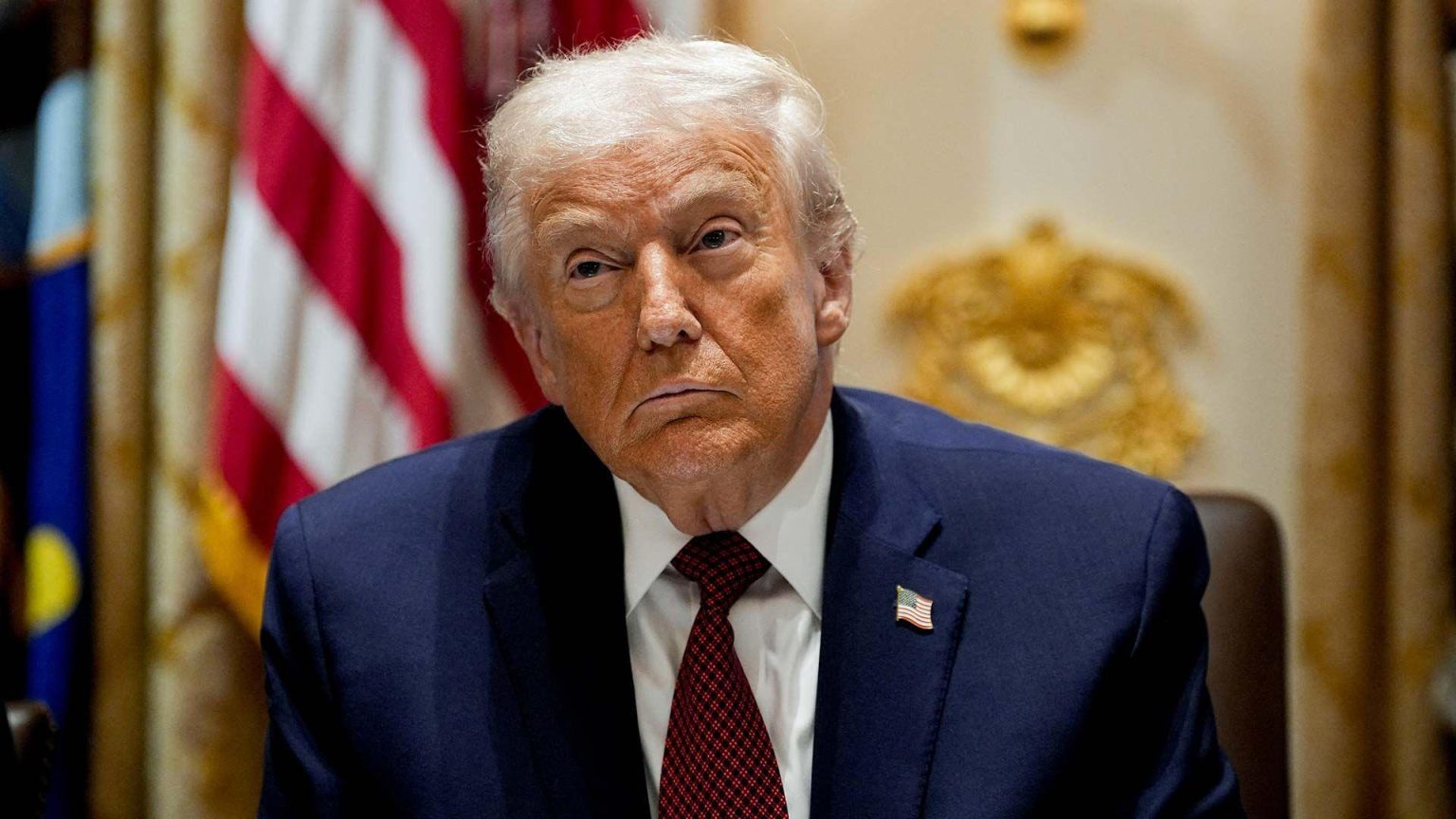
President Donald Trump has signaled a cautious approach toward the diplomatic status of Somaliland, stating he is not yet prepared to follow Israel’s lead in recognizing the breakaway region as an independent sovereign state. In a characteristic display of deliberation, the American leader indicated that while the matter is on his radar, he is in no rush to alter long-standing U.S. foreign policy regarding the Horn of Africa.
The comments came during an interview with the New York Post on Friday, shortly after news broke of a major shift in Middle Eastern diplomacy. When questioned about the possibility of the United States joining Israel in its historic decision, Trump emphasized his preference for deep analysis over impulsive action. He noted that the situation is currently “under study,” suggesting that a formal decision remains some distance away.
Trump’s remarks highlight a potential point of divergence between Washington and its closest ally in the Middle East. Israel made headlines earlier on Friday by becoming the first nation to formally recognize Somaliland’s separation from Somalia. The move by Prime Minister Benjamin Netanyahu’s government was seen as a bold attempt to secure new strategic partnerships in a volatile region, yet it appears the U.S. is not yet convinced of the immediate benefits.
During the interview, Trump maintained his signature confidence in his decision-making process, asserting that his choices are historically proven to be correct. However, he also introduced a note of skepticism regarding the global awareness of the region’s status. By asking rhetorically if the public truly understands what Somaliland is, the President hinted that the complexities of the Somali secessionist movement may not yet warrant a high-priority shift in American diplomacy.
The timing of this development is particularly sensitive as Netanyahu is scheduled to meet with Trump this coming Monday. The Israeli Prime Minister has already indicated his intention to discuss the Somaliland recognition during their sit-down. It is expected that Netanyahu will present the strategic advantages of recognizing the territory, which boasts a stable, self-governing administration and a vital coastline along the Gulf of Aden.
Somaliland declared its independence from Somalia in 1991 following a brutal civil war, but despite maintaining its own government, currency, and military, it has spent decades seeking international legitimacy. For the leadership in Hargeisa, Israel’s recognition was a monumental breakthrough. The hope within the region was that the U.S., under a Trump administration known for breaking diplomatic norms, would quickly provide the second domino in a chain of global recognition.
However, the U.S. State Department has historically been wary of recognizing Somaliland due to concerns about the territorial integrity of Somalia and the potential for further Balkanization of the African continent. Trump’s current stance suggests that these traditional concerns, or perhaps a desire for a better deal, are still weighing heavily on the White House’s foreign policy calculus.
The upcoming meeting between the two leaders will likely be the first real test of how much influence Israel can exert over American policy in Africa. While the Trump administration has been remarkably aligned with Israel on issues like the Abraham Accords and the status of Jerusalem, the Horn of Africa presents a different set of geopolitical risks. Trump’s insistence on “studying” the issue suggests he is looking for a unique American angle rather than simply following a path cleared by others.
For now, the residents of Somaliland and the government in Somalia are watching the exchange with bated breath. A sudden shift by the U.S. would fundamentally rewrite the political map of East Africa. Conversely, a continued “study” by the Trump administration may leave Somaliland in the familiar territory of partial recognition, even as its strategic importance to global trade routes continues to grow.
As Monday’s meeting approaches, the world waits to see if the persuasive powers of the Israeli delegation can move the President from a position of curiosity to one of formal endorsement. Until then, Trump’s message remains one of patient observation, ensuring that any move the U.S. makes is, in his words, one of those “great decisions” that defines his tenure.


