
NEWS
Tinubu Overhauls NERC Leadership for Power Reform
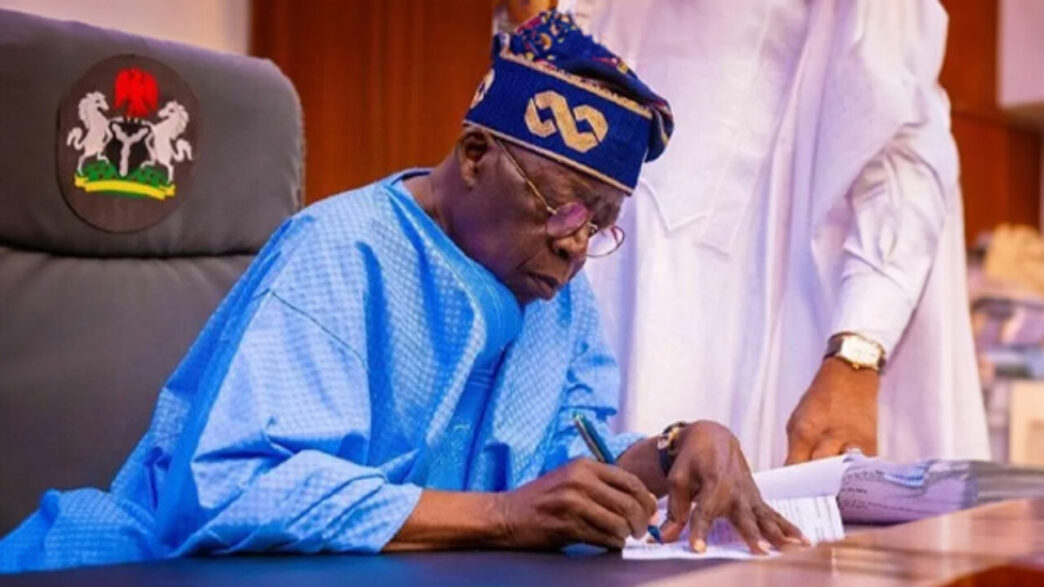
President Bola Ahmed Tinubu has formally reconstituted the Board of the Nigerian Electricity Regulatory Commission (NERC), signaling a strategic shift toward stabilizing the nation’s volatile energy sector. The move follows a rigorous legislative vetting process, culminating in the Senate’s confirmation of the nominees on December 16. This administrative reset aims to align the commission with the ambitious mandates of the Electricity Act of 2023.
According to a statement released on Thursday by Bayo Onanuga, the President’s Special Adviser on Information and Strategy, the new leadership is anchored by seasoned technocrats with deep institutional memory. Leading the charge is Dr. Mulisiu Olalekan Oseni, who has been elevated to the position of Chairman. Oseni is no stranger to the inner workings of the commission, having served as a Commissioner since early 2017 and subsequently as Vice Chairman.
Dr. Oseni’s tenure as Chairman officially commenced on December 1, 2025. Under the legal framework governing the power sector, his appointment is slated to run until the completion of his ten-year tenure. This continuity is viewed by industry observers as a move to provide regulatory stability at a time when Nigeria is aggressively pursuing decentralized power solutions and increased private sector investment.
Joining him at the helm is Dr. Yusuf Ali, who has been appointed as the Vice Chairman of the Commission. Dr. Ali, who first joined the regulatory body as a Commissioner in February 2022, assumed his new secondary leadership role at the start of December. His term will continue through the expiration of his first tenure, providing a blend of relatively fresh perspective and established regulatory experience to the executive wing of the board.
The reconstitution also sees the return of several key veterans who have been instrumental in shaping Nigeria’s current energy policies. Mr. Nathan Rogers Shatti and Mr. Dafe Akpeneye have both been retained to serve their second terms as Commissioners. Both men were part of the 2017 intake, and their reappointment suggests the presidency’s satisfaction with the technical direction the commission has taken over the last several years.
Further strengthening the board’s diversity and experience is Aisha Mahmud Kanti Bello, who continues into her second term after a successful initial stint that began in late 2020. Dr. Chidi Ike also remains on the board, maintaining the momentum he has built since his first appointment in early 2022. This retention of core staff appears designed to prevent the “brain drain” that often plagues high-level Nigerian regulatory bodies during transition periods.
A significant new addition to the team is Dr. Fouad Animashaun, an energy economist whose resume boasts extensive frontline experience in sub-national power regulation. Prior to joining the federal commission this December, Animashaun served as the Executive Commissioner and Chief Executive Officer of the Lagos State Electricity Regulatory Commission. His background in managing Africa’s largest metropolitan energy market is expected to be invaluable as Nigeria pushes for more state-level autonomy in power generation.
President Tinubu has issued a clear mandate to the newly inaugurated board: the era of stagnation in the power sector must end. He has tasked the team with deepening and consolidating the ongoing transformation of Nigeria’s electricity value chain. The President’s directive emphasizes strict adherence to the Electricity Act of 2023, a piece of legislation that effectively broke the federal monopoly on power and opened the gates for a competitive multi-tier market.
For the ordinary Nigerian, the stakes of this board reconstitution are incredibly high. The country continues to grapple with grid collapses, metering gaps, and tariff disputes that have hampered industrial growth. The Oseni-led board will be expected to find a delicate balance between making the sector “bankable” for investors and ensuring that electricity remains affordable for a population already stretched by economic reforms.
The inclusion of an economist like Animashaun suggests that the administration is placing a higher premium on the financial sustainability of the sector. By bringing in experts who have successfully navigated the complexities of state-level regulation, the federal government seems to be acknowledging that the future of Nigerian power lies in a more fragmented, localized, and efficient grid system.
As the new board members settle into their offices at the NERC headquarters in Abuja, the immediate focus will likely be on clearing the backlog of regulatory hurdles that have delayed several independent power projects. With the Senate’s backing and the President’s clear instructions, the legal and administrative pathway for a total energy overhaul is now wider than ever before.
The coming months will serve as a litmus test for Dr. Oseni and his colleagues. Industry stakeholders are watching closely to see if this “reconstituted” team can move beyond policy formulation into the aggressive implementation of the laws that govern the light in Nigerian homes. For now, the administrative pieces are in place, and the legal framework is set; all that remains is the execution of a vision for a brighter Nigeria.


