
NEWS
The Myth of the Wealthy Cleric: Adeoye Speaks
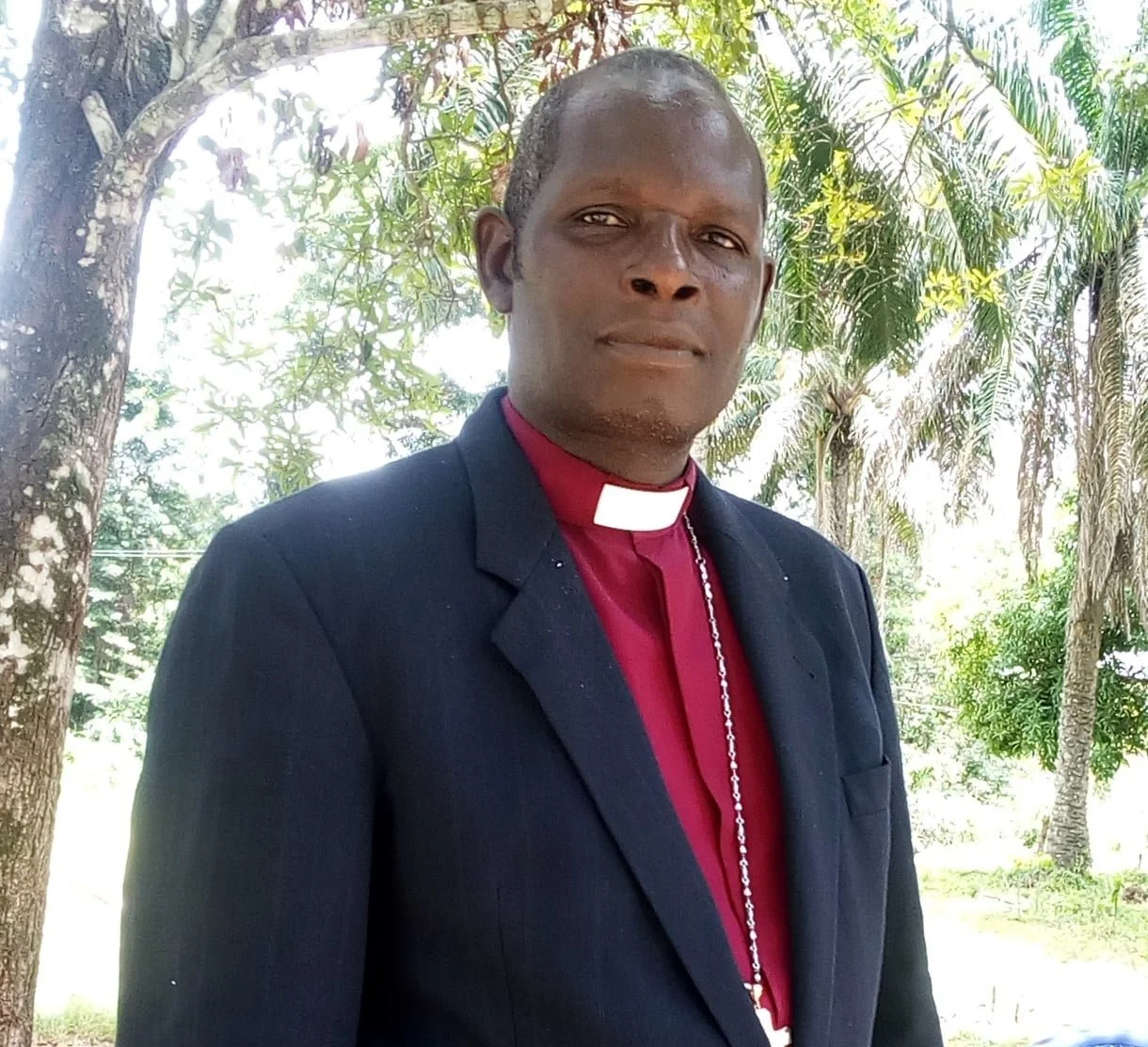
In an era where high-profile jets and sprawling cathedrals dominate the public perception of the Nigerian clergy, Bishop Seun Adeoye has stepped forward to shatter what he calls a dangerous and “satanic” misconception. Speaking in Okinni, Osun State, during the unveiling of his ministry’s 2026 watchword, the high-ranking cleric revealed a stark reality: the vast majority of Nigerian pastors are not living in opulence, but are instead locked in a desperate struggle for financial survival.
Adeoye, who holds significant influence as the Acting Nuncio of the World Bishops Council in Africa, argued that the visible wealth of a tiny elite has unfairly colored the public’s view of the entire profession. According to his data, fewer than two percent of the nation’s ministers can actually be classified as wealthy. This lopsided representation, he claims, has placed an unbearable burden of suspicion and unrealistic expectations on the remaining 98 percent who toil in relative obscurity.
The Bishop was particularly critical of the popular narrative that links pastoral wealth directly to the collection of tithes and offerings. He described this assumption as a strategic attack on the integrity of the Church. He pointed out that for the few who have amassed significant fortunes, the sources of their wealth often extend far beyond the church basket, involving private investments and other ventures that are not common to the average local pastor.
One of the most stinging portions of Adeoye’s address was directed at the “General Overseer” class. He accused these affluent leaders of building “tall walls” around themselves, effectively insulating their luxury from the harsh realities faced by their struggling peers. To Adeoye, the sight of mega-pastors showcasing private jets while village ministers go to bed hungry is a betrayal of the very gospel they claim to preach.
He shared a poignant and troubling example to illustrate this disconnect within the body of Christ. The Bishop referenced a situation where millions of Naira were reportedly donated to a university zoo to ensure animals were well-fed, while tens of thousands of “genuine men of God” and their families were simultaneously dying of hunger. This disparity, he suggested, highlights a profound moral failure in the distribution of resources within the Christian community.
Drawing from his role in the Worldwide Anglican Church, Adeoye challenged wealthy clerics to look back at the origins of their faith. He reminded them that the character of Jesus Christ was defined by lifting those in need, not by the accumulation of personal status. He urged them to revisit the parable of the Good Samaritan in the Gospel of Luke, asking them to count how many fellow ministers they have supported outside their own immediate organizations.
The Bishop’s revelation comes at a time of significant economic hardship in Nigeria, where the costs of living have skyrocketed. For many local pastors, especially those in rural or low-income areas, the decline in the purchasing power of their congregants has directly translated into empty parsonages and unpaid school fees for their children. By speaking out, Adeoye hopes to spark a conversation about the need for an internal welfare system within the Nigerian church.
Despite the somber tone of his financial assessment, the Bishop concluded his address on a note of spiritual optimism. As he unveiled “Forward Movement” as the theme for 2026, he encouraged his listeners to remain steadfast. He called on Christians to look past the current economic gloom and prepare for a season of divine blessings, even as he advocated for more tangible, human compassion from the top tier of the religious hierarchy.
The fallout from Adeoye’s comments is likely to be felt across the denominational divide. By pulling back the curtain on the “pastoral poverty” that exists behind the scenes, he has challenged both the public and the affluent church leadership to rethink their attitudes toward the men and women in the pulpit. For the Bishop, the true strength of the church is measured not by the heights of its walls, but by the depth of its support for the most vulnerable among its own.