
NEWS
Stakeholders Urged to Collaborate for Sustainable Peace in Taraba
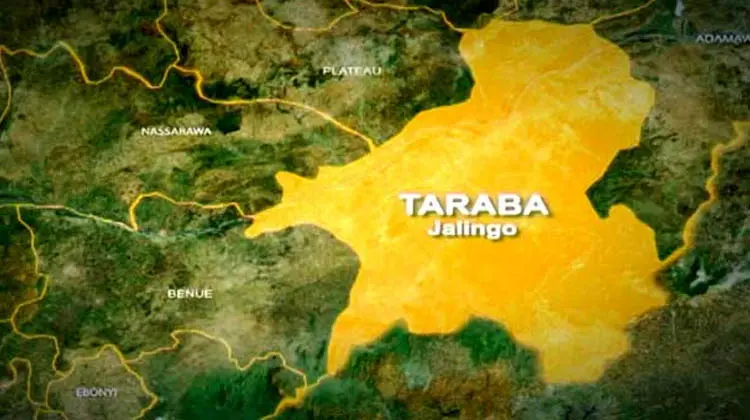
The Department of Peace Studies and Conflict Resolution at Taraba State University, in collaboration with the Bureau for Peace and Conflict Management, has issued a powerful call to government institutions, civil society organizations, traditional rulers, security agencies, and development partners to join forces in restoring lasting peace and stability in Taraba State.
Dependable NG reports that the call was contained in a communiqué released on Thursday at the conclusion of a three-day National Conference on Violent Conflict and Peacebuilding held in Jalingo. The conference successfully convened a diverse group of participants, including academics, policymakers, traditional rulers, security agencies, community representatives, and international partners, for what organizers termed a “robust reflection” on the state’s escalating conflict dynamics and the crucial need for a sustainable peace framework.
The communiqué, signed by Dr. Buhari Shehu Miapyen, Dr. Nsemba Edward Lenshie, Dr. Gabriel Yina, Hon. Oliver Sunday, and Mr. Jeetendra Shehu, expressed deep concern over the rising frequency and intensity of violence in Taraba. This violence includes escalating communal clashes, banditry, kidnappings, highway insecurity, and the increasing use of sophisticated weapons. Delegates also issued a stern warning regarding the dangerous spread of misinformation and inflammatory content on social media, particularly during politically sensitive periods, which they noted has significantly heightened tensions across communities.
The body further highlighted the severe consequences of insecurity, citing loss of lives, destruction of homes and farmlands, mass displacement, repeated closure of schools and health facilities, major disruptions in agricultural productivity, and broader economic setbacks. The psychological impact, particularly trauma and fear, was noted as affecting women and children most severely. They identified ethnic mistrust, historical grievances, boundary disputes, political manipulation, weak governance, youth unemployment, and poverty as major drivers of conflict. Delayed justice processes and miscommunication among religious groups were also flagged as factors deepening polarization and complicating peace efforts.
To tackle these multilayered challenges, the conference recommended strengthening hybrid security governance combining state and community-based systems. It also proposed expanding early warning and response mechanisms, empowering youth through skills development and economic support, enhancing the justice system for fairness and accountability, and promoting sustainable resource management. Other recommendations included institutionalizing regular multi-stakeholder dialogue platforms, integrating peace education into all levels of learning, and promoting responsible journalism while actively combating misinformation. While acknowledging ongoing mediation efforts by the Taraba State Government, participants stressed the urgent need for deeper, more coordinated interventions, especially in conflict-prone areas such as Karim Lamido and Takum.


