
NEWS
Sheikh Gumi Blames Clandestine Foreign Operations for Recent Terror Strikes
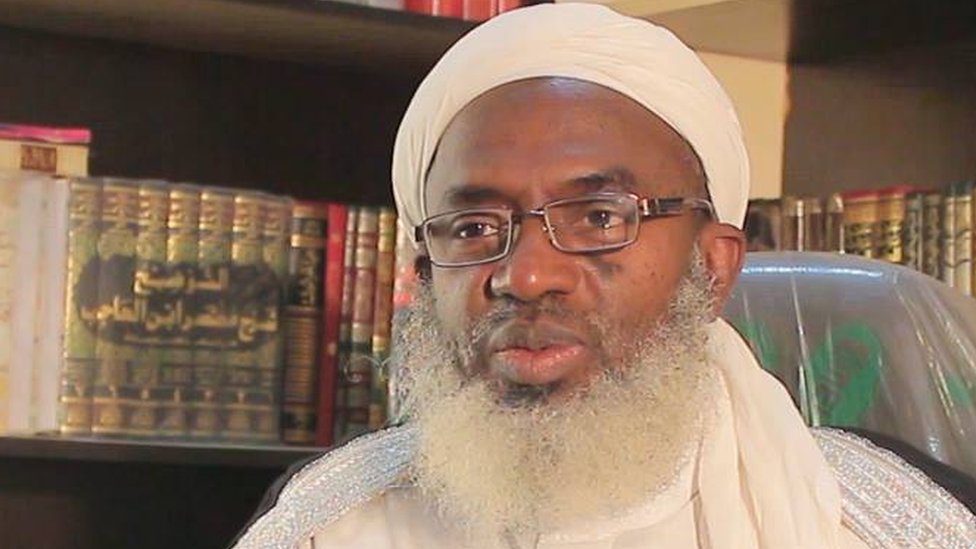
The discourse surrounding Nigeria’s security challenges took a sharp turn toward international conspiracy this week as Sheikh Ahmad Gumi alleged that recent attacks on worshippers may be orchestrated by foreign interests. In a series of provocative statements shared via his X handle on Thursday, December 25, 2025, the Kaduna-based Islamic scholar suggested that Nigeria has become a chessboard for Western powers seeking to justify “clandestine operations” and eventual external intervention.
Gumi’s intervention comes at a time of heightened diplomatic tension, following recent threats from the United States regarding military action to address alleged religious persecution in Nigeria. The cleric argued that these “terror attacks on worshippers” are being used as a pretext by foreign actors to undermine the nation’s sovereignty. He contended that the ultimate goal of such interference is not the protection of human rights, but the seizure of Nigeria’s vast natural wealth.
To bolster his claims, the Sheikh drew a parallel to a controversial chapter in Nigerian history. He referenced the 1995 bombing of the Durbar Hotel bookshop in Kaduna during the regime of General Sani Abacha. Gumi cited long-standing allegations made by Kaduna activist Mahdi Shehu, who accused former American diplomat Russell Hanks of masterminding that blast to destabilize the military government of the time.
According to Gumi, the refusal of the former envoy to address these specific allegations over the decades lends weight to the possibility of modern-day “black flag” operations. He warned that being labeled a “country of concern” by Western powers essentially places Nigeria on a tactical radar where intelligence agencies might facilitate violence to prove that the central government is incapable of maintaining order.
The scholar’s rhetoric reached a fever pitch as he compared Nigeria’s current predicament to that of other resource-rich nations like Venezuela. He suggested that foreign embassies are often utilized as hubs to evade national censorship while coordinating activities that jeopardize the territorial integrity of the host nation. This “interventionist playbook,” as Gumi describes it, is allegedly designed to create enough chaos to make foreign military presence appear like a humanitarian necessity.
Gumi’s post has sparked a firestorm of debate across social media and political circles in Abuja. While some view his comments as a necessary defense of national sovereignty, critics argue that such conspiracy theories distract from the internal failures of security agencies to protect sacred spaces. The timing is particularly sensitive, given the recent mosque attack in Maiduguri and the ongoing debate over the “Christian genocide” narrative championed by some international observers.
For Gumi, the focus of the Nigerian state should be on domestic intelligence that looks outward as much as inward. He cautioned that if the government continues to ignore the possibility of foreign “masterminds,” it may find itself losing control of the nation’s destiny. His call for the Presidency to summon foreign ambassadors and demand accountability reflects a growing sentiment of anti-Western skepticism among certain segments of the Northern elite.
As the 2025 Christmas season concludes under a heavy security blanket, Gumi’s allegations have added a complex layer to the national security conversation. Whether his claims are rooted in fact or a strategic attempt to shift the narrative, they underscore a deep-seated distrust of international “help” in the fight against terror. For now, the Sheikh remains adamant: until Nigeria secures its borders against both bandits and foreign operatives, the cycle of violence will continue to serve interests far removed from the Nigerian people.


