
NEWS
Shehu Sani Hails Release of Air Force Crew
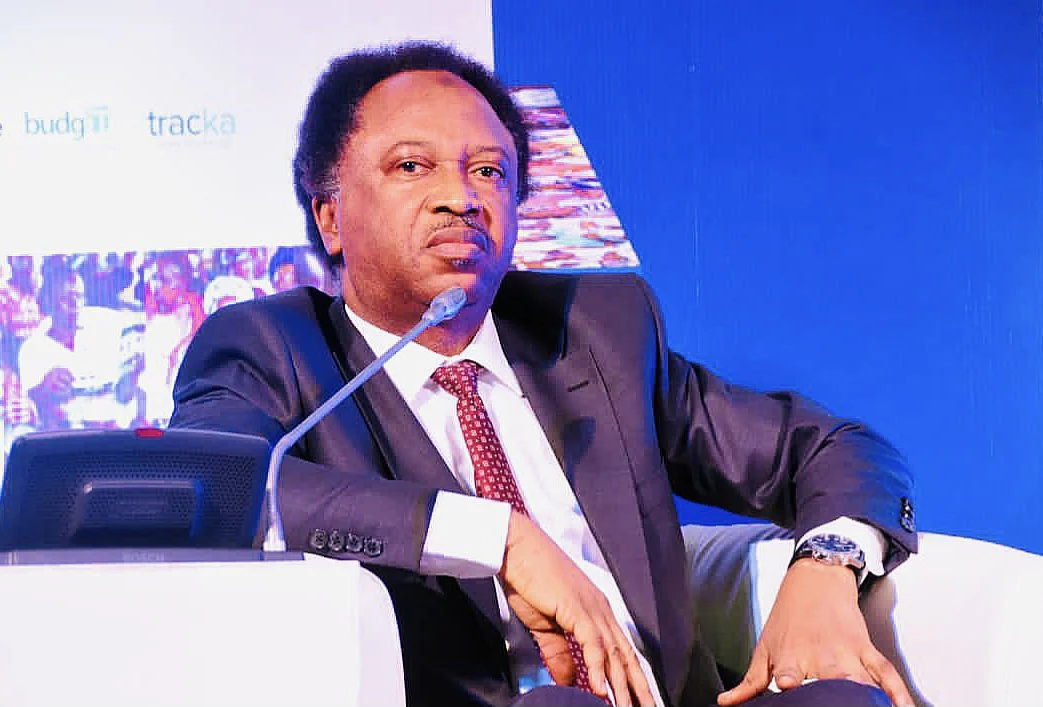
Former Kaduna Central Senator, Shehu Sani, has issued a powerful call for African solidarity following the release of eleven Nigerian Air Force personnel and their aircraft by the military government of Burkina Faso. The diplomatic resolution, which saw the crew return home after being detained by the Ibrahim Traore-led junta, has been widely viewed as a significant victory for regional diplomacy. In a characteristically blunt reflection on the continent’s geopolitical struggles, Sani cautioned that Africans must remain vigilant to avoid becoming “pawns” in the strategic games of foreign powers.
Writing via his verified social media platform on Thursday, December 18, 2025, the former lawmaker praised the “diplomatic shuttle” led by Nigeria’s Foreign Affairs Minister, which he credited for the successful negotiation. The incident had initially sparked concerns about deteriorating relations between Nigeria and the military-led states of the Sahel. However, the release of the NAF aircraft and its crew suggests that back-channel communication remains functional despite the political friction within the ECOWAS region.
Sani’s reaction transcended the immediate logistical relief of the rescue, delving instead into the broader ideology of Pan-Africanism. He argued that the core interest of “neocolonialists and imperialists” in Africa has always been the continent’s vast natural resources. According to the activist, global powers find it easier and more “accessible” to exploit these resources when African nations are embroiled in internal conflicts or regional disputes. He urged leaders across the continent to remember their shared heritage as brothers and sisters, rather than acting as “lackeys” for external interests that benefit from African disunity.
The detention of the Nigerian military personnel in Burkina Faso had been a subject of intense speculation, though the specific circumstances surrounding their landing in the Sahelian country remained largely classified. Sani’s commentary highlights a growing sentiment among African intellectuals that the continent must move toward “African solutions for African problems.” By framing the release as a triumph of brotherhood over imperialist-driven discord, he pointed to a future where diplomatic dialogue replaces the suspicion that has defined recent relations between Nigeria and its northern neighbors in the Sahel.
As the Nigerian Air Force personnel reunite with their families, the focus now shifts to whether this gesture from Ouagadougou will lead to a broader de-escalation of tensions in West Africa. For Sani, the lesson is clear: unity is the only effective defense against a modern form of colonialism that thrives on the fragmentation of African states. He maintains that the continent’s progress is inextricably tied to its ability to resolve disputes internally, without allowing foreign “benefactors” to dictate the terms of African peace.


