
NEWS
Security Agencies Launch Digital Offensive to Silence Terrorist Propaganda
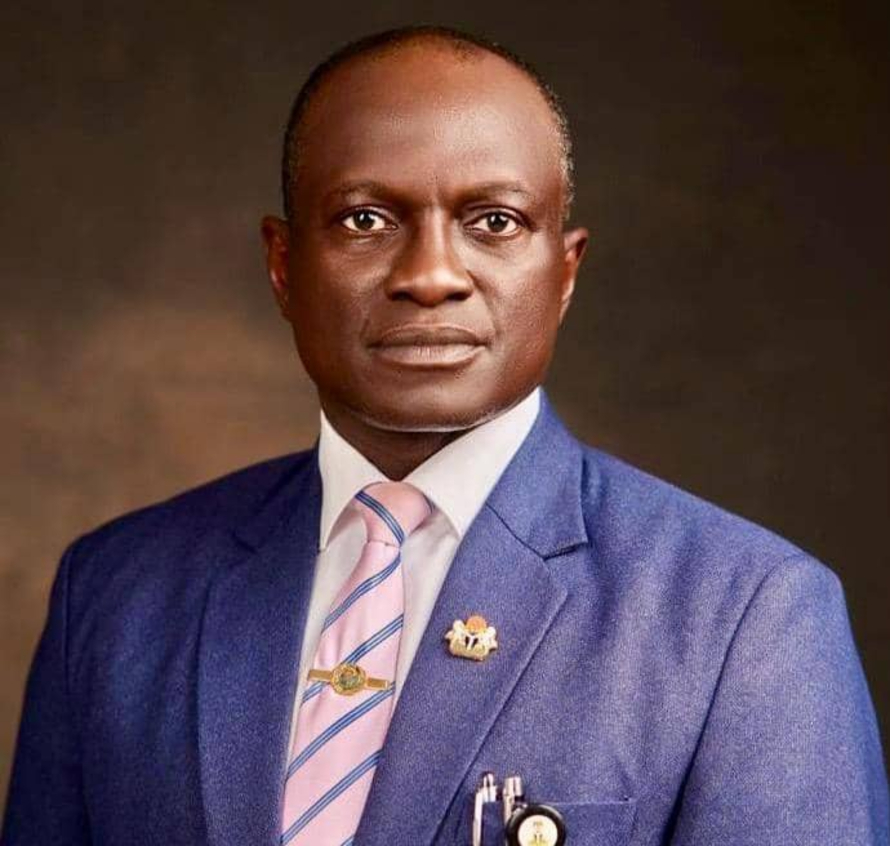
Nigeria’s federal authorities have launched a comprehensive digital crackdown on the virtual footprints of insurgent and bandit groups, signaling a new frontier in the nation’s counter-insurgency operations. The government has revealed that security agencies are now in active, high-level collaboration with global social media giants to identify, monitor, and permanently disable accounts used by criminals to glorify violence or solicit illicit funding.
Maj.-Gen. Adamu Laka, the Director-General of the National Counter Terrorism Centre, broke the silence on these clandestine digital operations during a year-end security briefing in Abuja on Tuesday. He detailed how platforms that were designed for social connection—including TikTok, Facebook, Instagram, Snapchat, and X—have been systematically weaponized by terror cells to broadcast their raids and intimidate the public.
The counter-terrorism chief explained that the era of bandits flaunting looted wealth and kidnapped victims on live streams is being brought to an abrupt end. According to Laka, the government has moved beyond mere observation, engaging in direct negotiations with the tech companies that host these platforms to ensure that content threatening national sovereignty is purged within minutes of appearing.
General Laka admitted that the process is a complex tug-of-war between public safety and the commercial interests of social media firms. He noted that while these platforms are businesses driven by subscriber growth, the Nigerian government has been successful in demonstrating the catastrophic real-world consequences of allowing extremist content to go viral. This engagement has led to the mass deletion of accounts that once served as propaganda megaphones for warlords.
The shift in strategy comes as a response to the evolving tactics of bandits who had become increasingly bold in their digital presence. There was a period when kidnappers would utilize TikTok to display stacks of ransom money or broadcast live conversations to exert psychological pressure on families. Laka confirmed that through sophisticated tracking and cooperation with platform moderators, those specific digital channels have been effectively dismantled.
However, the battle is far from over, as terrorist groups have proven to be highly adaptive. The General noted that as soon as one account is neutralized, remnants of these groups often attempt to resurface using unverified handles and cryptic aliases. To stay ahead, Nigerian intelligence units are constantly recalibrating their algorithms and monitoring tools to detect these “chameleon” accounts before they can gain significant traction or followership.
Parallel to the digital purge is a tightening noose around the financial lifelines of these groups. The National Counter Terrorism Centre identified a troubling trend involving Point-of-Sale operators who have unwittingly or complicitly become “human ATMs” for kidnappers. By using POS account numbers to receive ransom transfers, criminals have created a fragmented financial trail that is significantly harder to trace than traditional bank transfers.
Laka described a scenario where kidnappers provide the bank details of a local POS agent to the victim’s family. Once the transfer is confirmed, the criminals or their runners visit the agent to collect the physical cash, effectively laundering the ransom money through a legitimate neighborhood business. This tactic has forced security agencies to expand their investigations into the informal financial sector to dismantle these decentralized payment networks.
Despite these hurdles, the government reported significant progress in the prosecution of terror financiers. While specific operational details remain classified to protect ongoing stings, Laka confirmed that multiple arrests have been made and assets seized. These actions have not only disrupted local operations but have also improved Nigeria’s standing with the Financial Action Task Force, the global watchdog for money laundering and terrorism financing.
The regional instability in the Sahel remains a primary concern for Nigeria’s security architecture. The General observed that the recent wave of coups in neighboring countries has created a security vacuum, allowing terrorist networks with cross-border affiliations to regroup and intensify their activities. He emphasized that Nigeria must maintain a leadership role in the Sahel, as the porous nature of the borders means that insecurity in one nation inevitably spills into another.
Looking ahead to 2026, the Federal Government has pledged to “up the game” by integrating more advanced artificial intelligence into its counter-terrorism efforts. The goal is to create a seamless shield that covers both the physical terrain of the forests and the invisible terrain of the internet. The message to criminal elements is clear: the digital shadows they once hid in are being illuminated by the state’s tightening surveillance.
As the year draws to a close, the National Counter Terrorism Centre is calling for increased vigilance from the public. While the government takes down the accounts of terrorists, citizens are urged to report suspicious social media activities and avoid sharing content that glorifies banditry, as such shares only serve the enemy’s goal of spreading fear.