
NEWS
Sanwo-Olu Slams NGOs Over Makoko Demolition Outcry
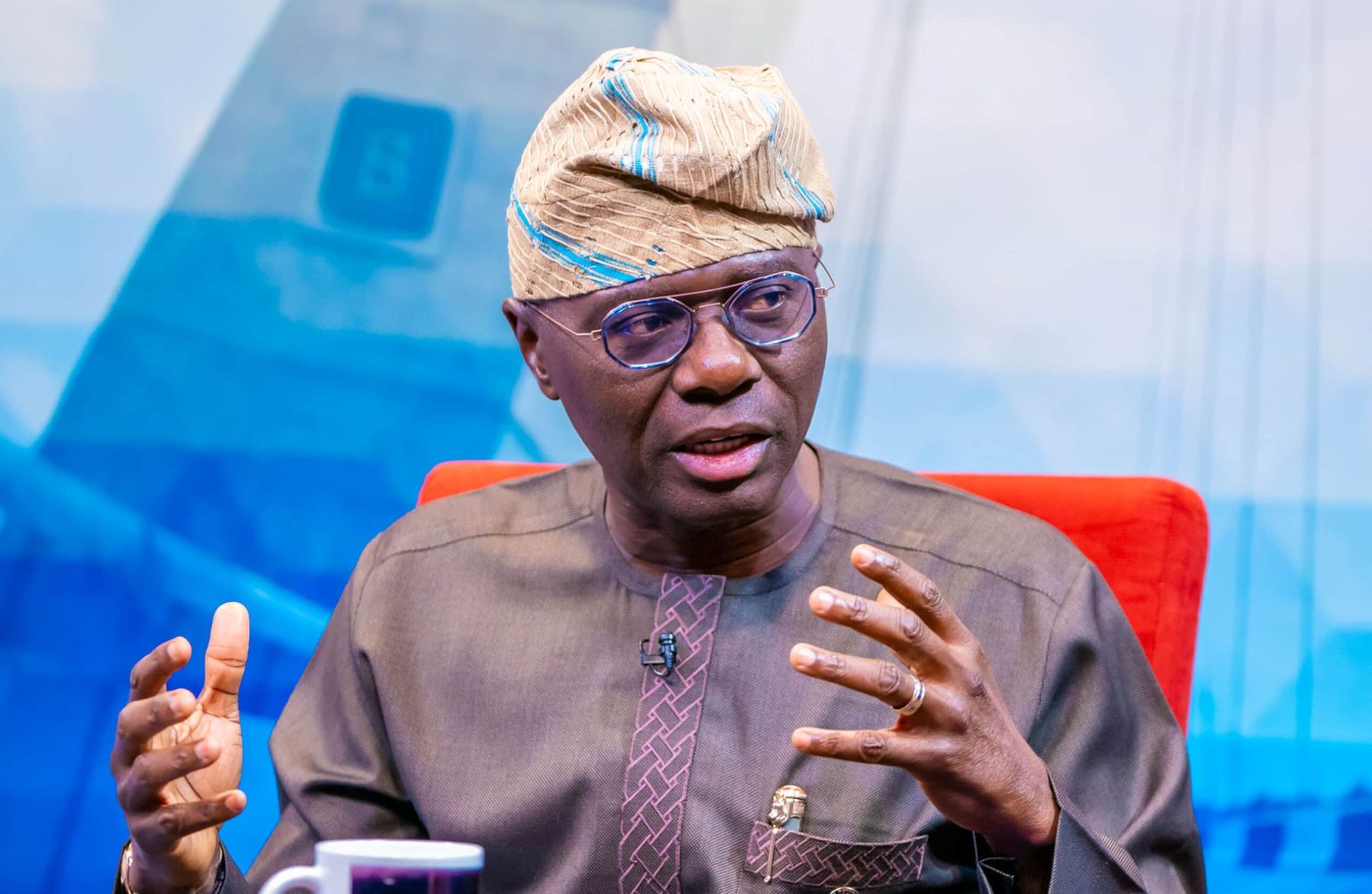
The simmering tension over the recent demolition exercises in the Makoko area of Lagos State took a sharp political turn on Monday as Governor Babajide Sanwo-Olu launched a scathing critique of non-governmental organizations involved in the discourse. Addressing a press gallery in Lagos, the Governor alleged that a network of local and international NGOs has transformed the plight of displaced residents into a lucrative business venture, effectively “crying more than the bereaved” to secure foreign funding.
Sanwo-Olu’s remarks come at a time when the clearance of waterfront shanties and informal settlements has drawn global scrutiny. However, the Governor presented a different narrative, one focused on the transparency and accountability of the activists themselves. He suggested that the vocal opposition from these groups is less about human rights and more about protecting their own financial interests and covering up a lack of genuine impact on the ground.
The Governor claimed that the state government is currently studying evidence of how these organizations have solicited and received substantial grants in the name of the Makoko community. According to Sanwo-Olu, many of these groups have failed to deliver on the promises made to their international donors. He argued that the current uproar is a calculated attempt to deflect attention from their own perceived failures and to justify the continued flow of donor wealth into their coffers.
Safety, rather than urban renewal or displacement, was the central pillar of the Governor’s defense for the demolition. He highlighted the extreme risks faced by residents living in the affected areas, specifically pointing out that many shanties had been erected directly beneath high-tension power lines. For the Lagos State Government, these structures represent a “disaster waiting to happen,” and the Governor insisted that his administration could not remain a passive observer to such lawlessness.
The Governor posed a rhetorical question to the public, asking what possible motive the government would have to displace its citizens if not for their fundamental safety. He described the interventions as necessary measures to prevent catastrophic accidents that could lead to widespread loss of life. Sanwo-Olu emphasized that a responsible state must eventually enforce its laws, even when those decisions are unpopular or met with stiff resistance from interest groups.
This confrontation highlights the deep-seated friction between the Lagos State Government’s vision of a “Greater Lagos” and the organic growth of its informal settlements. While activists argue that the demolitions render thousands homeless without adequate alternatives, the Governor maintains that the state must prioritize order and public safety over the preservation of dangerous living conditions. He signaled that the government is ready to face its critics head-on and present evidence of the alleged NGO profiteering.
The Governor’s “crying more than the bereaved” comment has struck a chord in the local political landscape, suggesting that the primary stakeholders—the residents themselves—might have different priorities than the organizations claiming to represent them. By framing the NGOs as opportunistic middlemen, Sanwo-Olu is attempting to shift the public debate from the ethics of displacement to the ethics of advocacy and development aid.
As the dust settles over the physical structures in Makoko, the war of words is only intensifying. The state government remains firm in its stance that it will not allow a culture of lawlessness to thrive in the face of obvious environmental and electrical hazards. Meanwhile, the international community and local civil society groups are likely to demand more than just allegations of financial impropriety as they seek justice for those impacted by the bulldozers.
The situation in Makoko serves as a microcosm of the challenges facing rapidly urbanizing African megacities. Balancing the need for modern infrastructure and public safety with the rights of the urban poor remains a delicate tightrope walk. For now, Governor Sanwo-Olu has made it clear that his administration will not be intimidated by what he describes as “profit-driven” external pressure, vowing to continue the cleanup of high-risk zones across the metropolis.


