
NEWS
Royals Clash as Alaafin Rejects Rotational Chairmanship
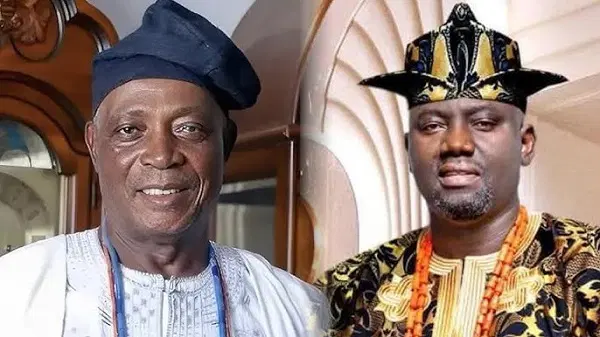
A significant power struggle is brewing within the traditional hierarchy of Oyo State following the controversial inauguration of Oba Rashidi Ladoja, the Olubadan of Ibadanland, as the Chairman of the State Council of Obas and Chiefs. The move has sparked a sharp rebuke from the Alaafin of Oyo, Oba Akeem Owoade, who conspicuously shunned the ceremony and signaled his intention to seek legal redress.
The inauguration, presided over by Governor Seyi Makinde on Thursday, January 15, 2026, introduced a new order for the state’s traditional leadership. Under the newly amended Oyo State Council of Obas and Chiefs Law, 2025, the permanent chairmanship previously enjoyed by the Alaafin was abolished. In its place, the state government established a rotational system among the three foremost monarchs—the Olubadan, the Alaafin, and the Soun of Ogbomoso—with each serving a two-year term.
While Governor Makinde stated during the event that the new arrangement was the product of wide consultations and mutual agreement among the “three fathers,” the Alaafin’s palace has swiftly moved to debunk those claims. In a strongly worded statement issued by his media aide, Bode Durojaye, Oba Owoade asserted that no such meeting or agreement ever took place between the monarch and the state government.
The absence of the Alaafin from the House of Chiefs Secretariat in Ibadan was interpreted by palace insiders as a deliberate act of protest. Sources close to the throne revealed that the monarch views the stripping of his permanent chairmanship as an affront to a historical legacy that predates modern Nigeria. The Alaafin stool had traditionally held the permanent seat, a status that was formalized in previous chieftaincy laws and maintained throughout the reign of the late Oba Lamidi Adeyemi.
Tensions are reportedly high as the new Alaafin, who was crowned only last year, prepares to challenge the legislative amendment in court. Historical grievances also appear to be surfacing; insiders suggested that the current friction is partially fueled by long-standing political rivalries dating back to Oba Ladoja’s time as Governor. It is alleged that the Olubadan is using his new traditional influence to settle scores from his 2006 impeachment, a period when the previous Alaafin was a dominant political actor.
Oba Ladoja, for his part, downplayed the controversy during his acceptance speech. He described the revival of the council—which had been inactive for 15 years due to litigation—as a step toward state progress rather than a personal victory. He urged the public to have confidence in the council’s ability to maintain peace across their various domains, insisting that the monarchs are not in competition with one another.
However, the “Royal Rumble” suggests otherwise. The legal challenge being weighed by the Alaafin’s legal team aims to test the validity of the 2025 amendment, which repealed the 2000 law that guaranteed the Alaafin’s permanent status. If the matter proceeds to court, it could once again paralyze the council’s operations, just as previous legal battles did during the administration of the late Governor Abiola Ajimobi.
As the Olubadan begins his two-year tenure, the state remains divided over whether the rotational policy promotes equity or desecrates a sacred historical hierarchy. With the Alaafin’s palace declaring that “this Alaafin is not that soft,” the stage is set for a prolonged confrontation between the executive arm of government and one of the most powerful traditional stools in Yorubaland.