
Entertainment
Portable Crowns Himself the ‘Newborn Fela’ Amid Wizkid and Seun Kuti War
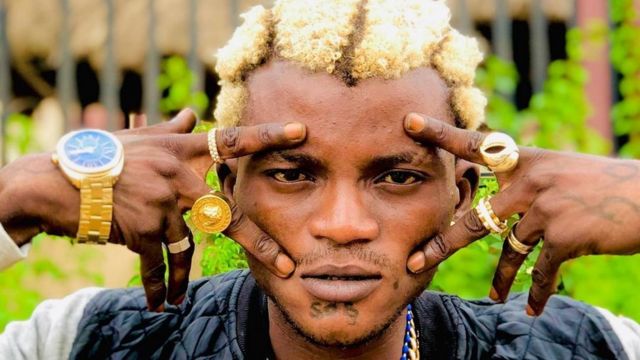
The ongoing battle for the soul of Afrobeat has taken a chaotic turn as street-pop sensation Portable has officially entered the fray. Following a explosive week of digital warfare between Wizkid and Seun Kuti, the “Zazoo Zeh” crooner has declared himself the true heir to Fela Anikulapo-Kuti’s throne. In a viral video that has sent shockwaves through social media, Portable dismissed the claims of his industry peers, insisting that he is the only artist currently living the “Fela lifestyle” of struggle, incarceration, and street-level impact.
Portable’s intervention comes fresh off his release from a one-week stint in detention. The singer was recently remanded in prison following allegations of assault and theft involving his estranged partner. Drawing a direct parallel between his legal troubles and Fela’s legendary battles with the state, Portable questioned Wizkid’s credentials for the “New Fela” title. He mocked the global superstar, asking if he has ever faced the hardship of a prison cell or been “dealt with” by life in the trenches.
According to Portable, being a “Newborn Fela” is not about international streaming numbers or Grammy plaques. He argued that the true essence of the Afrobeat pioneer lay in his sacrifices for the common man and his willingness to confront authority. Portable bragged about his own street credibility, claiming he has fed more hungry people and changed more lives directly than those who claim greatness from the comfort of their mansions. He insisted that while others “fight fan bases,” he is busy surviving the realities of the Nigerian street.
The conflict that triggered this outburst began when Seun Kuti, Fela’s youngest son, took a stand against the “Wizkid FC” fan base. Seun had criticized the habit of comparing modern pop stars to his father, arguing that such parallels diminish Fela’s revolutionary and political legacy. The tension escalated when Wizkid broke his silence, firing back with personal insults and claiming he is “bigger” than the legendary pioneer. This sparked a national debate on whether commercial success can ever be weighed against cultural and political activism.
Seun Kuti has remained firm in his position, asserting that Fela’s impact goes beyond the charts. He specifically called out the lack of originality in the industry, even accusing Wizkid of “stealing” his “Big Bird” nickname. Seun’s argument is rooted in the belief that Afrobeat is a weapon for social change, not just a genre for dancing. He challenged fans to stop using his father’s name as a tool for online supremacy battles, noting that Fela’s legacy continues to provide for his family decades after his passing.
Portable, however, sees the situation differently. He believes his frequent run-ins with the law and his raw, unfiltered connection to the grassroots make him a more authentic representative of Fela’s spirit than the polished superstars in Lagos or London. He challenged his rivals to show their “humanity,” asking how many people they have truly helped without the cameras rolling. To Portable, the title of “Fela” is earned through scars and survival, not just melodies and samples.
The “Newborn Fela” declaration has further polarized an already divided music industry. While some see Portable’s claims as a hilarious distraction, others argue that his proximity to the struggles of the average Nigerian gives him a unique, albeit controversial, perspective. The debate has forced fans to re-examine what “greatness” truly means in the context of Nigerian music: is it the 10 billion streams achieved by Wizkid, or the enduring defiance represented by the Kuti name?
As the “Afrobeats War” continues to trend, it is clear that the shadow of Fela Anikulapo-Kuti still looms large over the industry. Whether it is Seun Kuti defending the family honor, Wizkid asserting his global dominance, or Portable claiming the “Tony Montana” of the streets, everyone wants a piece of the legend. For now, Portable remains the most vocal contender, using his recent prison experience as a badge of honor in his quest for Afrobeat immortality.

