
NEWS
Political Earthquake: Kwankwaso Authorizes Supporters to Join APC
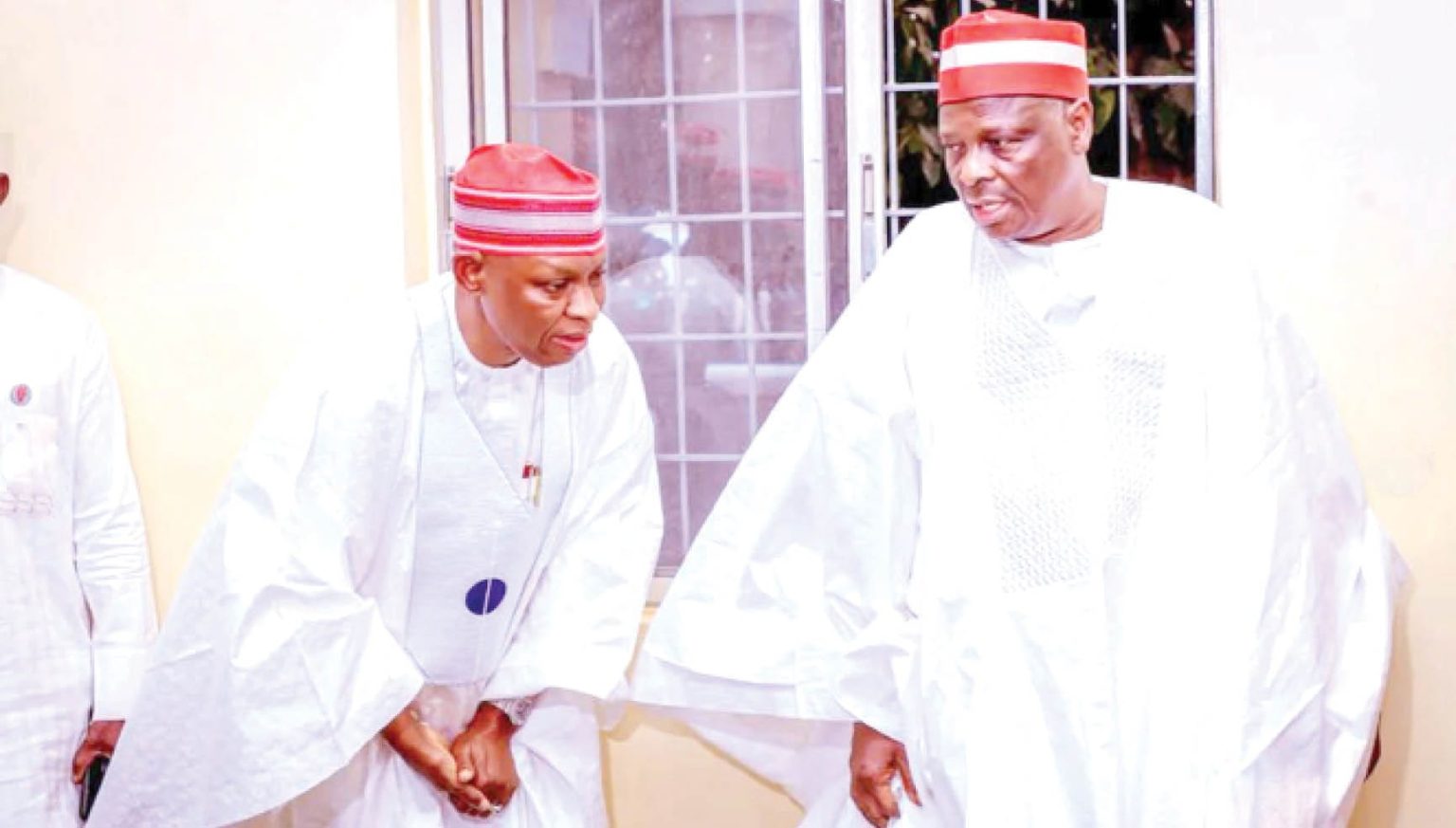
In a stunning political pivot that has sent shockwaves through the heart of northern Nigerian politics, the leader of the New Nigeria People’s Party (NNPP), Senator Rabiu Musa Kwankwaso, has officially sanctioned the defection of his loyalists to the ruling All Progressives Congress (APC). The announcement, delivered via a viral video broadcast on Tuesday, marks a radical departure from the former Governor’s previous stance and signals a deepening fracture within the administration of his protege, Governor Abba Kabir Yusuf. For a man whose “Kwankwasiyya” movement is defined by rigid loyalty and a distinctive red cap, this green-lighting of an exodus to a rival camp is being viewed as a tactical retreat in the face of an internal insurrection.
Kwankwaso’s decision appears to be a direct response to what he described as a “low and disheartening” campaign of coercion by the Kano State Government. He alleged that state officials and newly elected local government chairmen are being forced to choose sides in a bitter struggle between the “Gandujiyya” and “Kwankwasiyya” factions. According to the former governor, the state government has been compelling office holders to sign documents pledging their allegiance, a move he claims is a betrayal of the democratic mandate given to the NNPP by the people of Kano.
The rift between Kwankwaso and Governor Abba Yusuf, which has been simmering for months, has now reached a point of no return. By telling his supporters to “sign any documents given to you for decamping to the APC,” Kwankwaso is effectively de-escalating a situation that had become a source of intense political pressure for his followers. He noted that the persistent disagreements and the hostile atmosphere within the party made it necessary to prioritize the safety and political rights of his members over a prolonged and potentially violent confrontation with the state machinery.
This tactical surrender is not without its complexities. For years, Kwankwaso and the APC—particularly under the national chairmanship of Abdullahi Ganduje—have been at loggerheads, fighting for control of the soul of Kano. By encouraging his people to join the APC, Kwankwaso is either setting the stage for a massive internal takeover of the ruling party in Kano or signaling a temporary truce to protect his loyalists from administrative victimization. He emphasized that he has “no problems” with his followers making the move, a statement that many analysts interpret as a “Trojan Horse” strategy ahead of the 2027 electoral cycle.
The timing of this endorsement is particularly striking, coming just as the NNPP was beginning to consolidate its presence as a formidable third force in Nigerian politics. The loss of a significant portion of its Kano base to the APC could effectively cripple the party’s national ambitions. However, Kwankwaso’s supporters argue that the move is a necessary survival tactic against a state government that has “lost its way.” The former governor’s media aide, Saifullahi Hassan, echoed these sentiments, suggesting that the “red cap” movement remains intact regardless of the official party platform its members temporarily occupy.
Reactions from the Kano State Government have been guarded, but the move undoubtedly places Governor Abba Yusuf in a precarious position. If the majority of his chairmen and officials follow Kwankwaso’s directive and move to the APC, the Governor could find himself leading a government with a fractured assembly and a hostile grassroots structure. The “Gandujiyya” camp within the APC has welcomed the development with cautious optimism, sensing an opportunity to reclaim the political hegemony they lost during the 2023 general elections.
As the dust begins to settle on this bombshell announcement, the immediate focus remains on the “Kano Model” of politics, where loyalty to a personality often outweighs loyalty to a party logo. For the thousands of Kwankwasiyya faithful, the instruction is clear: survive by any means necessary, even if it means wearing the colors of a former enemy. Whether this move leads to a genuine reconciliation between Kwankwaso and the APC leadership or serves as the beginning of a new, more covert form of political warfare remains to be seen.
Ultimately, Kwankwaso’s “free exercise of political rights” declaration has redefined the 2026 political calendar. It serves as a reminder that in the volatile arena of Nigerian power struggles, there are no permanent enemies, only permanent interests. As his loyalists begin the process of cross-carpeting, the political map of Northern Nigeria is being redrawn in real-time, with the red cap movement proving once again that it is the most unpredictable variable in the nation’s democratic equation.


