
BUSINESS
PETROAN Demands Privatization of NNPCL Refineries by Early 2026
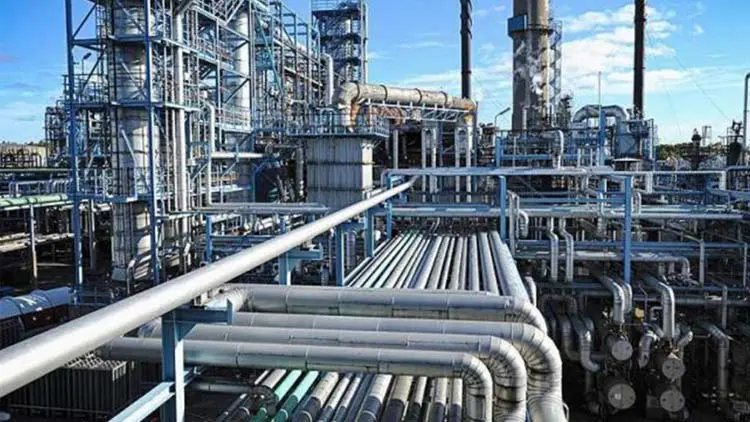
The long-standing debate over the fate of Nigeria’s state-owned refineries has taken a sharp turn as industry stakeholders demand a total exit of government control. The Petroleum Products Retail Outlets Owners Association of Nigeria (PETROAN) has formally called on the Federal Government to sell off the nation’s four troubled refineries by the first quarter of 2026. This move follows years of stagnant production and billions of dollars sunk into endless rehabilitation cycles that have yet to yield significant results.
Speaking on behalf of the association, PETROAN National President Billy Gillis-Harry emphasized that the current model under the Nigerian National Petroleum Company Limited (NNPCL) is no longer sustainable. He argued that the persistent failure of these facilities to reach commercial viability is a direct consequence of public management. For Gillis-Harry, the solution is no longer about fixing the machines but about changing the owners.
The refineries in question—located in Port Harcourt, Warri, and Kaduna—have become symbols of industrial inertia. Despite repeated promises from various administrations and the NNPCL leadership that these plants would roar back to life, the Nigerian market remains heavily reliant on imported petroleum products or private local alternatives. PETROAN believes that only a transparent privatization process can rescue these assets from becoming permanent liabilities.
According to the association, the sheer volume of public funds poured into the “Turn Around Maintenance” (TAM) of these facilities over the last decade has been staggering. Gillis-Harry decried the fiscal waste, noting that the money spent on rehabilitation could have been diverted to other critical sectors if the plants had been sold to private investors years ago. He suggested that private sector-led management is the only remaining path to achieving genuine energy security.
The timing of this demand is particularly sensitive. Nigeria is currently navigating a complex transition in its downstream sector, marked by the removal of fuel subsidies and the emergence of massive private refineries like the Dangote Petroleum Refinery. In this new competitive landscape, the NNPCL’s aging and underperforming assets are struggling to find their footing. PETROAN argues that selling these assets by 2026 would allow them to be modernized and integrated into the market more efficiently.
Industry experts have often pointed out that the bureaucracy inherent in government-run entities often stifles the technical agility required to run a modern refinery. Gillis-Harry’s statement echoed this sentiment, suggesting that waiting for the government to resource further rehabilitation is a strategy for failure. He insists that the private sector possesses the capital, technical expertise, and profit-driven discipline necessary to make the Port Harcourt, Warri, and Kaduna plants productive again.
The NNPCL has not been entirely deaf to these calls. Recent comments from high-ranking officials, including Group Chief Executive Mele Kyari and other executives like Bayo Ojulari, suggest that the government is reconsidering its stance. Ojulari recently hinted that privatization is “not off the table,” especially following a comprehensive review of the facilities. However, PETROAN is pushing for a concrete timeline, specifically citing the first quarter of 2026 as the deadline for a transparent handover.
A sell-off of these assets would represent one of the largest shifts in Nigeria’s economic policy in decades. For years, the refineries have been viewed as “strategic national assets,” a title that critics say has protected them from the accountability of the open market. By calling for their sale, PETROAN is challenging the government to prioritize economic reality over political sentiment.
The association believes that a privatized refinery system would create a more level playing field for retailers. Currently, the volatility of supply often leaves independent marketers at the mercy of shifting NNPCL policies and international price fluctuations. If the state-owned refineries were operated by private entities, PETROAN argues, the resulting competition would lead to more stable pricing and more consistent product availability across the country.
Furthermore, the environmental and social impact of these dormant plants cannot be ignored. Idle refineries still require maintenance staff, security, and administrative overhead, costing the Nigerian taxpayer billions in “running costs” for facilities that produce nothing. Privatization would shift this financial burden from the public purse to private balance sheets, ensuring that the facilities either perform or fold based on market merit.
As the 2026 deadline proposed by PETROAN approaches, the pressure on the Tinubu administration to make a definitive move is mounting. The government must decide whether it will continue to attempt to revive these aging giants with public funds or finally heed the calls of industry players to let the private sector take the wheel. For Gillis-Harry and the members of PETROAN, the choice is clear: sell the refineries now or continue to fund a legacy of failure.


