
Politics
PDP Warns Defecting Governors of ‘Permanent Regret’ in 2027
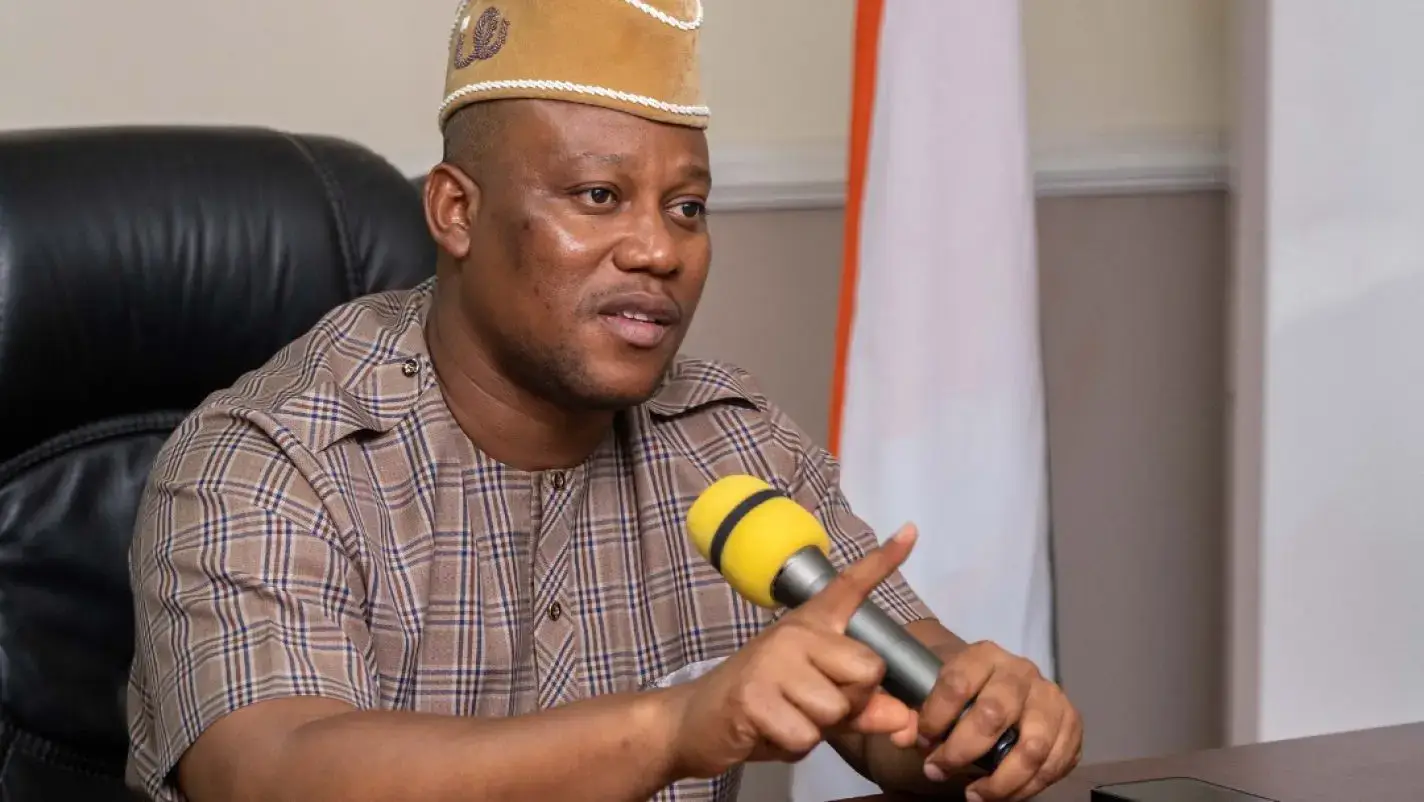
As the 2027 general election cycle begins to loom over Nigeria’s political horizon, the Peoples Democratic Party (PDP) has issued a stinging rebuke to its high-ranking members who have recently abandoned the party. During a high-profile appearance on Channels Television’s The Morning Brief this Friday, the party’s National Publicity Secretary, Ini Ememobong, delivered a somber prophecy for those switching allegiances. He asserted that the governors currently fleeing the PDP will face “permanent regret” once the 2027 results are tallied, serving as a bitter reminder that political principles should outweigh short-term convenience.
Ememobong’s comments come at a particularly turbulent time for the main opposition party, which has been hit by a wave of high-profile exits, including the recent defection of Plateau State Governor Caleb Mutfwang to the All Progressives Congress (APC). While the PDP’s National Working Committee acknowledges the internal fractures that have spurred these departures, Ememobong argued that the defectors are effectively running away from fires they helped ignite. He noted that as long-standing leaders within the party, these governors were not merely witnesses to the PDP’s crises but were active participants in the decisions that shaped them.
Addressing the defectors’ tendency to blame the party’s internal turmoil for their exit, the spokesman used a pointed analogy of accountability. He remarked that when a leader points a finger at the PDP’s problems, they invariably have “four fingers pointing back” at themselves. His argument is that the crises currently rocking the party are human-caused, and those who held the levers of power during these periods cannot logically extricate themselves from the responsibility. To Ememobong, claiming the party is “problematic” is an admission that the defecting leaders are themselves part of that problem.
The PDP spokesman further suggested that those leaving the party for the ruling APC or other coalitions are simply “exporting” their divisive habits to their new political homes. He characterized the current trend of defections as a “matter of convenience” rather than a genuine search for a better governance platform. By moving to the “center” under the guise of attracting federal benefits to their states, Ememobong believes these governors are trading long-term democratic integrity for temporary political survival—a trade he insists will backfire when the electorate eventually renders its verdict.
The interview also touched on the broader perception of the PDP as a depleting force. With the party now left with only four governors following Mutfwang’s exit, the pressure to reorganize is immense. However, Ememobong remained defiant, suggesting that 2026 would be a “definitional year” for the party’s resurgence. He believes that once the various legal battles regarding the party’s leadership are settled in the higher courts, the PDP will emerge with a clearer, more robust strategy to contend with the APC’s dominant majority.
For the PDP’s remaining leadership, the current wave of defections is seen as a shedding of “fair-weather” members. Ememobong’s warning is clear: the grassroots and the core electorate value steadfastness over opportunism. He argued that the political history of Nigeria is littered with the remnants of those who abandoned their platforms in search of greener pastures, only to find themselves marginalized in their new parties. The “regret” he predicts for 2027 is rooted in the belief that voters will ultimately reward those who stayed to fix the “house” rather than those who sought shelter elsewhere.
As the political landscape continues to shift, the PDP is attempting to frame its current struggles as a necessary phase of purification. By calling out the defecting governors, the party is hoping to stem the tide of further exits and rally its remaining base around the concept of principled opposition. Whether this “prophecy of regret” will come to pass remains to be seen, but for now, the PDP is doubling down on its message that in the long game of Nigerian politics, loyalty is a more valuable currency than immediate proximity to the seat of power.


