
Politics
PDP Strategizes for 2027: A New Frontier of Alliances
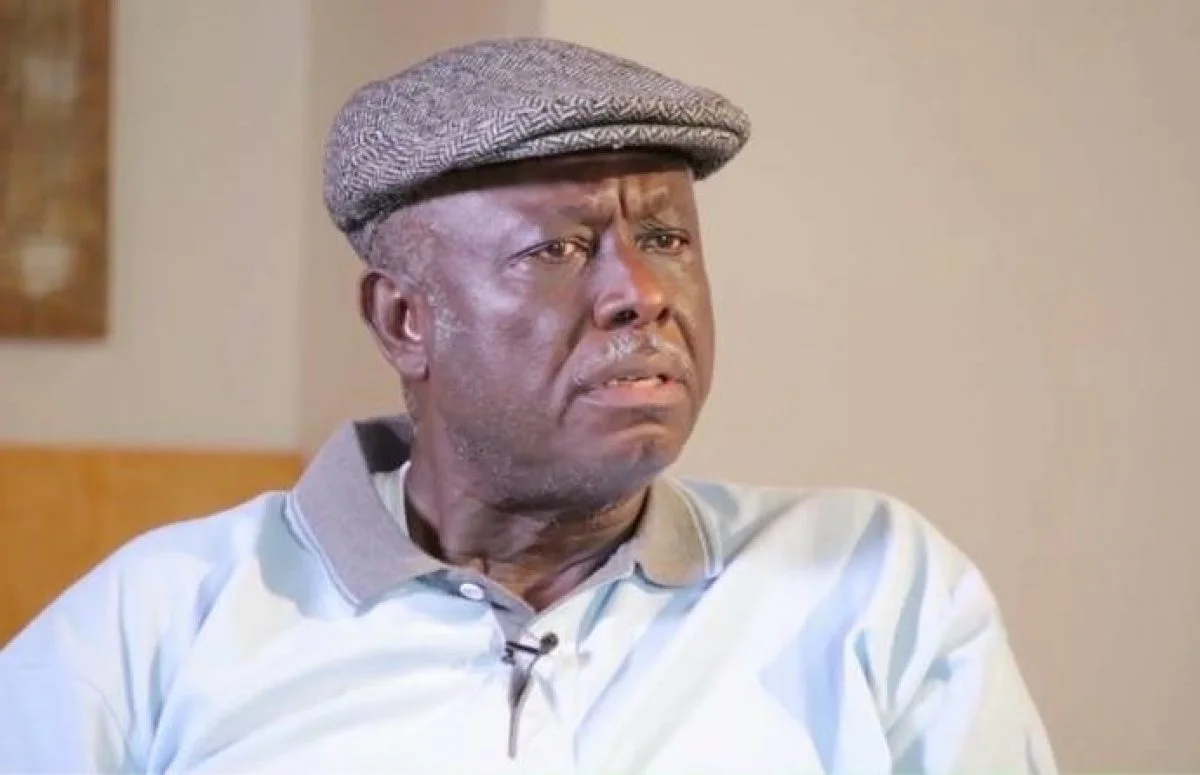
The Peoples Democratic Party is charting a deliberate path toward the 2027 general elections by initiating high-level diplomatic reconciliations aimed at unifying the nation’s opposition. In a move that signals a significant shift in political alignment, the party’s South-South Zone Chairman, Emma Ogidi, has confirmed advanced plans to hold strategic meetings with the Labour Party’s Peter Obi and former Vice-President Atiku Abubakar. This development comes as the PDP seeks to consolidate its base and reclaim its position as the primary alternative to the ruling All Progressives Congress.
Speaking on Channels Television’s “The Morning Brief,” Ogidi articulated a vision of a “big tent” approach to opposition politics. He revealed that the party’s leadership is currently engaged in a nationwide consultative tour, having already secured audiences with influential elder statesmen and former presidents, including Olusegun Obasanjo and Ibrahim Babangida. These visits, according to the party chieftain, are not merely symbolic but are designed to send a clear message to the Nigerian electorate that the PDP remains a vibrant and evolving political force.
The inclusion of Peter Obi in this outreach is particularly poignant. Obi’s departure from the PDP prior to the 2023 elections fractured the opposition vote, a reality that the party’s current leadership seems keen to rectify. By reaching out to both Obi and the party’s own 2023 standard-bearer, Atiku Abubakar, the PDP is attempting to mend the internal and external rifts that have historically hindered its electoral success. Ogidi’s comments suggest that the party views these figures as essential pillars in building a formidable coalition capable of challenging the status quo.
Beyond the pursuit of political heavyweights, the PDP is also focusing on its foundational roots. Ogidi highlighted the importance of re-engaging with original members, religious leaders, and traditional rulers. This broad-based consultation, which gained momentum following the National Working Committee’s recent activities in Ibadan, aims to tap into the moral and social fabric of the country. The party appears to be betting on the idea that a successful comeback requires more than just political deals; it requires a renewed sense of legitimacy among the country’s diverse power centers.
Ogidi took a firm stance against the current administration, describing the APC as an “aberration” in Nigeria’s democratic journey. He argued that the ruling party has failed to provide meaningful governance, leaving a vacuum that the PDP is eager to fill. By framing the PDP as the only political entity that has maintained its original identity, logo, and vision since the dawn of the Fourth Republic, Ogidi is attempting to position the party as a symbol of consistency and democratic resilience in a volatile political landscape.
The strategy moving forward appears to be one of active comparison. The party chieftain emphasized that the PDP’s current mission is to remind Nigerians of the relative economic and social stability experienced during its sixteen-year tenure. This nostalgic appeal is being used as a tool to highlight what the party perceives as the shortcomings of the APC-led government. Ogidi’s rhetoric suggests that the PDP is no longer on the defensive but is actively constructing a narrative of “proven governance” versus “current failure.”
The logistical rollout of this plan involves a systematic “going around” of the country to reassure citizens that the party is “alive and moving.” The recent NWC inauguration in Oyo State served as a launchpad for this movement, providing the leadership with the momentum to engage with critical stakeholders. Ogidi noted that the party is not just looking for endorsements but is seeking to rebuild a collective vision for Nigeria that includes every segment of society.
As the political atmosphere begins to intensify years before the next ballot, the PDP’s overtures to Obi and Atiku could redefine the opposition’s architecture. The success of this initiative will likely depend on whether these leaders can find common ground and if the PDP can effectively manage the competing interests within its own ranks. For now, the party’s message is clear: it is ready to negotiate, reconcile, and reorganize in its pursuit of power in 2027.