
BUSINESS
Otedola Tightens Grip on FirstHoldCo with N14.8bn Surge
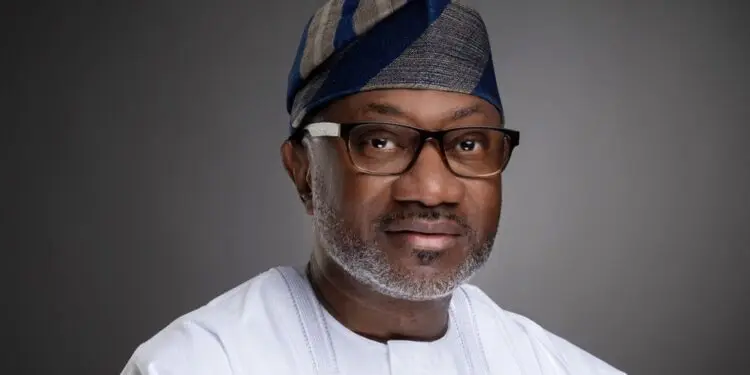
Billionaire tycoon Femi Otedola has decisively bolstered his dominance within the boardroom of FirstHoldCo Plc, the parent entity of First Bank of Nigeria, following a massive N14.8 billion equity acquisition. The move, which was officially made public in a regulatory filing with the Nigerian Exchange Group (NGX) on Thursday, signals a clear intent by the veteran investor to consolidate his influence over one of the continent’s most storied financial institutions.
This latest transaction was funneled through Calvados Global Services Limited, a strategic investment vehicle closely tied to Otedola’s portfolio. According to the notice signed by the Group Company Secretary, Abiola Baruwa, Otedola snapped up exactly 369,986,122 shares during the trading session on December 18. Each share was valued at N40.06, representing a significant premium and a vote of confidence in the bank’s future valuation.
With this purchase, Otedola’s total stake in the financial holding giant has surged past the 17% mark, a formidable position that places him leagues ahead of other substantial shareholders. Market analysts suggest that this aggressive accumulation is part of a broader strategy to ensure long-term stability and institutional alignment at First Bank, which has seen its share of board-level friction in recent years.
The timing of the acquisition is particularly noteworthy, coming just months after a similar spending spree. On September 25, 2025, the billionaire had expanded his holdings with a N2.01 billion investment, acquiring 64.87 million shares. At that time, the bank revealed that the purchases were split between direct acquisitions and indirect ones made through Calvados, bringing his stake to 16.1% from the 13.15% recorded the previous year.
Otedola’s persistent interest in FirstHoldCo has become a defining narrative for the Nigerian capital market in 2025. His entry as a major shareholder in 2021 sparked a “shareholder war” that eventually led to a total restructuring of the bank’s leadership. Now serving as the Chairman of the Board, Otedola is no longer just an outside investor; he is the architect of the bank’s current transformation phase.
The billionaire’s approach to FirstHoldCo reflects his typical investment philosophy: identifying undervalued heritage brands and injecting both capital and governance reforms to unlock value. By increasing his stake to 17%, he has effectively raised the barrier for any hostile takeover attempts and ensured that his vision for a modernized, tech-driven First Bank remains the primary agenda.
Investors and market spectators have reacted to the news with a mix of curiosity and optimism. The share price of FirstHoldCo has shown resilience amid Otedola’s buying streaks, often interpreted as a signal of internal strength. For institutional investors, having a chairman who is willing to put billions of his own capital back into the firm serves as a powerful endorsement of the bank’s solvency and growth prospects.
Furthermore, this N14.8 billion injection provides a psychological floor for the stock price at the N40 mark. In an economy currently grappling with inflationary pressures and currency fluctuations, such high-volume domestic investment by a local billionaire is seen as a stabilizing force for the Nigerian banking sector at large. It reinforces the idea that domestic capital is ready to take the lead in anchoring the nation’s financial pillars.
As the year draws to a close, Otedola’s position as the undisputed kingmaker of First Bank is secure. The market is now looking forward to the next annual general meeting to see how this increased equity translates into new strategic directives. Whether Otedola will stop at 17% or push toward a twenty-percent “super-majority” remains the multi-billion-naira question on the lips of every trader on the Lagos floor.
The narrative of FirstHoldCo continues to evolve from a traditional banking story into a case study on corporate governance and the power of individual capital. Otedola’s journey from a minority entrant to a 17% stakeholder is not just about the numbers; it is about the changing face of Nigerian banking, where the old guard and new-age billionaire visionaries are locked in a dance for the future of the nation’s wealth.