
Politics
Opposition Slams Tinubu Over $9 Million U.S. Lobbying Pact
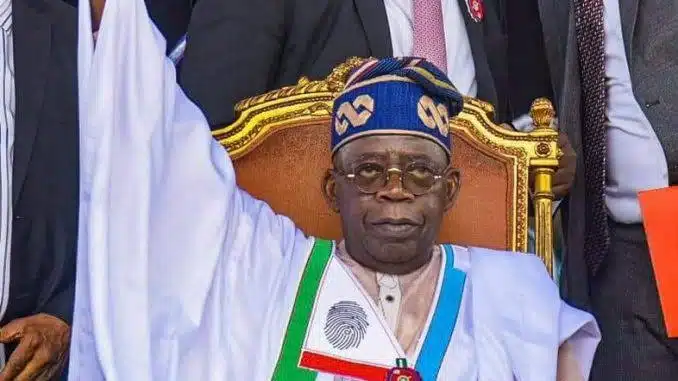
The African Democratic Congress (ADC) has launched a scathing critique of the President Bola Ahmed Tinubu administration, labeling a reported $9 million contract for lobbying services in the United States as “scandalous and indefensible.” In a sharply worded statement that highlights the growing friction between the presidency and opposition parties, the ADC characterized the move as a profound betrayal of the Nigerian people amid a domestic climate of economic despair and relentless insecurity.
The controversy centers on allegations that the Federal Government has committed a massive sum of public funds to engage American lobbyists to burnish its international reputation. Mallam Bolaji Abdullahi, the ADC’s National Publicity Secretary, argued on Tuesday that the expenditure is a glaring example of misplaced priorities. The party contends that while the government is focused on managing its image in Washington, millions of Nigerians are currently unable to afford the most basic necessities, including food and fuel.
According to the ADC, the timing of this financial commitment is particularly galling given the casualty rates associated with the country’s security crises. The party maintains that the resources being funneled into foreign public relations firms would be far more effective if directed toward the front lines of the fight against insurgency or toward social safety nets for the vulnerable. The statement asserted that no previous African administration has committed such an exorbitant amount to a short-term image-laundering exercise.
The opposition further argued that the reliance on foreign lobbyists is a tacit admission of the government’s own diplomatic failures. The ADC pointed out that the Tinubu administration has left several key ambassadorial positions vacant across the globe. By outsourcing diplomacy to private entities in the U.S., the party claims the government is undermining Nigeria’s institutional credibility and reducing serious foreign policy to the level of transactional propaganda.
Beyond the financial implications, the ADC raised serious concerns regarding the thematic focus of the reported lobbying efforts. The party took particular issue with reports suggesting the campaign is framed around “Christian protection efforts.” The opposition warned that such a narrow, selective messaging strategy risks inflaming sectarian tensions in a nation already grappling with delicate ethnic and religious fault lines. Security, the ADC insists, is a universal right that should be addressed through governance rather than religious-themed PR.
The critique also dismissed the effectiveness of the lobbying deal, suggesting that no amount of professional spin can mask the reality of the violence and instability currently affecting Nigerian soil. The party argued that international perceptions of Nigeria are shaped by the lived reality of its citizens rather than the narratives crafted in the boardrooms of Washington-based firms. For the ADC, the “blood of thousands” killed in various conflicts cannot be washed away by high-priced media campaigns.
Economic hardship served as a major pillar of the ADC’s condemnation. With inflation at historic highs and the cost of living pushing more Nigerians below the poverty line, the party described the $9 million deal as “moral blindness.” They urged the administration to reconsider its spending habits, suggesting that the trust of the international community is earned through domestic stability and economic growth, not through paid advocacy in foreign capitals.
The statement concluded with a call for leadership over propaganda. The ADC emphasized that the primary responsibility of any government is the protection of lives and property. By prioritizing its global image over its domestic duties, the party claims the current administration is failing its most basic mandate. The opposition insists that public funds must be diverted back into state institutions that can actually restore peace and provide relief to the suffering populace.
This latest political firestorm adds to the challenges facing the Tinubu administration as it attempts to navigate a complex web of domestic criticism and international expectations. As the opposition intensifies its scrutiny of government spending, the debate over the “cost of image” versus the “cost of living” is likely to remain at the forefront of the national conversation. For now, the ADC has made its position clear: Nigeria needs a coherent strategy for survival, not a $9 million makeover.


