
NEWS
Ohanaeze Pledges 2031 Support to Tinubu, Seeks Faster Southeast Infrastructure
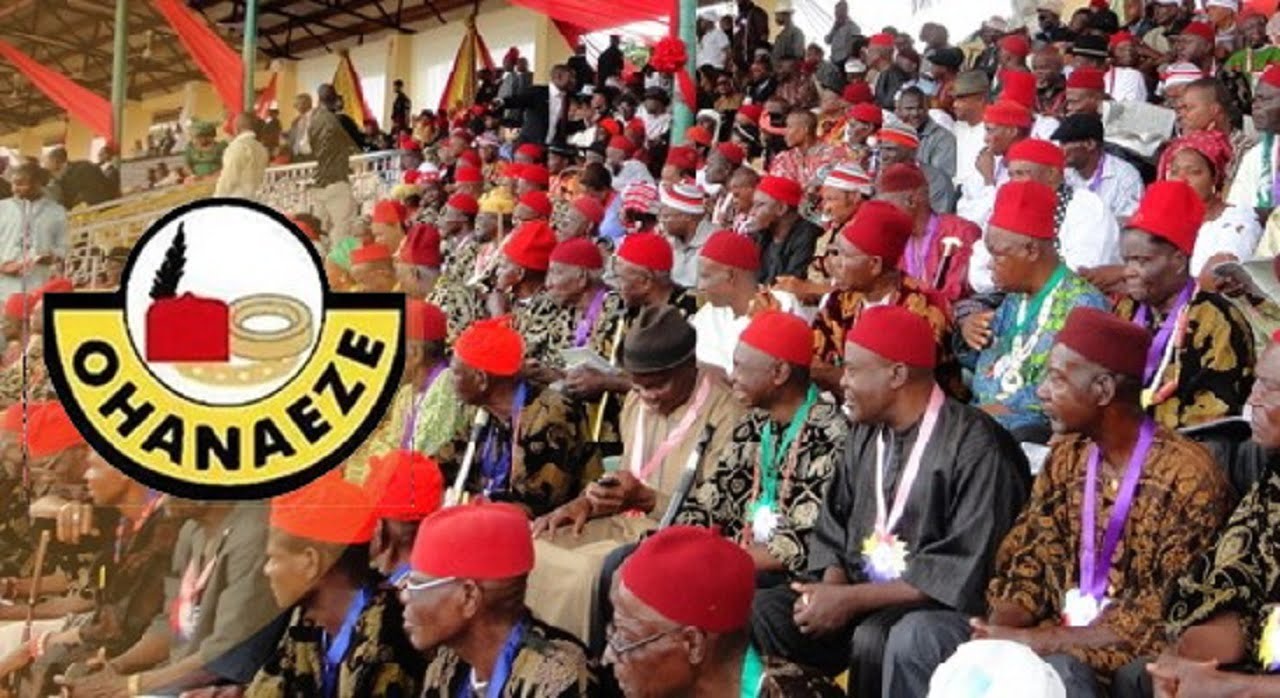
The apex Igbo socio-cultural organization, Ohanaeze Ndigbo, has officially thrown its weight behind President Bola Tinubu’s political future, pledging an unprecedented commitment to his administration through 2031. In a statement that signals a major realignment in the nation’s political landscape, the group declared that the Southeast remains steadfast in its support, provided the federal government expedites the completion of critical infrastructure projects within the zone before the 2027 electoral cycle begins.
Central to this new-found synergy is the performance of the Minister of Works, Engr. David Umahi, whom Ohanaeze hailed as a transformative figure in public service. The group noted that the recent temporary opening of the Lagos-Calabar Coastal Highway on December 12, 2025, served as a tangible testament to the administration’s efficiency. By opening this corridor for the festive season, the government has provided substantial relief to millions of commuters, particularly those navigating the high-traffic Lagos axis.
The organization expressed deep gratitude to President Tinubu for breaking a 74-year jinx by appointing an Igbo professional to lead the Ministry of Works. They pointed out that since 1951, no individual from the Southeast had held this specific portfolio until Umahi’s appointment. This move, according to the group, is a significant gesture of inclusion that has resonated deeply with the Igbo people and restored a sense of belonging within the federal structure.
Mazi Okechukwu Isiguzoro, the factional Deputy President-General, along with National Spokesperson Chief Chinenyeze Ohia, emphasized that the region’s loyalty is now visible across all levels of leadership. For the first time since 2015, all five Southeast Governors and the five ministers from the region are reportedly standing in a unified front behind the President’s re-election ambitions. This rare internal cohesion among the Igbo political class is seen as a strategic play to ensure the region’s interests are prioritized at the center.
Transparency in governance was also highlighted as a hallmark of the 2025 fiscal year. Ohanaeze commended the administration’s proactive stance in utilizing anti-graft agencies like the EFCC and the ICPC to audit financial transactions and contractor performances. This rigorous oversight has ensured that taxpayers’ money is being utilized effectively, with timely payments to contractors being balanced against strict adherence to project timelines and quality specifications.
As the nation looks toward 2026, the socio-cultural body urged the Federal Government to further democratize the construction industry. They called for a level playing field where local Nigerian contractors can compete fairly with foreign firms. By empowering indigenous engineering talent, the group argues that the government can stimulate the local economy while ensuring that the technical expertise remains within the country’s borders.
Infrastructure remains the primary currency of this political pact. Ohanaeze acknowledged the N1.5 trillion investment already directed toward road projects in the Southeast, describing it as an act of “unparalleled benevolence” from the President. However, they maintained that the pace of work must be sustained to ensure that the many ongoing projects do not become abandoned monuments but functional assets that drive regional commerce and connectivity.
The group’s endorsement through 2031 suggests a long-term vision that transcends the immediate 2027 contest. By aligning with the presidency now, Ohanaeze seeks to position the Southeast as a reliable partner in national development rather than an opposition stronghold. This shift is expected to influence voting patterns significantly, as the organization wields considerable moral and social authority over the Igbo electorate both at home and in the diaspora.
Ultimately, the message from the Southeast is one of partnership based on performance. The organization believes that the “Umahi model” of project delivery—characterized by frequent field inspections and community town hall meetings—should be the standard for all federal interventions. As the countdown to the next election begins, the completion of Southeast projects will likely serve as the ultimate barometer for the strength of this political marriage.


