
Politics
Obi Decries Political Greed Amid Mass Poverty
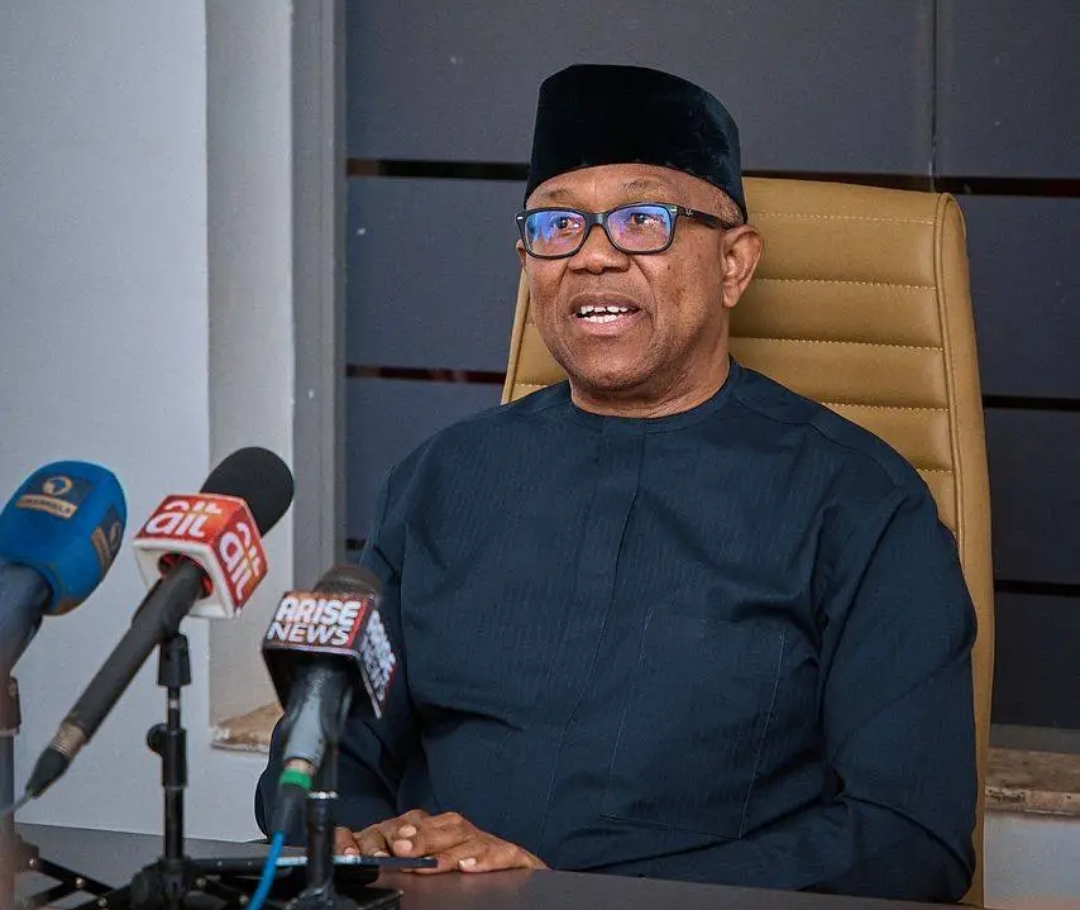
The stark contrast between the political theater in Abuja and the desperate reality of Nigerian households has once again been thrust into the spotlight. Former presidential candidate Peter Obi has delivered a stinging rebuke of the nation’s political class, accusing leaders of “scrambling for positions” while a staggering 141 million citizens slip into the abyss of poverty. In a series of pointed reflections, Obi highlighted a national emergency that many in power seem content to ignore: the projected reality that by the end of 2026, 62% of Nigerians will be unable to meet their basic needs.
Obi’s critique is anchored in grim data from the World Bank and the latest PwC “Nigeria Economic Outlook 2026.” The numbers tell a story of rapid regression. In 2019, roughly 81 million Nigerians were classified as living in poverty. By 2025, that figure had surged to 139 million. The trajectory suggests that an additional 26 million people will have been thrust into hardship between 2023 and 2026 alone. For Obi, these are not just statistics; they represent a “blatant threat to our future” that is being met with a “time for complacency” by those vying for party control.
The economic landscape described is one where macroeconomic stability has failed to translate into tangible relief for the common man. While the government speaks of stabilization, the reality for low-income households is a brutal “consumer dilemma.” With food accounting for up to 70% of total spending for the poor, the persistent sting of energy costs, logistics bottlenecks, and exchange-rate fluctuations has effectively wiped out any modest income growth. The result is a cycle of shrinking purchasing power that threatens to unravel the very fabric of public finance and human capital.
Perhaps the most indicting part of Obi’s message is the comparison to global peers. He pointed to India and Indonesia as evidence that mass poverty is not an inescapable destiny. Since the year 2000, India has successfully slashed its extreme poverty rate from nearly 40% to a remarkable 5.3%. Indonesia followed a similar path, dropping from 30% to roughly 8%. In that same window, Nigeria moved in the opposite direction, watching its poverty rate climb from 40% to the current distressing 62%. These nations succeeded through “unwavering investments” in education and health—areas Obi argues Nigeria has neglected in favor of political maneuvering.
The former governor’s alarm is also a call for a radical shift in national priorities. He maintains that structural reforms are no longer a matter of policy preference but a survival imperative. Large-scale job creation, productivity growth, and robust social protection programs are the only tools capable of stemming the tide. For Obi, the “harsh truth” is that a child born in Nigeria today faces one of the highest risks of poverty in the world, a reality that should trigger national shame rather than the typical political scramble for “sharing posts” before elections are even concluded.
As the political machinery begins to grind toward the next election cycle, Obi’s intervention serves as a reminder of the human cost of governance failures. The “Nigeria Economic Outlook 2026” report title, “Turning Macroeconomic Stability into Sustainable Growth,” remains an aspirational goal rather than a reality for the 141 million people at the bottom of the pyramid. Until the “stark contrast” between political ambition and the lived experience of the average Nigerian is addressed, the nation remains on a perilous path. The time for structural reform, Obi insists, has long since passed; the only question left is whether the political class is even listening.


