
Politics
NNPP Declares Dominance in Kano Ahead of 2027 Amid Defection Rumors
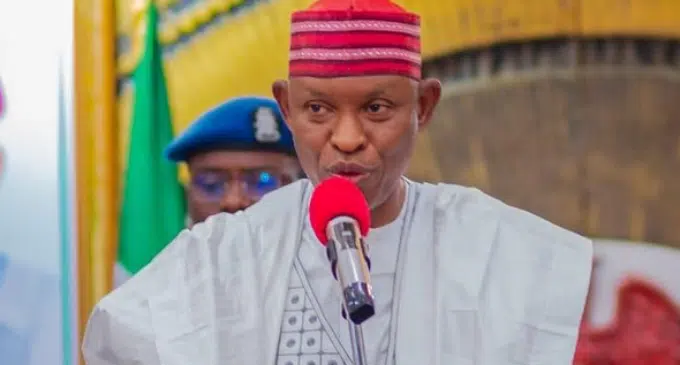
The political landscape of Kano State is witnessing a seismic shift in rhetoric as the New Nigeria Peoples Party (NNPP) asserts its absolute confidence in retaining power during the 2027 general elections. In a bold declaration that has sent ripples through the Nigerian political corridors, party stalwart Ladipo Johnson has dismissed the potential exit of Governor Abba Kabir Yusuf as a non-factor in the party’s future success. This development comes at a time when the “Cradle of Northern Politics” is embroiled in intense speculation regarding the governor’s loyalty and his recent high-profile engagements with the presidency.
Speaking on a national broadcast on Tuesday, Johnson articulated a position that many observers view as a display of immense grassroots confidence. He argued that the NNPP’s strength in Kano is not tied to the incumbency of a single individual but is rooted in a deep-seated connection with the electorate. The party chieftain reminded political analysts that the NNPP managed to dismantle established power structures in 2023 without holding a single local government seat or legislative position prior to the polls. This “outsider” victory remains the cornerstone of the party’s belief that it can repeat the feat regardless of who occupies the Government House.
The backdrop to this defiance is the persistent rumor that Governor Yusuf may be preparing to jump ship to the All Progressives Congress (APC). These whispers reached a fever pitch following a recent private meeting between the Governor and President Bola Ahmed Tinubu at the State House in Abuja. In the volatile world of Nigerian politics, such meetings are rarely viewed as purely administrative. Many see it as a strategic alignment or a precursor to a formal defection, especially as the APC seeks to reclaim its lost glory in Nigeria’s most populous northern state.
However, Johnson remains unfazed by the optics of the Abuja visit. He pointed to the historical resilience of the party, referencing the 2019 and 2023 election cycles where the NNPP, and its ideological precursors, faced off against the formidable machinery of the APC. According to him, the party won the hearts of Kano residents while being in the opposition, proving that their mandate comes from the streets rather than the state’s coffers. He noted that while it might sound bold, the party is prepared to win in 2027 with or without the sitting governor on their ticket.
Addressing the controversy surrounding the Governor’s visit to the President, the state government has been quick to offer a different narrative. Sunusi Bature, the spokesperson for Governor Yusuf, issued a clarifying statement aimed at dousing the political fire. He maintained that the discussions between the Governor and President Tinubu were centered strictly on the deteriorating security situation in certain parts of Kano. Specifically, the Governor sought federal intervention following the horrific murder of a housewife and her children, an incident that has sparked local outrage and highlighted the need for better synergy between state and federal security agencies.
Despite these official denials, the political atmosphere in Kano remains electric. The NNPP’s internal conviction suggests a party that is building a legacy beyond individual personalities. This is a significant departure from the traditional “godfatherism” that often dictates the pace of Nigerian elections. By claiming that the party is bigger than its highest-ranking officeholder, the NNPP is signaling to the APC and other rivals that their structure is immune to the usual shocks of high-profile defections.
The 2023 victory of Abba Kabir Yusuf over the APC’s Yusuf Gawuna was a watershed moment in Kano’s history, marking the end of the Ganduje era. It was a victory fueled by the “Kwankwasiyya” movement, a disciplined and highly organized political force led by former Governor Rabiu Musa Kwankwaso. The NNPP believes that this movement remains the true heartbeat of Kano politics. For the party leadership, the red cap revolution is not about the man wearing the crown, but the ideology that put him there.
As the countdown to 2027 begins, the strategic importance of Kano cannot be overstated. With its massive voting population, the state remains the ultimate prize for any party with national ambitions. The APC is undoubtedly keen on bringing the state back into the fold of the ruling party, and a defection by Yusuf would be a major tactical win. Yet, the NNPP’s current stance suggests they are ready for a “scorched earth” political battle, confident that the voters will remain loyal to the party symbol even if the candidate changes.
The coming months will likely reveal whether Governor Yusuf’s official engagements are indeed a prelude to a political realignment or if they are merely the necessary interactions of a state executive with the center. For now, the NNPP has drawn a line in the sand, declaring that their path to victory in 2027 is already paved by the masses. Whether this confidence is a calculated psychological play or a reflection of true grassroots invincibility will be the defining question of Kano’s political future.


