
NEWS
Nigeria Honors Fallen Heroes and Military Leaders
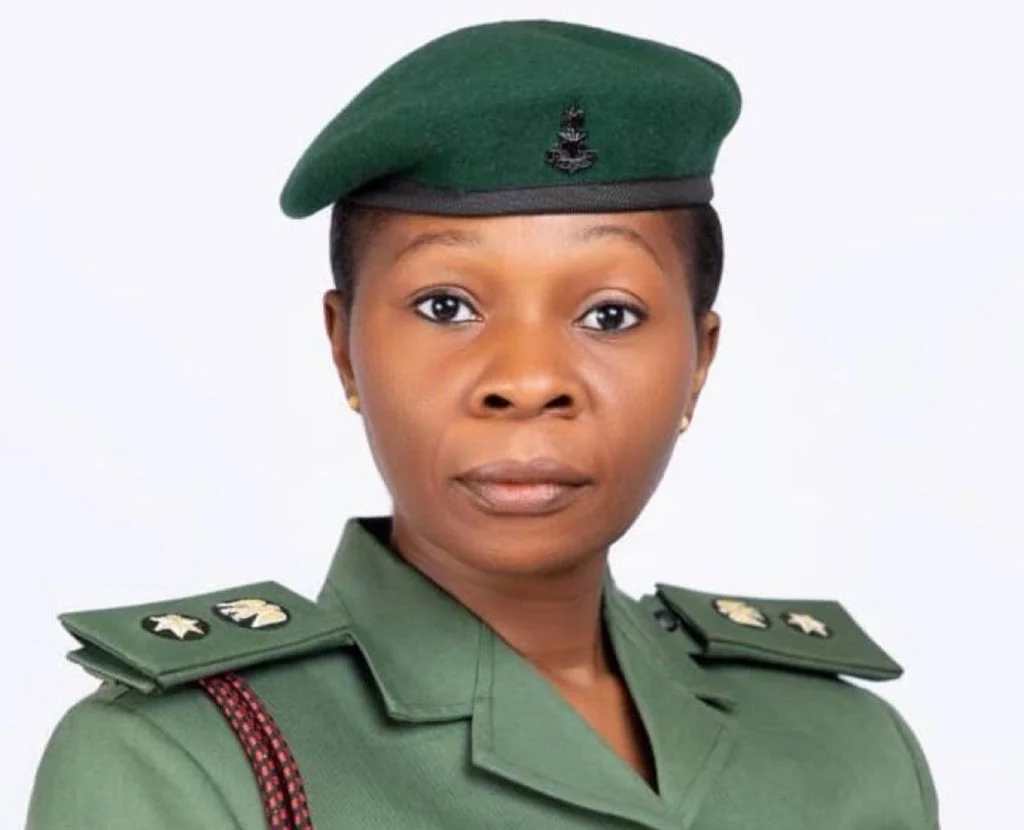
In a poignant evening marked by solemnity and high military honors, the Federal Government of Nigeria utilized the 2026 Armed Forces Celebration and Remembrance Day Gala Night to recognize the ultimate sacrifices and strategic brilliance of its military personnel. The event, held at the State House Banquet Hall in Abuja, served as a powerful reminder of the human cost and the professional dedication required to maintain the nation’s sovereign integrity.
At the heart of the ceremony was the posthumous recognition of Brigadier General Musa Uba, a name that has become synonymous with frontline leadership and valor. General Uba was conferred with the Gallantry Award, a distinction reserved for those who demonstrate exceptional courage in the face of imminent danger. The citation for his award painted a picture of a commander who refused to lead from the rear, instead choosing to stand alongside his troops in the volatile terrains of Borno State.
The tragedy of General Uba’s passing in November 2025 remains fresh in the memory of the Nigerian Army. He was killed during a sophisticated terrorist ambush near Wajiroko while overseeing the transportation of vital military hardware. His death underscored the persistent risks faced by high-ranking officers who personally supervise counter-insurgency operations. By honoring him posthumously, the government signaled that the nation does not forget those who fall while defending its people.
The gala night also served as a platform to celebrate the current leadership of the Nigerian Army. Lieutenant General Waidi Shaibu, the Chief of Army Staff, was presented with the Service and Sacrifice Award. This recognition was attributed to his decisive reforms in internal security and his steady hand in directing multi-theatre operations. Under his leadership, the military has seen a shift toward more integrated and intelligence-driven strategies to combat unconventional threats.
Joining the Chief of Army Staff in the category of operational excellence were Major General Abdulsalami Enesi Abubakar and Major General Faruk Mijinyawa. Both officers were lauded for their roles in high-stakes environments, with Abubakar leading the critical Operation HADIN KAI and Mijinyawa previously commanding the 81 Division in Lagos. Their awards highlight the importance of operational continuity and the heavy burden of command in maintaining regional stability.
Innovation within the military was not overlooked, proving that the modern Nigerian soldier is as much a thinker as a fighter. Colonel Ibrahim Mohammed Gero received a specialized award for his technical contributions, specifically the development of a redesigned ballistic gunboat. This locally adapted hardware has already seen deployment in the Niger Delta under Operation DELTA SAFE, showcasing a push toward indigenous military technology and self-reliance.
The ceremony also paid tribute to the silent but vital world of military intelligence. The late Colonel B. Umaru was posthumously honored for his excellence in Intelligence, Surveillance, and Reconnaissance. His work behind the scenes was credited with providing the tactical clarity needed for successful missions in the North-East. Similarly, Lieutenant Colonel Thomas Ebisingha Alari was remembered with the Fallen Heroes Award for his significant impact on counter-terrorism efforts before his own passing.
The government extended its gratitude to the veteran community, acknowledging that the foundations of today’s military were laid by the leaders of yesterday. Former Chief of Army Staff, Lieutenant General Tukur Yusuf Buratai (retd.), was honored with the Legacy Award. The recognition touched upon his six-year tenure at the helm of the Army, his subsequent diplomatic service as an ambassador, and the sweeping military reforms he initiated during some of the most challenging years of the insurgency.
Representing President Bola Ahmed Tinubu, the Minister of Information and National Orientation, Mohammed Idris, delivered a message that emphasized the military’s role as the “guardians of democracy.” He urged the Armed Forces to remain a united and loyal front, especially as the nation navigates complex security landscapes. The President’s message was one of deep appreciation, framing the military not just as a defense force, but as a pillar of national identity.
In a move to bridge the gap between the military and the civilian population, two new national initiatives were unveiled: the “Thank-A-Soldier Electronic Wall” and the “My Nigerian Hero Campaign.” These digital and social platforms are designed to foster a culture of public gratitude, allowing everyday citizens to express their support for those in uniform. The goal is to ensure that the appreciation for soldiers extends beyond formal gala nights into the daily consciousness of the Nigerian public.
The 2026 Remembrance Day celebrations arrive at a time when the Nigerian military is increasingly called upon to provide both external defense and internal policing. The breadth of the awards presented—covering everything from frontline combat to technological innovation and diplomatic legacy—reflects the multi-faceted nature of modern warfare. It acknowledges that victory is won not only through firepower but through the ingenuity of colonels and the sacrifice of generals.
As the evening concluded, the resonance of the National Anthem served as a reminder of the shared mission between the government and its protectors. The honors bestowed upon the late General Uba and his colleagues serve as both a memorial for the dead and an inspiration for the living. In the hallowed halls of the State House, the message was clear: the debt owed to those who guard Nigeria’s sovereignty is one that the nation intends to pay with honor, recognition, and eternal remembrance.


