
World News
Netanyahu Sounds Alarm Over Christian Exodus From Bethlehem in Festive Address
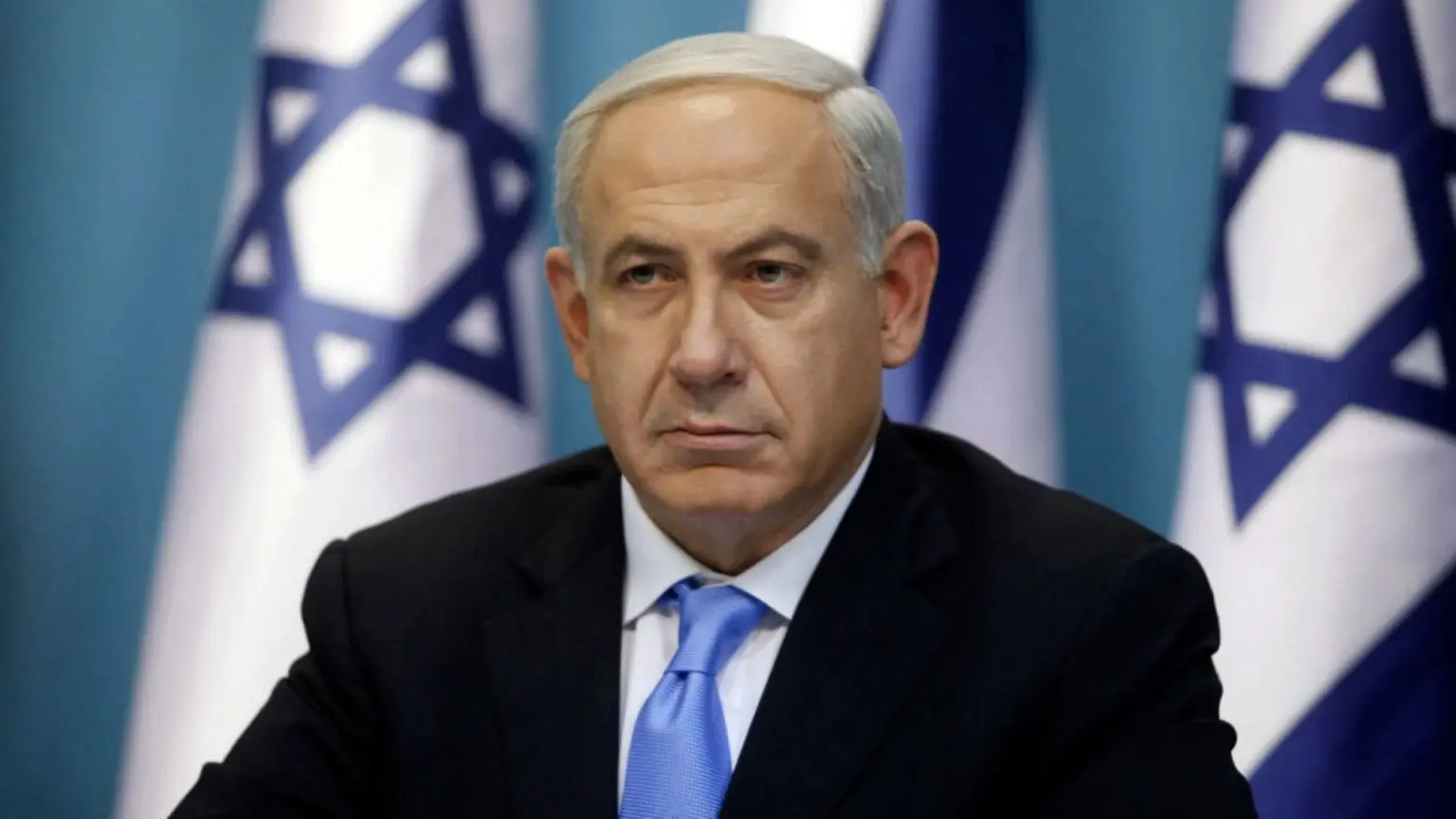
In a stark and politically charged Christmas broadcast, Israeli Prime Minister Benjamin Netanyahu has turned a global spotlight on the shrinking Christian presence in the Middle East, specifically citing Bethlehem as a primary example of demographic decline. Speaking on Wednesday, the Prime Minister utilized his annual festive message to draw a sharp contrast between the treatment of religious minorities under Israeli jurisdiction and those living under the Palestinian Authority.
Netanyahu centered his argument on the historical shifts within the city widely revered as the birthplace of Jesus. He recalled a period when Bethlehem boasted a Christian majority of approximately 80 percent while under Israeli administration. Since the transfer of the city to the Palestinian Authority, he decried a dramatic reversal, stating that the population of the faithful has dwindled to a mere 20 percent. The Prime Minister characterized this shift as a systematic reduction, positioning Israel as the only regional sanctuary where the Christian community is actually experiencing growth.
The address extended far beyond the borders of the Holy Land, as Netanyahu addressed the global persecution of believers. In a notable gesture toward West Africa, the Prime Minister specifically condemned the recurring and violent targeting of Christians in Nigeria. He called for an immediate cessation of these attacks, promising that Israel would “always stand” in solidarity with believers facing existential threats. This outreach highlights a strategic effort to align Israel with the global Christian community during a time of heightened religious tension.
The Middle East, however, remained the core of his critique. Netanyahu lamented that the “depletion of the faithful” is an ongoing tragedy across “countless countries” plagued by discrimination and oppression. He listed Iraq, Syria, Lebanon, and Turkey as nations where ancient Christian communities have been hollowed out by conflict and state-sponsored hostility. By grouping the Palestinian Authority with these nations, Netanyahu sought to frame the Palestinian leadership as a contributor to the broader regional trend of religious intolerance.
Simultaneously, the political atmosphere in Jerusalem has been further strained by a deteriorating security situation. The Prime Minister’s Office used the same Wednesday briefing to issue a blistering condemnation of Hamas, accusing the group of flagrantly violating a ceasefire agreement and a 20-point peace plan brokered by U.S. President Donald Trump. This diplomatic friction follows a recent incident involving the detonation of an improvised explosive device (IED) that left an officer of the Israel Defense Forces (IDF) wounded.
The Prime Minister’s Office labeled Hamas’s refusal to disarm as a “flagrant violation” of international agreements. Jerusalem has signaled that it will no longer tolerate the group’s continued hold on power or its military capabilities. The official statement from the Prime Minister’s Office emphasized that the terms of the signed agreement are non-negotiable, specifically demanding the group’s removal from governance, complete demilitarization, and a comprehensive de-radicalization process.
Netanyahu’s dual-pronged message—one of religious solidarity and the other of military resolve—reflects the complex balancing act of his administration. By championing the cause of persecuted Christians, he is appealing to a massive global constituency that holds significant political sway, particularly in the United States and parts of Africa. At the same time, his “respond accordingly” warning to Hamas suggests that the relative calm of the holiday season remains extremely fragile.
The Prime Minister’s remarks have sparked a predictable wave of debate among regional analysts. Critics often point to the broader complexities of the Israeli-Palestinian conflict, including economic hardship and travel restrictions, as contributing factors to Christian emigration from the West Bank. However, Netanyahu’s focus remained squarely on the ideological and administrative failures he attributes to the Palestinian leadership, framing the struggle for Bethlehem’s identity as a litmus test for religious freedom in the Levant.
As the year 2025 draws to a close, this festive broadcast serves as a reminder that the “Little Town of Bethlehem” remains a major flashpoint in the war of narratives. For Netanyahu, the statistics of population decline are more than just numbers; they are an indictment of his rivals. For the global audience watching his address, it was a call to recognize the vulnerabilities of one of the world’s oldest religious communities in the very place where their faith began.