
Politics
NBA Official: National Assembly Prepared to Fast-Track Vital Electoral Reform Bill
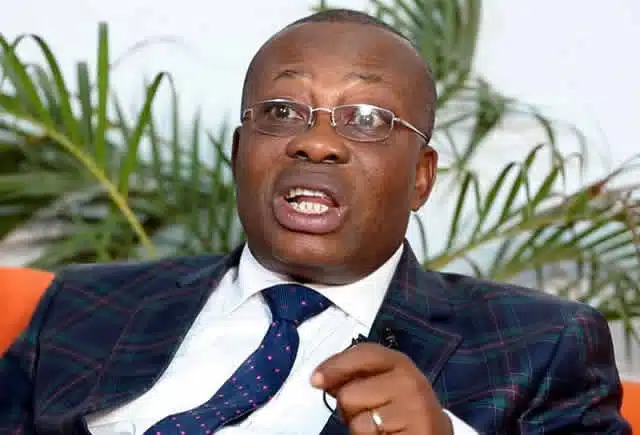
The push for a more transparent and credible voting process in Nigeria has gained significant momentum as the National Assembly signals its readiness to overhaul the nation’s voting laws. Monday Ubani, Chairman of the Nigerian Bar Association (NBA) Electoral Reform Committee, recently confirmed that both the Senate and the House of Representatives are operating with a renewed sense of urgency to ensure a new legal framework is in place long before the next general elections.
Speaking on the current legislative atmosphere, Ubani noted that the appetite for reform has moved beyond mere political rhetoric. After extensive consultations with the leadership of the electoral committees in both chambers, he revealed that lawmakers are now focused on harmonizing their positions to present a unified bill for presidential assent. This development marks a critical turning point for civil society groups and legal experts who have long argued that the existing laws contain loopholes that undermine the sanctity of the ballot.
One of the most pressing issues being addressed in the proposed legislation is the tightening of election litigation timelines. Ubani highlighted that the new law aims to reduce the window during which election results can be challenged in court. By streamlining these periods, the judiciary can resolve disputes more efficiently, preventing the prolonged legal battles that often distract elected officials from their governance duties. This shift is seen as a major win for judicial efficiency and political stability.
The legal expert emphasized that the “sense of urgency” is not just about passing any law, but about creating a robust framework that can withstand the pressures of a modern democracy. He pointed out that the delays experienced in previous reform attempts had created a vacuum of trust between the electorate and the government. With the Senate expected to prioritize this bill upon their January resumption, the path toward a modernized electoral system seems clearer than it has been in years.
Beyond the technicalities of litigation timelines, the bill is expected to address the harmonization of electronic transmission of results and the accreditation process. Ubani’s interactions with key lawmakers suggest that the National Assembly is aware of the public’s demand for a system that minimizes human interference. The goal is to move toward a digital-first approach that ensures the figures announced at the polling units are the same ones reflected at the national collation centers.
The NBA’s involvement in this process underscores the legal community’s commitment to democratic integrity. By acting as a bridge between the legislature and the public, Ubani and his committee are ensuring that the new law is not just a political document but a sound legal instrument. He stressed that “all hands are on deck,” indicating a rare level of synergy between the various arms of government and professional bodies involved in the reform process.
As the legislative session resumes, all eyes will be on the harmonization committee. The public expectation is that the Senate will move swiftly to align its version of the bill with that of the House of Representatives. This alignment is the final hurdle before the document reaches the President’s desk. Ubani remains optimistic that the political will currently being displayed will translate into a law that finally puts to rest the recurring issues of electoral fraud and administrative incompetence.
For the Nigerian voter, these developments represent a glimmer of hope. A new electoral law would mean more than just new rules; it would signify a commitment to a future where every vote truly counts. The focus on shorter timelines for challenges also ensures that the “will of the people” is determined quickly, allowing the country to move forward without the shadow of contested legitimacy.
In the coming weeks, the transparency of the harmonization process will be a litmus test for the National Assembly’s sincerity. Ubani’s insights suggest that the lawmakers are well aware of the stakes. With the next election cycle already on the horizon, the window for reform is narrow, but the current momentum suggests that Nigeria may finally be on the verge of a legislative breakthrough that secures its democratic future for generations to come.

