
BUSINESS
Naira Weakens as External Reserves Slip
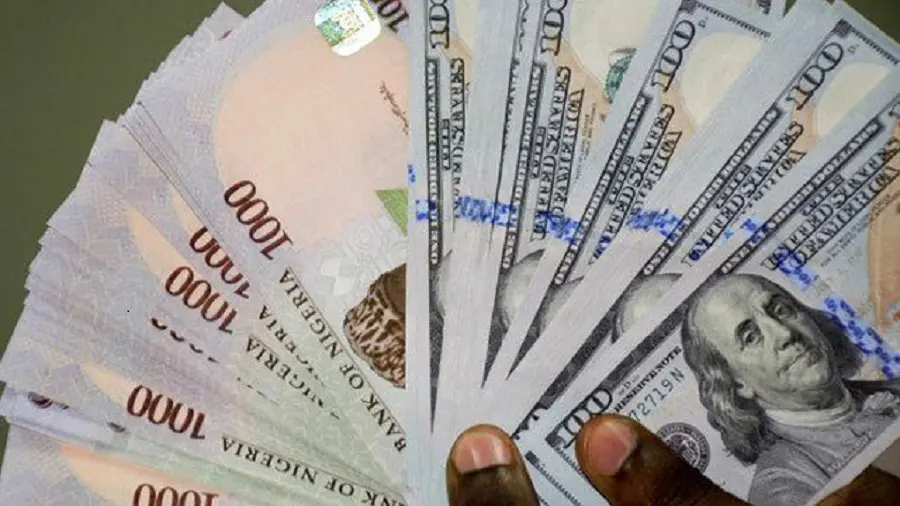
The Nigerian Naira has faced a fresh wave of pressure in the official foreign exchange market, recording a noticeable depreciation against the United States Dollar over the last 48 hours. Data released by the Central Bank of Nigeria (CBN) on Wednesday, December 17, 2025, reveals that the national currency eased to N1,455.4983 per dollar, a slide from the N1,451.8169 benchmark established at the start of the week on Monday. This cumulative dip of approximately N3.7 in just three days has reignited conversations among economic analysts regarding the short-term volatility of the exchange rate as the year draws to a close.
While the official window experienced these fluctuations, the parallel market—often referred to as the black market—showed a different kind of resilience. According to various Bureau De Change operators monitored in Abuja and Lagos, the Naira has remained stubbornly flat at N1,495 per dollar since the week began. This stability in the informal sector suggests that while official rates are adjusting to market forces, the street value is currently holding firm, possibly due to a temporary equilibrium in demand as festive season imports begin to taper off.
The recent movement in the exchange rate coincides with a slight contraction in Nigeria’s external reserves. Official figures show that the country’s foreign exchange buffers dropped to $45.32 billion as of December 15, 2025, down from the $45.47 billion recorded just three days earlier on December 12. Although the dip of roughly $150 million is relatively small in the context of the total reserve, it highlights the ongoing battle the central bank faces in maintaining liquidity within the market while defending the value of the Naira against global currency shifts.
Financial experts suggest that the current depreciation at the official window may be a result of the CBN’s commitment to a “willing buyer, willing seller” model, allowing the rate to reflect actual market demand without heavy-handed intervention. However, the marginal decline in reserves indicates that the apex bank is still actively managing the inflows and outflows of foreign capital to prevent a sharper spike in the cost of the dollar. As the 2025 fiscal year winds down, all eyes remain on the CBN’s next move to see if further orthodox monetary measures will be deployed to stabilize the currency ahead of the new year.


