
NEWS
Malami Cries Foul Over Alleged Rearrest Plot
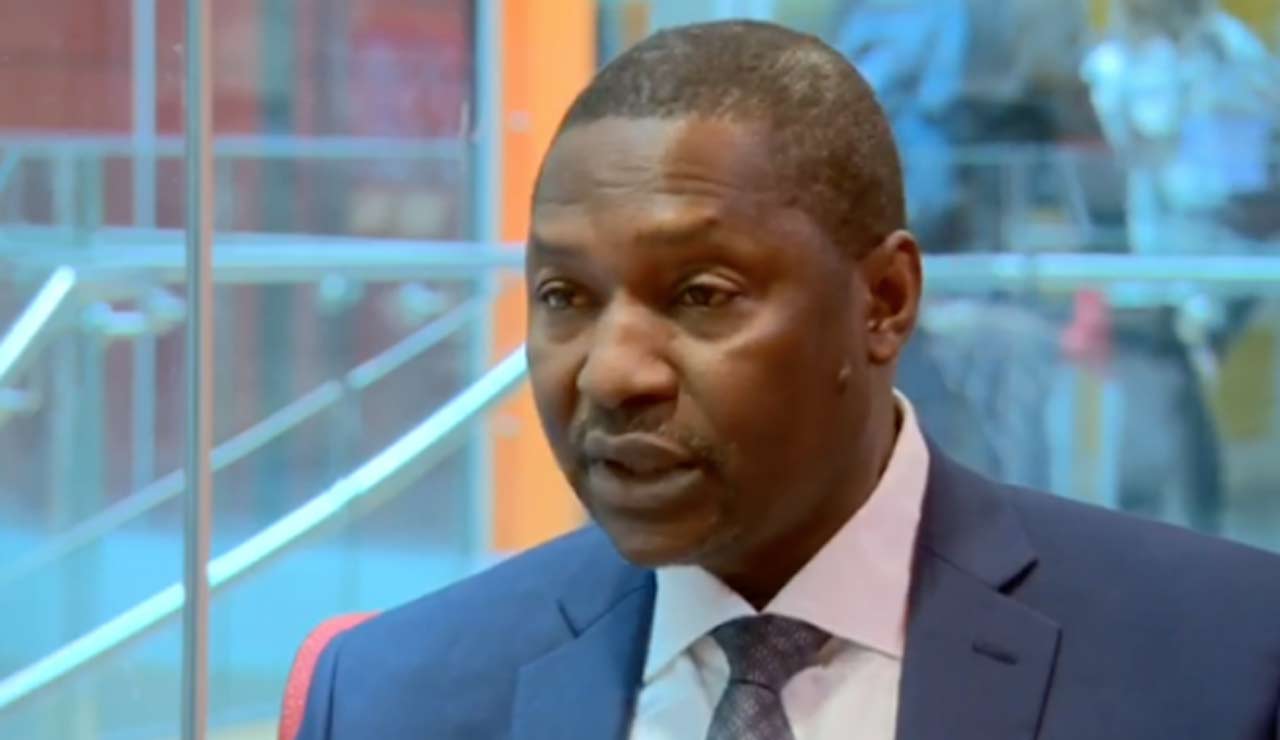
The legal battle surrounding Nigeria’s former Attorney-General of the Federation, Abubakar Malami, SAN, has taken a dramatic and tense turn. From the confines of the Kuje Correctional Centre, the former chief law officer’s camp has sounded a frantic alarm, alleging that a coordinated effort by state security apparatus is underway to ensure he never walks free, regardless of what the courts decree. In a move that highlights the deepening friction between the judiciary and executive enforcement agencies, Malami’s office claims that the Department of State Services is currently lying in wait to intercept him the moment he steps past the prison gates.
The heart of the outcry lies in an official statement released by Malami’s media aide, Mohammed Bello Doka. The communiqué paints a picture of a “cat-and-mouse” game played at the highest levels of national security. According to the former minister’s representatives, intelligence suggests that while one set of charges may have seen a breakthrough in the form of a bail order, a fresh set of “trumped-up” and entirely unrelated allegations are being prepared as a safety net to justify a secondary arrest. This strategy, often referred to in local legal circles as “revolving door” detention, has sparked a fierce debate over the sanctity of the rule of law.
Malami’s team describes the presence of DSS operatives at the Kuje facility not as routine surveillance, but as a direct siege. They argue that this mounting of standby teams is a pre-emptive strike against a High Court order that had already granted the Senior Advocate of Nigeria his freedom. The statement suggests that despite meeting the necessary bail conditions, the Economic and Financial Crimes Commission had previously refused to process his release, creating a backlog of ignored judicial directives. For a man who once sat at the pinnacle of the nation’s legal system, the irony of pleading for constitutional protection is not lost on observers.
The rhetoric coming from the Malami camp has escalated from legal disagreement to a plea for physical safety. They have formally placed it on record that the lives of the former minister, his family, and his immediate staff are now under “serious threat.” This move appears to be a calculated effort to internationalize the issue, shifting the narrative from one of financial or administrative accountability to one of human rights and personal liberty. By framing the potential rearrest as a “grave assault on constitutional safeguards,” the office is attempting to rally the legal community and civil society organizations to his cause.
This unfolding saga raises fundamental questions about the power dynamics within the Nigerian justice system. Malami’s office insists that he has remained cooperative and willing to face lawful judicial processes. However, they contend that when the state begins to manufacture fresh charges specifically to circumvent bail, it represents a dangerous abuse of power. The statement argues that what is being witnessed is a pattern of granting bail “on paper” while ensuring that, in practice, the cell door remains locked. This, they claim, undermines the very foundation of the democratic process Malami once served.
The implications of this standoff reach far beyond the individual fate of the former Attorney-General. It touches on the recurring theme of executive agencies disregarding court orders, a trend that has long been a point of contention for the Nigerian Bar Association and various human rights groups. If a former chief law officer can be subjected to what his team describes as “intimidation and unlawful detention,” it sends a chilling message to the average citizen about the efficacy of a court’s signature. Malami’s representatives are now calling on the international community to keep a close watch on the Kuje facility, fearing that the “fresh arrangements” for his arrest will be executed under the cover of administrative technicalities.
As it stands, the atmosphere around the Kuje Correctional Service remains highly charged. The “reliable information” cited by Malami’s office has turned a routine legal release into a high-stakes standoff. The public is left to wonder whether the agencies involved are acting in the interest of justice or if the situation has devolved into a personal and political vendetta. The office of the former AGF has promised further updates, signaling that they are prepared for a long and public fight to prevent what they call a “calculated sabotage” of his freedom.
The drama at Kuje is more than just a legal dispute; it is a litmus test for the independence of the Nigerian judiciary in 2026. As the DSS and EFCC remain silent on these specific allegations of a rearrest plot, the silence only fuels the fire of speculation. Malami, a man who once oversaw the prosecution of many, now finds himself in the crosshairs of the very system he helped manage, pleading for the fairness and “constitutional protection” that he insists is the right of every citizen, regardless of their past office.


