
NEWS
Magu Clarifies Jonathan’s Arms Deal Status
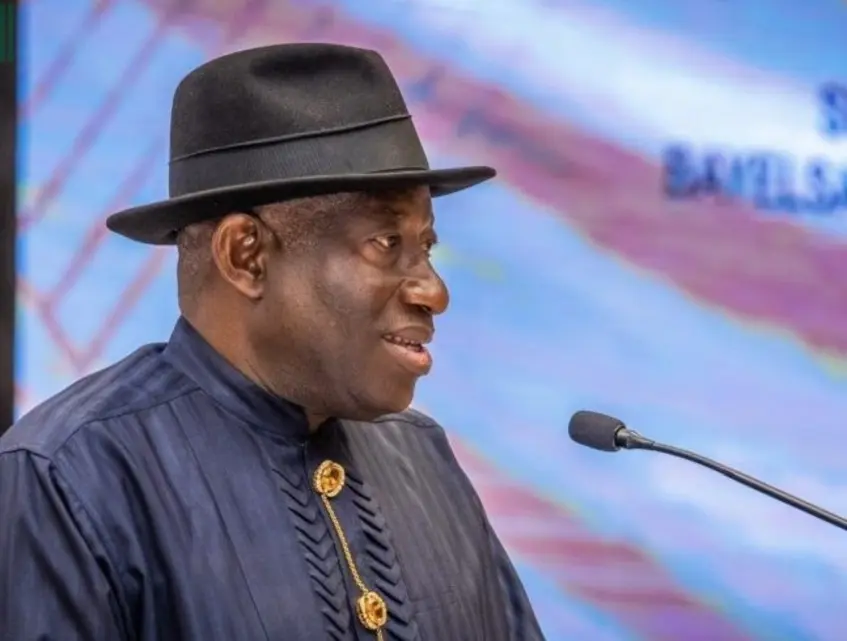
Ibrahim Magu, the former acting chairman of the Economic and Financial Crimes Commission, has finally shed light on one of the most persistent mysteries of Nigeria’s anti-corruption war. The veteran investigator explained why former President Goodluck Jonathan was never formally summoned for questioning during the high-profile probe into the $2.1 billion arms deal scandal. According to Magu, the trail of evidence simply did not support a direct invitation for the former leader based on the official documentation available to the commission.
These revelations surfaced in a newly launched book, From Soldier to Statesman: The Legacy of Muhammadu Buhari, authored by Dr. Charles Omole. The book provides a behind-the-scenes look at the internal workings of the EFCC during its most aggressive period of investigating campaign finance and military procurement. Magu’s testimony within the pages suggests that investigators were meticulous in reviewing memos and financial records to determine where the ultimate responsibility for fund disbursement lay.
A core finding of the EFCC’s review was that the funds in question were never officially approved for political campaign purposes by the presidency. The documents instead showed a diversion of funds that occurred beneath the presidential level. This distinction proved critical in the decision-making process of the commission, as investigators focused on the officials who directly signed off on the transfers and the beneficiaries who received the diverted public wealth.
The book paints a vivid picture of a government within a government during the Jonathan administration. Omole describes a power dynamic where the former National Security Adviser, Sambo Dasuki, wielded such immense authority over procurement that he was frequently referred to as a “co-president.” This centralization of power allegedly created friction with other high-ranking officials, including then-Defence Minister Aliyu Gusau, as vital functions and massive budgets gravitated almost exclusively toward the NSA’s office.
This atmosphere of concentrated authority meant that many of the financial maneuvers occurred within a specialized loop. When the EFCC began peeling back the layers of the $2.1 billion scandal, the investigations sent shockwaves through the Peoples Democratic Party. High-ranking members were suddenly faced with questions about the origins of the money used to fund the 2015 elections. The book details how this pressure led to various reactions among the political elite, ranging from flight to open defiance.
Former PDP national chairman Adamu Mu’azu reportedly went into hiding as the commission sought his testimony. Meanwhile, the party’s then-spokesman, Olisa Metuh, became a symbol of the era’s legal battles. Metuh famously refused to return N400 million linked to a company associated with him, allegedly stating he would rather face the consequences than refund the money. His subsequent arrest and trial became one of the most publicized spectacles of the anti-corruption drive.
Magu’s reflections in the book also highlight the immense frustration he felt as the head of the anti-graft agency. He lamented the tactical advantages held by wealthy political defendants, noting that those who stole billions often set aside half of their loot specifically for litigation. By hiring fleets of Senior Advocates of Nigeria, these defendants were often able to stall cases for years, exploiting every possible loophole or investigative gap to stay out of prison.
The reach of the probe extended deep into the military hierarchy as well. Following the recommendations of the Military Procurement Audit Committee, President Muhammadu Buhari ordered the investigation of 17 serving and retired officers. This phase of the investigation touched the highest levels of the Nigerian Air Force, involving figures like the late Air Chief Marshal Alex Badeh. Badeh eventually faced charges involving the alleged diversion of N1.4 billion in Air Force funds for the purchase of a luxury mansion in Abuja.
Despite the intensity of these probes, the EFCC faced constant accusations of conducting a political witch-hunt. PDP loyalists argued that the commission was being used as a tool to dismantle the opposition. However, the audit committee’s findings provided a counter-narrative, flagging 21 different companies for questionable contracts linked to the Air Force and the NSA. The reports cited unclear costs and the transfer of public funds for unidentified or non-existent purposes.
The book serves as a historical record of a period marked by massive financial disclosures and legal drama. Magu’s explanation regarding Goodluck Jonathan suggests that even in a highly charged political environment, the EFCC attempted to stick to the paper trail. While the “co-president” narrative suggests a lack of oversight, the lack of a direct signature meant that, legally, the buck stopped elsewhere in the eyes of the investigators.
This retrospective look at the arms deal saga provides a clearer understanding of why certain figures were prosecuted while others remained untouched. It highlights the complexity of holding top-tier leaders accountable in a system where authority is often delegated and paper trails are intentionally obscured. For Magu, the struggle was not just about finding the truth, but about navigating a legal system where the “stolen N10 billion” often funded its own defense.


