
HEALTH
Lassa Fever: Young Adults Hardest Hit as Death Toll Climbs to 206
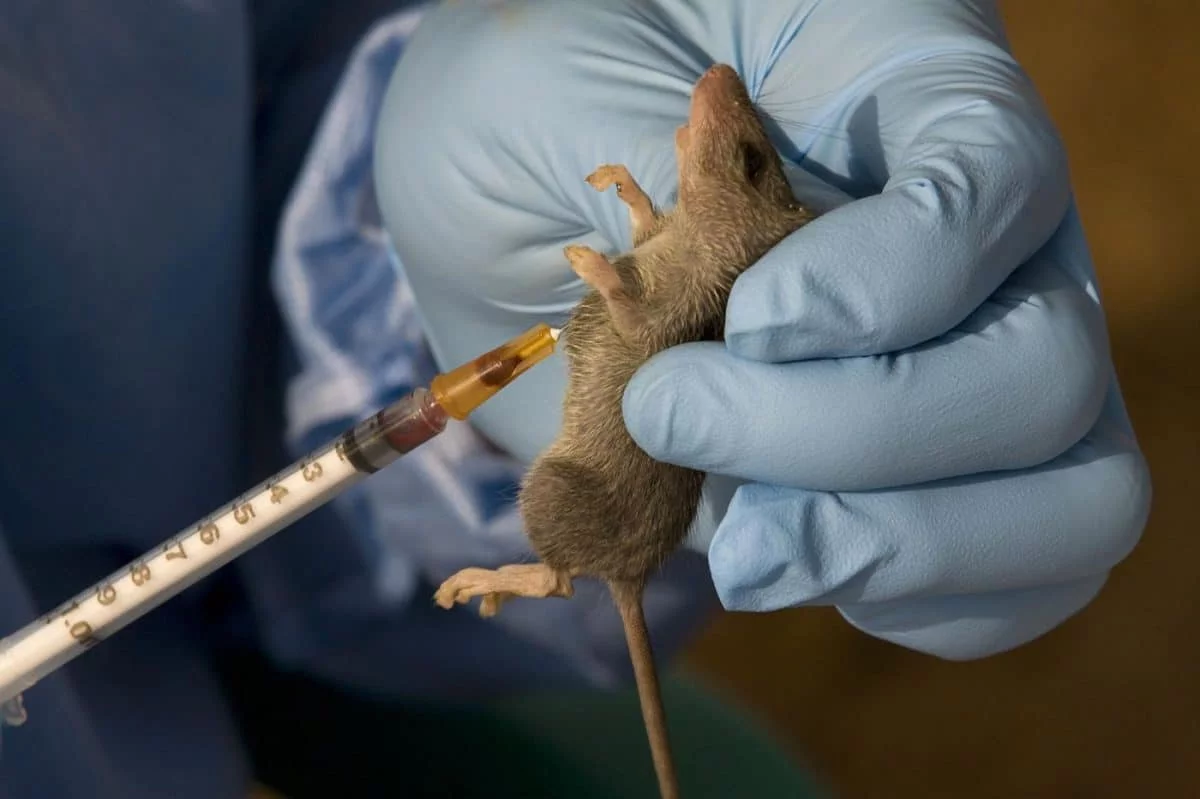
The Nigeria Centre for Disease Control and Prevention (NCDC) has raised the alarm over a surge in Lassa fever fatalities, with 206 deaths recorded across the country in 2025. According to the latest situation report for Epidemiological Week 51, spanning December 15 to 21, the nation’s case fatality rate has climbed to 18.4 percent—a worrying increase from the 16.4 percent documented during the same period in 2024. Despite a slight week-on-week dip in new infections, health officials are concerned by the persistent high mortality rate and the shifting demographics of the outbreak.
Young adults are bearing the brunt of the current epidemic, with individuals aged 21 to 30 years emerging as the most vulnerable demographic. The NCDC report reveals that the median age of confirmed patients nationwide is 30, suggesting that the country’s most economically active population is at the highest risk of exposure. Data further shows a slight gender disparity, with males more frequently affected than females, a trend experts attribute to occupational exposure and community-specific health-seeking behaviors.
The geographic footprint of the virus remains concentrated but widespread, with 21 states and 105 Local Government Areas recording at least one confirmed case in 2025. However, the burden is heavily skewed toward a few hotspots; Ondo, Bauchi, Edo, and Taraba states collectively account for a staggering 88 percent of all confirmed infections. Ondo State continues to be the epicenter of the crisis, contributing 35 percent of the national total, as state and federal teams struggle to contain the rodent-borne illness in high-transmission zones.
Health authorities have identified several systemic hurdles that continue to frustrate containment efforts. Key among these are “late presentation” at treatment centers and a general hesitation to seek medical help due to the high cost of specialized clinical management. Poor environmental sanitation in high-burden communities also provides a fertile breeding ground for the Mastomys rodents that carry the virus. The NCDC has warned that until community sanitation and early diagnostic suspicion are improved, the cycle of transmission will remain difficult to break.
In response to the data, the NCDC has called on healthcare workers to maintain a “high index of suspicion” when treating patients with febrile illnesses. The agency is currently coordinating a multi-sectoral emergency response that includes stepped-up surveillance, laboratory support, and infection prevention. As the dry season—the peak period for Lassa fever—intensifies, the public is urged to secure food items in rodent-proof containers and avoid contact with infected materials to stem the tide of what remains a deadly public health challenge.