
BUSINESS
Jersey Returns $9.5 Million in Stolen Assets to Nigeria for Highway Project
The Federal Government of Nigeria is poised to receive a fresh injection of $9.5 million in repatriated funds following a landmark agreement with the Bailiwick of Jersey. This capital, recovered from the proceeds of high-level corruption, has been earmarked specifically to accelerate the final phases of a critical national infrastructure artery.
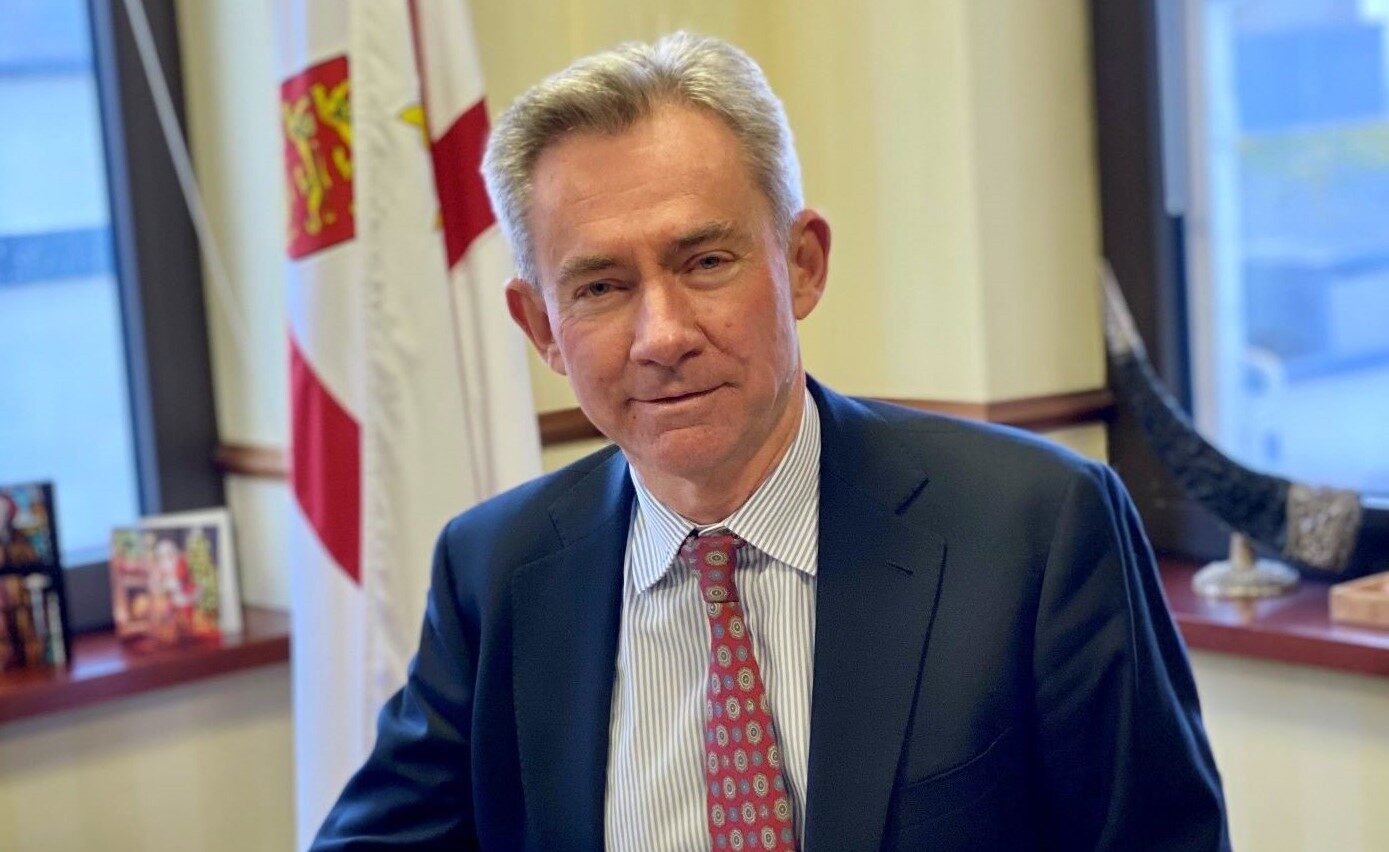
According to recent disclosures from the British High Commission, the repatriation was formalized through a Memorandum of Understanding signed by Jersey’s Attorney General, Mark Temple KC. The agreement serves as the legal bridge allowing the transfer of assets that were previously frozen and subsequently forfeited under Jersey’s robust financial oversight laws.
The funds in question were the subject of an intense legal battle within the Royal Court of Jersey. In late 2023, the Attorney General moved to seize assets held in a local bank account under the island’s civil forfeiture regime. By early 2024, the court ruled that these millions were “more likely than not” the product of a sophisticated corrupt scheme involving senior Nigerian officials and third-party contractors.
This latest recovery highlights the persistent shadow of financial misconduct that has seen billions of dollars diverted from the Nigerian public treasury over several decades. However, it also underscores a tightening global net around illicit financial flows, as international jurisdictions become less hospitable to the storage of stolen sovereign wealth.
Mark Temple KC emphasized that the successful forfeiture is a testament to the power of Jersey’s legislative framework. He noted that the island’s ability to tackle international corruption through civil proceedings provides a blueprint for other financial centers. He also extended gratitude to the Nigerian Ministry of Justice for its sustained cooperation during the investigation.
Nigeria’s Attorney General and Minister of Justice, Lateef Fagbemi SAN, hailed the move as a victory for international diplomacy and asset recovery. He provided firm assurances that the $9.5 million would be utilized with strict transparency. The Nigerian government has faced immense pressure from civil society groups to ensure that returned loot is not re-looted or lost to administrative inefficiency.
To ensure accountability, the funds are strictly tied to the Abuja–Kano Road project. This 375-kilometre highway is a vital economic link between the nation’s capital and its northern industrial hub. The road is part of a broader infrastructure master plan intended to reduce travel times, lower the cost of transporting goods, and improve safety for millions of commuters.
This is not the first time Jersey has served as a conduit for the return of Nigerian wealth. The current agreement builds on a precedent that has already seen over $300 million returned to Nigeria. Those previous tranches were instrumental in the construction of the Second Niger Bridge and the Lagos-Ibadan Expressway, both of which are now largely completed and in use.
The history of Nigerian asset recovery is long and complex, often involving names of high-ranking former officials. While the specific individuals behind this $9.5 million seizure were not named in the High Commission’s statement, the case mirrors other high-profile recoveries. These include millions seized from former Delta State Governor James Ibori and assets linked to former Petroleum Minister Diezani Alison-Madueke.
Jersey itself occupies a unique position in these proceedings. As a self-governing British Crown Dependency, it maintains its own legal and financial systems while relying on the United Kingdom for international representation. Its status as a global financial hub has historically made it a target for those looking to hide wealth, but its recent actions suggest a shift toward proactive transparency.
For the average Nigerian citizen, these repatriations represent more than just legal victories; they are tangible contributions to the nation’s crumbling infrastructure. With the Abuja-Kano Road nearing its final stages, the $9.5 million arrives at a pivotal moment. The completion of this highway is expected to stimulate regional trade and provide a much-needed boost to the local economy in the surrounding states.
The collaboration between Abuja and Saint Helier reflects a growing trend of “asset return diplomacy.” By tying recovered funds to specific, monitored projects, international partners feel more confident that the money will benefit the public rather than disappearing into general budgetary black holes. This model of ring-fencing funds for infrastructure has become the standard for modern repatriation deals.
As the $9.5 million is integrated into the national budget for the highway project, the focus shifts to the Ministry of Works to ensure the timeline for completion is met. The project remains one of the most significant engineering undertakings in the country, symbolizing both the cost of past corruption and the potential for future development through recovered resources.
This cycle of theft and recovery serves as a stark reminder of the challenges facing Nigeria’s governance. Yet, the successful return of these funds offers a glimmer of hope that the era of impunity is being challenged by global judicial cooperation. The Abuja-Kano Road will eventually stand as a monument to this process, built literally from the reclaimed pieces of the nation’s stolen heritage.