
NEWS
Iroegbu Warns: Muslim-Muslim Ticket Fueled Global Outcry Over Nigeria’s Silent War
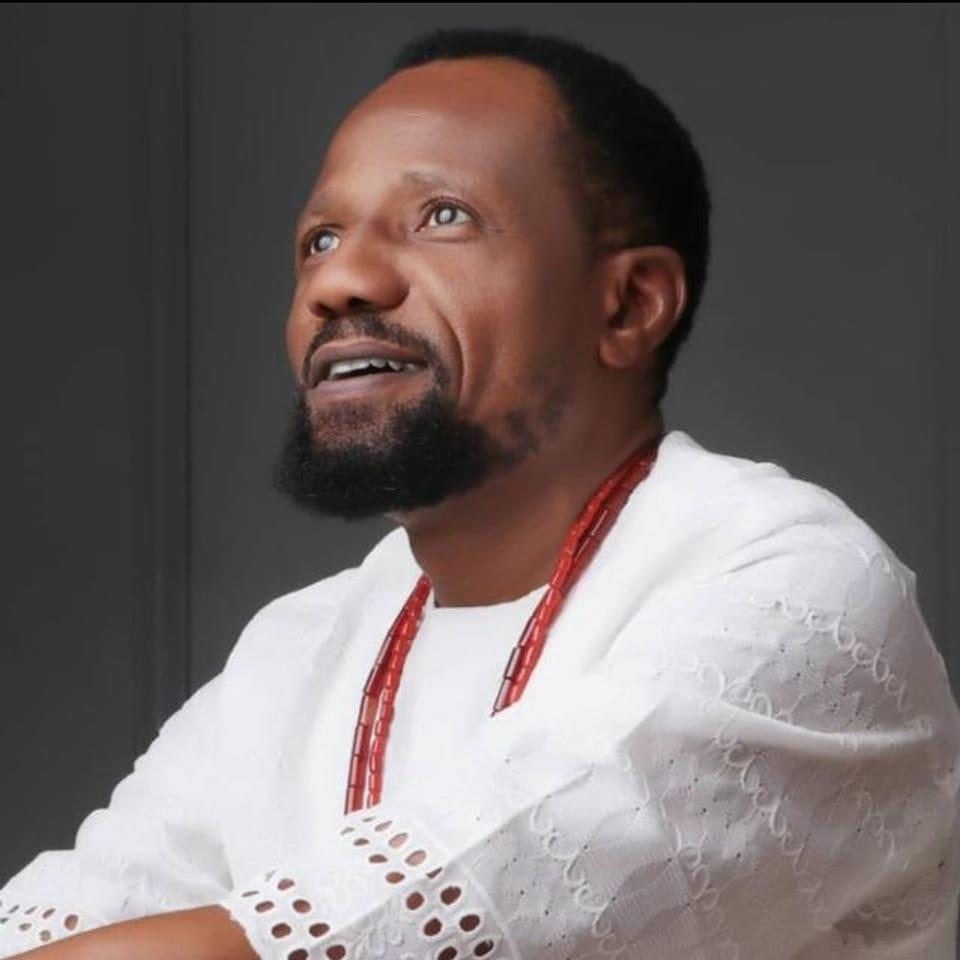
The political and security landscape in Nigeria has reached a critical tipping point, with public affairs analyst Dickson Iroegbu warning that years of “governance by cronyism” and religious exclusivity have finally invited international wrath. Speaking on Arise Television’s Prime Time on Wednesday, December 24, 2025, the veteran filmmaker and analyst argued that the controversial Muslim-Muslim presidential ticket was a pivot point of impunity that provided the perfect catalyst for U.S. President Donald Trump’s recent threats of intervention.
Iroegbu’s comments come amidst a firestorm of diplomatic tension following President Trump’s redesignation of Nigeria as a “Country of Particular Concern” and his subsequent warnings of potential military action to halt what he termed “Christian genocide.” For Iroegbu, the Nigerian government’s shock at these threats is a case of “playing the ostrich,” pretending not to see a crisis that has been simmering for over a decade. He contended that the same-faith ticket adopted by the ruling All Progressives Congress (APC) sent a dangerous signal of exclusion in a country split almost equally between two major faiths.
During the interview, Iroegbu was uncompromising in his assessment of the security situation, asserting that “Christian genocide” is a grim reality that the state can no longer gloss over. While acknowledging that the wave of violence across the country claims the lives of Muslims, Christians, and non-believers alike, he insisted that the targeted nature of attacks on Christian communities in the Middle Belt and beyond has reached a level that demands external scrutiny. The analyst noted that it took a “guns-a-blazing” threat from Washington to suddenly jolt the Nigerian government into a frantic effort to “cover up the ills” of the nation.
The analyst did not hold back in his critique of the ruling class, describing the past ten years of APC leadership as a period where the value of human life was secondary to the interests of political cronies. He lamented that for a decade, the machinery of governance appeared to exist solely to serve the ruling elite rather than the Nigerian people. This systemic neglect, he argued, is why a country not officially at war can see between 100 and 150 citizens “slaughtered” on a daily basis without a corresponding emergency response from the National Assembly.
Iroegbu’s frustration was palpable as he questioned the silence of domestic institutions. He asked why Nigeria must wait for an intervention from the United States to place a premium on the lives of its own citizens. To him, the government’s sudden diplomatic activity and defensive posturing after Trump’s tweet are evidence that the administration is more concerned with its international image than the internal carnage it has allegedly allowed to persist.
The debate over the “genocide” label remains one of the most polarizing topics in Nigerian discourse. While the federal government and some international bodies like the African Union have pushed back against the term—citing resource competition and banditry as primary drivers—Iroegbu argued that suggesting the killings are anything less than a targeted erasure is an insult to the victims. He claimed that the “impunity” of the current political structure has created a vacuum where radical elements feel empowered to strike with little fear of state retribution.
As a US delegation led by Congressman Riley Moore recently concluded a fact-finding mission in Benue State, Iroegbu’s views reflect a growing sentiment among critics who see the intervention as a necessary “evil” to force accountability. He warned that if Nigeria does not urgently address the lopsided nature of its governance and the vulnerability of its religious minorities, it remains exposed to even harsher international sanctions.
The interview concluded with a somber reflection on the state of the union, with Iroegbu calling for a return to people-centered governance. He insisted that the “Muslim-Muslim ticket” was not just a political strategy but a symbol of a deeper disregard for the delicate balance that holds Nigeria together. Until the government prioritizes every Nigerian life over political survival, he warned, the “threat from the West” will continue to loom large over the capital.