
BUSINESS
Fuel Tariff Policy Generates Major Concerns from Stakeholders and NLC
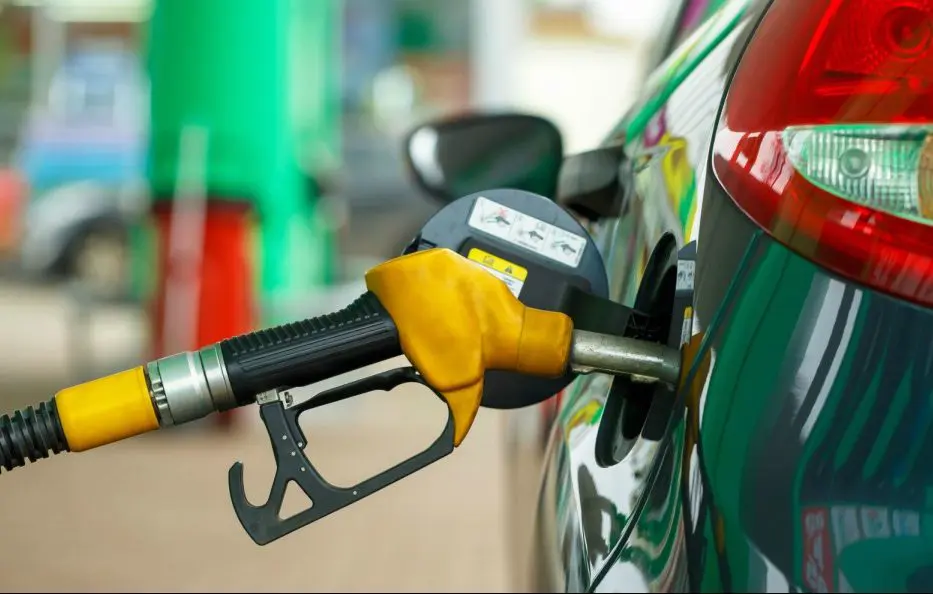
President Bola Ahmed Tinubu’s recent approval for the implementation of a fresh 15 per cent import duty on petrol and diesel has triggered significant concern among various stakeholders, including the Nigerian Labour Congress (NLC) and petroleum industry experts, over the likely negative impact on consumer prices.
Dependable NG reports that the tariff is expected to result in Nigerians bearing an additional cost of approximately N99.72 per litre for imported petrol and diesel when the policy takes full effect. Executive Chief of the Federal Inland Revenue Service (FIRS), Zacch Adedeji, explained that the move is corrective, not revenue-driven, and is aimed at aligning import costs with domestic realities to protect local refineries. Adedeji projected that even with the tariff, imported petrol pump prices in Lagos State would be an estimated N964.72 per litre, up from the current price of N925, adding that this is still significantly below regional averages.
However, the policy has generated strong division. Presidential spokesperson Sunday Dare defended the policy, calling it a “bridge, not a burden,” designed to reverse Nigeria’s dependence on imports by encouraging local refining and boosting domestic capacity. This view was supported by economist Bismarck Rewane and the Centre for the Promotion of Private Enterprise, which argued the tariff would protect local refineries like Dangote and the Nigerian National Petroleum Company Limited (NNPCL) facilities.
On the opposing side, an All Progressives Congress (APC) chieftain, Ayiri Emami, and the spokesperson for the Independent Petroleum Marketers Association of Nigeria (IPMAN), Chinedu Ukadike, vehemently kicked against the tariff, stressing that the burden of the price increase would inevitably be passed directly to ordinary Nigerians.
Further emphasizing the concerns, Dr. Tim Okon, Managing Partner of TENO Energy Resources Limited and former Group Executive Director of NNPC, stated that while the tariff is designed to address Nigeria’s long-standing import dependence, market forces should ultimately determine pricing. Meanwhile, Lucky Akhiwu, Publicity Secretary of the Petroleum Technology Association of Nigeria (PETAN), expressed fear that the policy could lead to the import of cheaper, possibly substandard refined products, even while acknowledging its goal of encouraging local industry.
Most critically, the Nigeria Labour Congress (NLC), through its spokesperson Benson Upah, issued a stern warning that the policy could “backfire” if it results in price manipulation or consumer exploitation by key players in the downstream sector. Upah stressed that while protecting local industries is vital, the policy is only acceptable if local refining capacity can meet local demand without distortions. He cautioned that if the tariff is used to shield monopolies or manipulate supply, it would represent a “minimum of a whopping 15 percent additional tax on imported products” borne by consumers. Industrial data from the Nigerian Midstream and Downstream Petroleum Regulatory Authority shows that the Dangote Refinery currently supplies about 20 million litres of petrol daily out of an estimated 45 to 50 million average daily consumption, although the refinery claims to be loading over 45 million litres daily and supports the tariff.


