
NEWS
Federal Government Declares All-Out War on Forest Insurgency
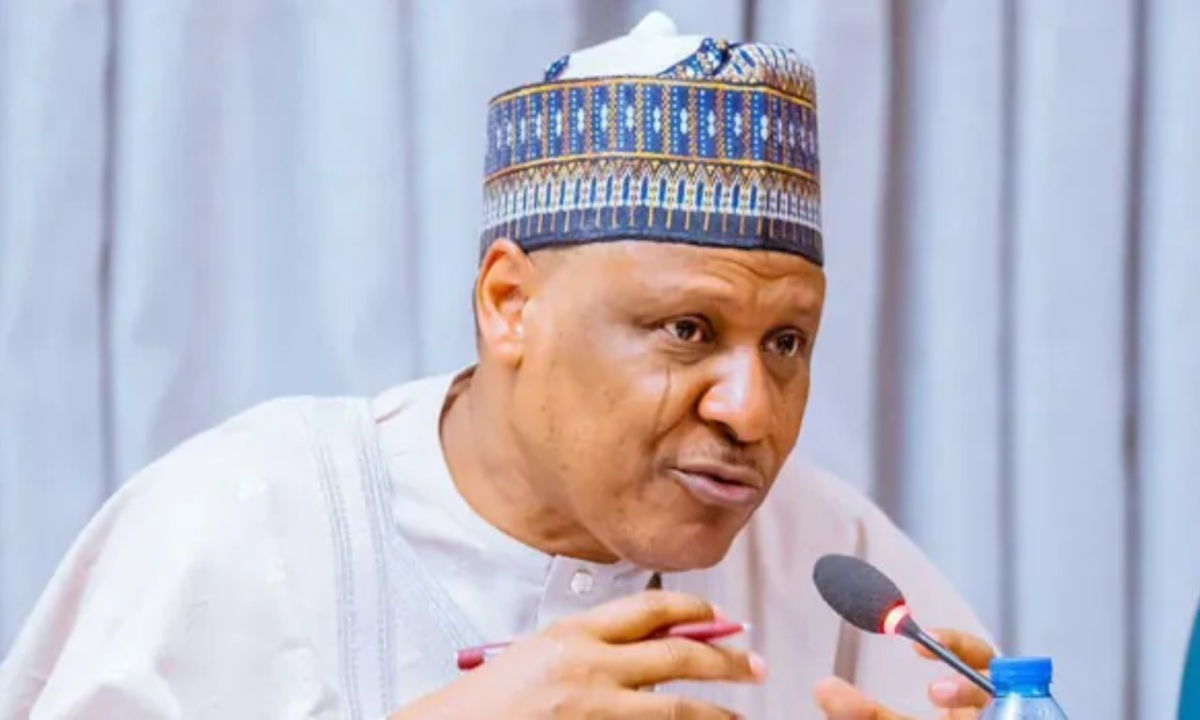
The vast, unmapped forests of Nigeria, long treated as impregnable fortresses by bandits and insurgent groups, are the primary target of a new, aggressive security strategy unveiled by the President Bola Ahmed Tinubu administration. During a decisive end-of-the-year briefing in Abuja on Monday, the Minister of Information and National Orientation, Mohammed Idris, signaled a paradigm shift in the nation’s internal security architecture.
At the heart of this new offensive is a presidential declaration of a nationwide security emergency, a move designed to dismantle the “safe havens” that have allowed criminal elements to operate with relative impunity. For years, the inability of conventional security forces to penetrate deep into the hinterlands has left rural communities vulnerable, but the government now insists that the era of “unmanned dark forces” is coming to a definitive end.
The Minister revealed that the coming months will see a historic surge in personnel, characterized by a massive recruitment drive into the Nigerian Armed Forces and the Nigeria Police Force. This influx of manpower is intended to address the persistent deficit in boots on the ground, ensuring that liberated territories are held and monitored rather than just temporarily cleared.
Crucially, the government is introducing a specialized layer to its defense strategy through the deployment of trained and equipped forest guards. These units will be specifically tasked with patrolling the nation’s dense vegetation and vulnerable ecological zones, closing the gaps that terrorists have historically exploited to regroup, store weapons, and hide kidnapped victims.
Idris pointed out that the previous lack of a dedicated presence within these forests provided a tactical advantage to bandits and terrorists. By establishing a permanent security presence in these remote regions, the government aims to flip the script, turning the very terrain that once protected criminals into a high-pressure zone where they can be tracked and neutralized.
The Minister’s remarks underscored a sense of urgency, framing the 2025 security outlook as a turning point for national stability. He emphasized that the presidential declaration is not merely a symbolic gesture but a logistical commitment to ensuring that no square inch of Nigerian soil remains under the shadow of non-state actors.
This comprehensive approach also targets the “vulnerable locations” that often serve as transition points for criminal logistics. By integrating intelligence-led operations with the physical presence of forest guards, the government hopes to cut off the supply lines that fuel insurgency in the Northeast, Northwest, and North-central regions.
Public reaction to the announcement has been a mixture of hope and caution, as many Nigerians have heard promises of increased recruitment in the past. However, the specific focus on the “forest guard” model suggests a more nuanced understanding of the geographical challenges that have hindered traditional military operations in the bush.
The Minister assured the press that the equipment being provided to these new recruits would be tailored to the rugged conditions of the Nigerian wild. This technological and tactical upgrade is seen as essential for restoring confidence among rural farmers who have been forced to abandon their lands due to the presence of armed groups in nearby thickets.
As the 2024 calendar closes, the federal government is positioning this “no hiding place” policy as the cornerstone of its 2025 agenda. The goal is to restore the integrity of the nation’s forests, transforming them from theaters of violence back into assets for national development and ecological preservation.
The success of this initiative will ultimately be measured by the safety of the average citizen and the reclaiming of territories previously deemed “too dangerous” for state presence. For the Tinubu administration, the message is clear: the wilderness is no longer an asylum for the lawless, and the state is finally ready to march into the heart of the darkness.


