
NEWS
EFCC Extends Probe to Swiss Schools Over Dangote Petition
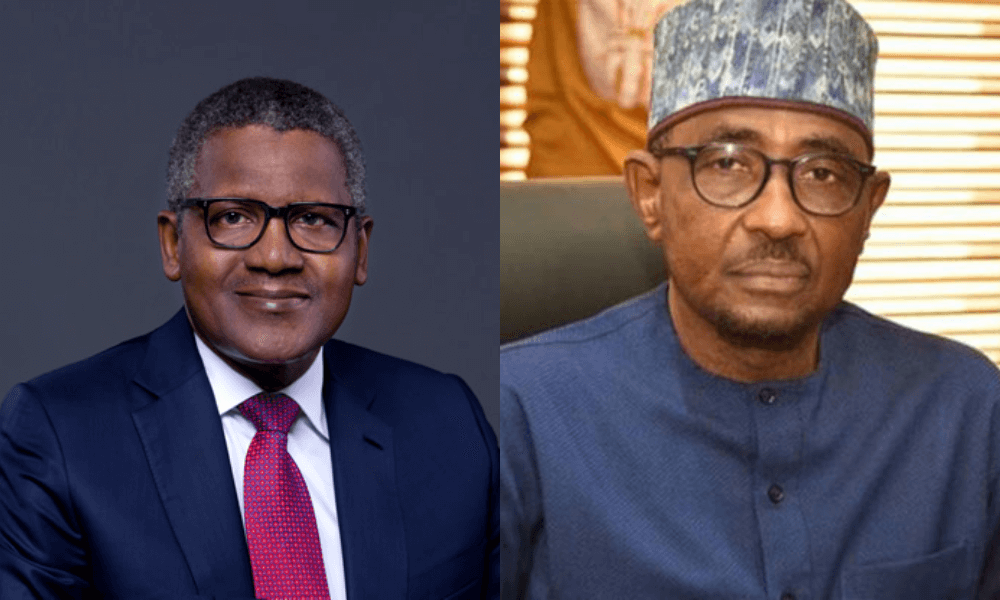
The Economic and Financial Crimes Commission (EFCC) has officially launched a wide-ranging investigation into Farouk Ahmed, the former Managing Director of the Nigerian Midstream and Downstream Petroleum Regulatory Authority (NMDPRA). The probe follows a high-stakes petition filed by Aliko Dangote, President of Dangote Industries, which alleges massive financial impropriety and the diversion of public funds into private educational expenses.
According to senior officials within the anti-graft agency, the investigation has moved into an international phase. Investigators are currently preparing formal inquiries to be sent to elite educational institutions in Switzerland where Ahmed’s children are reportedly enrolled. The focus of the probe is a staggering claim that approximately $7 million was spent on secondary school tuition—funds that the petition alleges were unlawfully sourced from the public treasury.
The legal battle began in December 2025 when Dangote first approached the Independent Corrupt Practices and Other Related Offences Commission (ICPC). In that initial filing, the billionaire businessman accused the former regulatory chief of violating the Code of Conduct for Public Officers. While the petition was later withdrawn from the ICPC in January 2026, the commission opted to continue its own independent inquiry under its enabling Act, citing the gravity of the allegations.
By July 2026, the Dangote Group’s legal team escalated the matter by filing a fresh, comprehensive petition with the EFCC. The agency has confirmed that it is following its standard operating procedure, which prioritizes gathering third-party evidence before confronting the primary suspect. A senior EFCC source stated that Ahmed has not yet been invited for questioning because the commission is still “preparing the ground” by verifying claims with local and international entities.
This methodical approach mirrors the agency’s previous high-profile investigations into the misuse of government funds for personal family expenses. EFCC leadership has pointed to the 2024 case involving former Kogi State Governor Yahaya Bello as a precedent. In that instance, the commission successfully tracked hundreds of thousands of dollars transferred to an international school in Abuja, demonstrating its capacity to follow the “money trail” into the education sector.
The current investigation into Farouk Ahmed aims to determine if there is a discrepancy between the former official’s legitimate earnings and the multi-million dollar tuition payments cited in the petition. “Whoever is indicted is always the last to be invited,” an official noted, explaining that they are currently writing to all relevant companies, government bodies, and international schools to build a foolproof case.
The friction between Africa’s richest man and the former midstream regulator marks a significant moment in Nigeria’s corporate and regulatory history. As the EFCC reaches out to Swiss authorities, the outcome of this probe could have far-reaching implications for public accountability and the scrutiny of high-ranking government officials’ lifestyles. For now, the agency remains tight-lipped on the specific timelines, but confirms that international cooperation is a central pillar of the ongoing task.


