
BUSINESS
Christmas Blackout: Pipeline Blast Dims Holiday Hopes
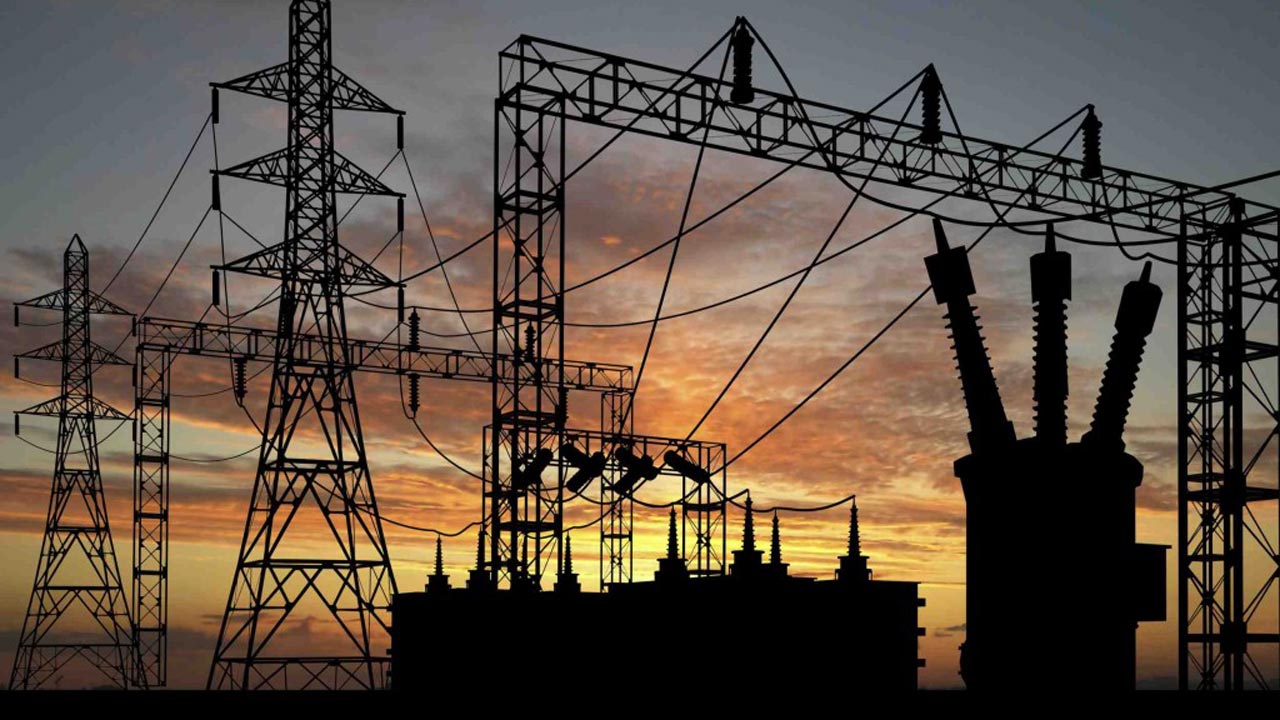
Millions of Nigerians are bracing for a bleak and dim Christmas celebration following a catastrophic explosion on the Escravos–Lagos Gas Pipeline. The blast has effectively paralyzed the nation’s electricity grid, leaving homes and businesses across the federation in a state of sudden uncertainty.
The Nigerian Independent System Operator confirmed the nationwide slump in a statement that offered little comfort to a frustrated public. According to the agency, the grid failure is a direct consequence of the damaged infrastructure, which has choked the essential supply of gas to major thermal power stations.
This sudden lack of fuel has forced several plants to shut down their turbines, leading to a massive deficit in the national power pool. For many, the timing of the disruption could not be worse, as families gather for festivities that traditionally rely on a steady power supply.
The disruption, which began earlier this week, has stalled holiday preparations from food preservation to the lighting of festive displays. With the national grid already known for its fragility, this latest incident has pushed the system to a breaking point during the peak of the season.
The Nigerian Gas Processing and Transportation Company is currently on-site in Delta State, battling against the clock to repair the ruptured section of the pipeline. While engineers work on the ground, the System Operator has warned that the restoration process will not be instantaneous.
Officials have estimated that it will take at least another 24 to 48 hours before the gas begins to flow at the required pressure to restart the idle plants. This timeline suggests that the peak of the Christmas holiday will be spent in total or partial darkness for many regions.
In its Tuesday briefing, the agency emphasized that it is closely monitoring the progress of the repairs. The statement acknowledged the severity of the setback, describing the explosion as a major blow to the country’s generation capacity at a most sensitive time.
Despite the technical hurdles, there is a cautious optimism that the pipeline will be fully operational by the end of the week. This would allow for a gradual return of power to the distribution networks, though it may be too late for some Christmas Eve gatherings.
The root of the crisis traces back to a massive blast on a critical oil and gas artery. The Nigerian National Petroleum Company Limited had previously flagged the incident, which appears to be linked to the ongoing menace of pipeline vandalism in the region.
This act of sabotage has once again highlighted the extreme vulnerability of Nigeria’s energy infrastructure. It underscores how the entire nation’s stability can be compromised by a single point of failure within the distribution network.
The economic impact of the blackout is already being felt across major urban centers. Small business owners, particularly those in the hospitality and retail sectors, are being forced to rely on expensive diesel and petrol generators to stay afloat.
For the average household, the cost of fueling private generators during a period of high fuel prices is an added burden. Many families find themselves choosing between spending on holiday meals or spending on the fuel required to keep the lights on.
As the sun sets on Christmas Eve, the prospect of a brightly lit holiday remains a far-off dream for many. The hum of generators has replaced the sound of holiday music in many neighborhoods, while others sit in total silence.
The “gradual restoration” promised by the authorities means that even after the pipes are fixed, it may take several more days for the supply to stabilize. The complexity of balancing the grid means that some areas will receive power long before others.
Public frustration is palpable, with many citizens questioning why the energy sector remains so susceptible to such disruptions. Social media platforms have been flooded with complaints from residents who feel that the festive period should have been better protected.
The reliance on a single, vulnerable pipeline for a significant portion of the country’s power generation remains a glaring flaw. Experts suggest that without diversification of fuel sources, these “Blackout Christmases” could become a recurring theme.
NISO has appealed for patience, asserting that every available resource is being deployed to rectify the situation. The agency reiterated that once the gas supply is restored, the grid will be ramped up to its previous capacity as quickly as safety allows.
However, until those repairs are certified as safe and functional, the nation remains at the mercy of a crippled system. The technical challenges of repairing high-pressure gas lines are immense and require a level of precision that cannot be bypassed.
In the heart of the Niger Delta, repair teams are working through the night, aware of the millions of people waiting on their success. Their progress is the only thing standing between a dark holiday and a restored sense of normalcy.
As it stands, the 48-hour window provided by the authorities means that the earliest signs of recovery may only appear as the holiday concludes. For many Nigerians, this Christmas will be defined by the resilience required to celebrate in the dark.
The situation remains fluid, and many are keeping a close watch on official updates. For now, the flickering of candles and the roar of private engines remain the primary sources of light in a nation waiting for its grid to return to life.