
World News
China Condemns ‘Hegemonic’ US Military Action and Capture of Maduro
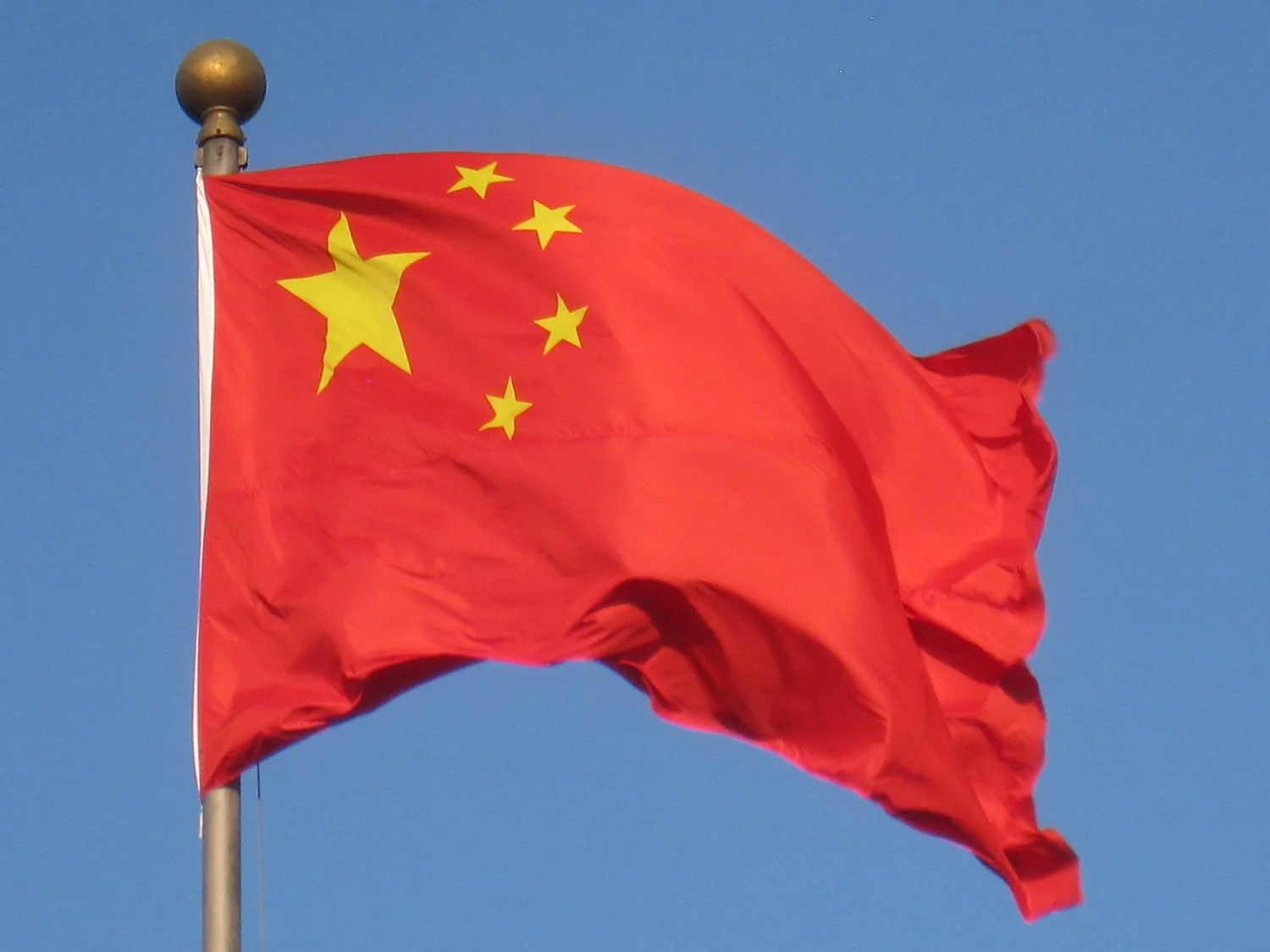
The Chinese government has issued a scathing rebuke of the United States following the coordinated military strikes in Caracas that led to the capture of President Nicolás Maduro and his wife, Cilia Flores. In a formal statement released Saturday by the Ministry of Foreign Affairs, Beijing characterized the operation as a “shocking” violation of international law and a direct assault on the sovereignty of a nation-state. This diplomatic fallout marks a significant escalation in the already tense relationship between the two superpowers, as China moves to defend its most critical strategic ally in South America.
Beijing’s official position, signed by a Foreign Ministry spokesperson, slammed the use of force against a sitting head of state as “hegemonic behavior” that threatens the peace and security of the entire Latin American and Caribbean region. China’s response emphasized that the United States’ military actions undermine the core principles of the United Nations Charter. “China is deeply shocked and strongly condemns the blatant use of force against a sovereign state and action against its president,” the statement read, urging Washington to halt its “unilateral aggression” immediately.
The timing of the US strike has added a layer of diplomatic intrigue to the crisis. Just hours before the first explosions were heard near the Miraflores Presidential Palace, Maduro had hosted a high-level Chinese delegation led by Qiu Xiaoqi, the Special Representative on Latin American Affairs. During this final public meeting on Friday, both nations reaffirmed their deep economic ties, reviewing over 600 bilateral agreements and solidifying China’s role as the primary buyer of Venezuelan crude oil. Photos from the event showed a relaxed Maduro welcoming the diplomats with New Year’s greetings, seemingly unaware of the “Delta Force” operation already in motion.
China’s stake in the Venezuelan crisis is profoundly economic. As the largest importer of Venezuelan oil and a lender of nearly $67 billion in infrastructure loans over the past two decades, Beijing views the removal of the Maduro administration as a direct threat to its energy security and multi-billion-dollar investments. Analysts suggest that the capture of Maduro is not only a strike against the “Bolivarian” government but also a tactical maneuver by the Trump administration to dismantle Chinese financial lifelines in the Western Hemisphere.
In addition to its diplomatic protest, the Chinese Embassy in Caracas has issued an emergency security alert, advising its nationals and institutions to stay indoors and prepare for potential civil unrest. Beijing’s alignment with Russia, Brazil, and Colombia in calling for an urgent UN Security Council meeting signals a coordinated effort to challenge the legality of the US intervention. While the White House has framed the capture as a “liberation,” China’s stance frames it as a dangerous precedent that could destabilize global order and spark a prolonged regional conflict.
As the international community watches the unfolding drama in New York and Caracas, China has made it clear that it still recognizes the “Bolivarian leadership” and will continue to advocate for a solution that respects Venezuela’s right to self-determination. The capture of a president just hours after he shook hands with Chinese envoys has turned a regional crisis into a global standoff, with Beijing now at the forefront of the diplomatic resistance against what it calls “American state terrorism.”


