
NEWS
Pat Utomi Vows Drastic Governance Cost Cuts if Elected
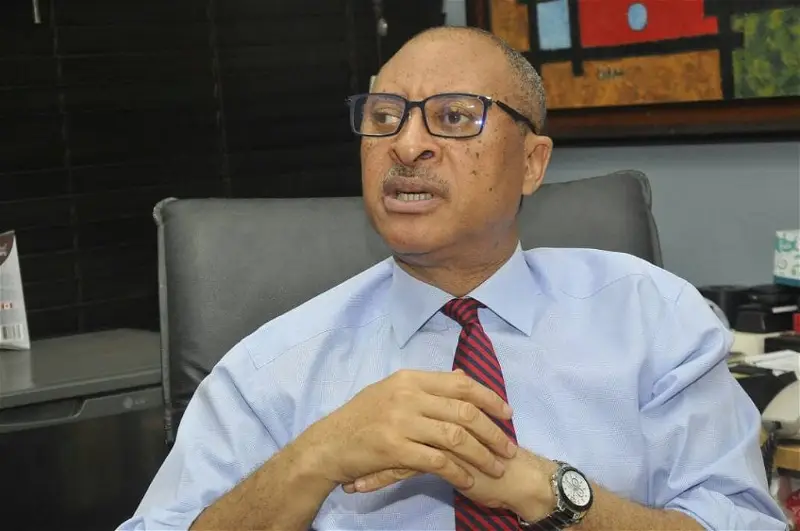
Renowned professor of political economy, Pat Utomi, has signaled a radical shift in Nigeria’s fiscal trajectory, pledging to aggressively dismantle the high cost of governance if he secures the presidency. Speaking on a recent episode of Sunday Politics, the academic-turned-politician articulated a vision centered on austerity at the top and productivity at the base. He argued that the current administrative structure is an unsustainable burden on a population already weathered by severe economic storms.
For Utomi, the optics and the reality of Nigerian governance are currently out of sync with the lived experience of the citizenry. He labeled the government’s present spending habits as illogical, particularly when contrasted with the crushing poverty and inflation affecting millions of households. His primary mission, he noted, would be to “dramatically slice” the expenses associated with running the Nigerian state, which he believes have long been prioritized over the welfare of the masses.
The core of Utomi’s argument rests on the belief that a government should not exist at the expense of its people. He pointed out that the overheads of the executive and legislative arms have become bloated, consuming a disproportionate share of the national budget. By reducing these costs, Utomi intends to redirect capital toward social safety nets and infrastructure that directly benefits the average worker.
Beyond simple belt-tightening, Utomi’s economic blueprint emphasizes a move away from a consumption-led economy toward one driven by production. He criticized the current administration’s lack of a robust industrial policy, noting that Nigeria is failing to capitalize on its inherent manufacturing and agricultural potential. He proposed deliberate industrial interventions designed to stimulate local production, create jobs, and reduce the country’s reliance on expensive imports.
Taxation remains a contentious issue in Nigerian politics, and Utomi took the opportunity to clarify his position on the matter. While he supports the principle of tax reform, he expressed a deep-seated concern regarding how those revenues are managed. He insisted that tax reforms must not be viewed by the state as a blank check for reckless spending. Instead, he envisions a system where every naira collected is tracked and utilized for developmental purposes rather than administrative luxury.
To ensure these changes are permanent and not subject to the whims of successive leaders, Utomi is advocating for significant constitutional reforms. He believes that the law of the land should include specific limits on government expenditure. By embedding fiscal discipline into the constitution, he hopes to create a legal framework that mandates a balanced budget. This, he argues, would prevent the government from borrowing excessively to fund non-productive ventures.
Utomi also touched upon the necessity of transparency in revenue management. He suggested that the lack of accountability in how oil and tax revenues are dispersed is a primary driver of the nation’s debt crisis. His approach involves a more prudent management of the treasury, ensuring that the government lives within its means. This “common sense” approach to economics, he believes, is the only way to restore investor confidence and stabilize the national currency.
The professor’s rhetoric reflects a growing sentiment among Nigerians who feel that the political class is insulated from the economic hardships they legislate. Utomi’s platform seeks to bridge this gap by enforcing a “servant-leader” model where the presidency sets the example for sacrifice. He maintains that if the leadership can prove it is willing to cut its own costs, the public will be more likely to trust the government’s broader economic reforms.
As the political landscape continues to evolve, Utomi’s focus on industrial policy and fiscal restraint serves as a critique of the status quo. He remains adamant that Nigeria’s path to recovery does not lie in more taxes or more debt, but in a leaner, more efficient government that prioritizes the factory floor over the government villa. For him, the survival of the Nigerian state depends on its ability to stop spending money it doesn’t have and start producing goods the world wants to buy.