
NEWS
SEC Mandates Massive Capital Hike for Market Operators to Bolster Financial Stability
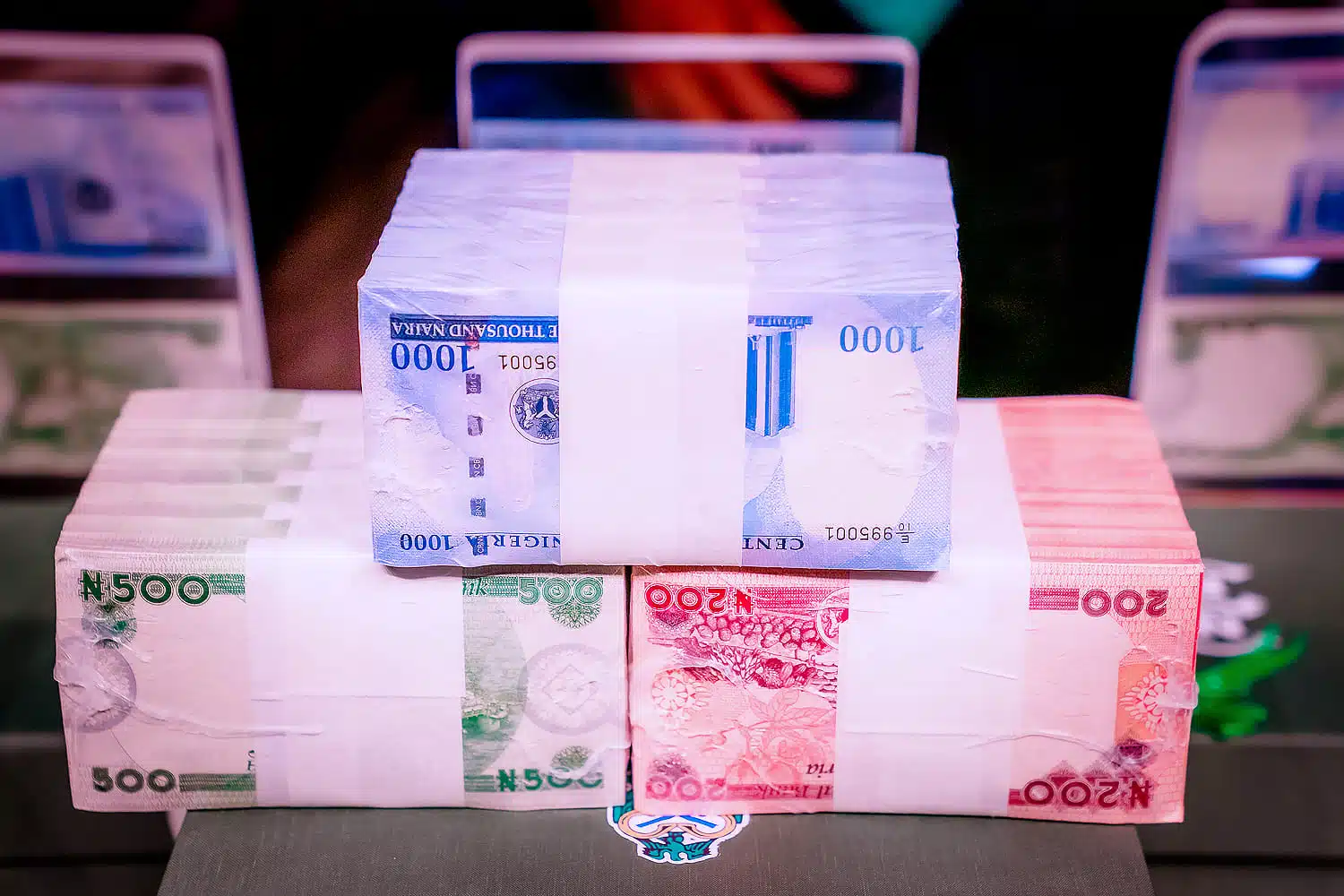
The Securities and Exchange Commission has officially announced a sweeping overhaul of the minimum capital requirements for all categories of capital market operators across the nation. In a decisive move aimed at fortifying the Nigerian financial landscape, the commission revealed that the capital base for various market participants will see astronomical increases. This regulatory shift is designed to ensure that the institutions managing investor funds possess the financial depth required to withstand global economic shocks and local market volatility.
According to a detailed statement released by the commission on Friday, the financial threshold for Tier 2 issuing houses with underwriting capabilities has been raised from a previous ₦200 million to a staggering ₦7 billion. Similarly, the capital requirement for trustees has been hiked to ₦2 billion, representing a significant jump from the previous ₦300 million requirement. These changes reflect a new era of stringent oversight as the regulator moves to professionalize the sector and weed out undercapitalized entities.
The commission explained that this upward review was primarily informed by an urgent need to strengthen market resilience and enhance the overall protection of domestic and international investors. By raising the entry and operational barriers, the regulator intends to ensure that only robust and well-capitalized firms remain active in the Nigerian capital market. This strategy is expected to build public confidence, which has occasionally been shaken by the insolvency of smaller, less stable operators in previous years.
Market stakeholders have been given a clear timeline for these changes, as the commission confirmed that operators have until June 2027 to achieve full compliance. This window is intended to allow firms to explore various options for recapitalization, including rights issues, private placements, or potential mergers and acquisitions. Industry analysts suggest that this deadline will likely trigger a massive wave of consolidation within the financial services sector as smaller firms struggle to meet the multi-billion naira targets.
The new requirements are not limited to traditional players but will apply universally across all categories of market operators regulated by the commission. Affected firms are expected to demonstrate consistent progress toward meeting these revised thresholds well before the June 2027 cutoff. The SEC has emphasized that failure to comply within the stipulated timeframe will result in the immediate revocation of operating licenses, as the commission looks to maintain a lean and effective market environment.
Beyond simple stability, the regulatory body noted that these requirements aim to promote long-term market sustainability and mitigate systemic risks that could lead to a financial contagion. By ensuring that operators are heavily capitalized, the commission is effectively creating a buffer against the failure of any single large entity. This proactive approach is seen as an essential step in aligning the Nigerian capital market with international best practices and global regulatory standards.
The commission further highlighted that the new capital regime is designed to support innovation and the orderly development of emerging market segments. This includes the rapidly growing digital assets space and the expanding commodities markets. As Nigeria positions itself as a hub for financial technology and virtual assets, the SEC believes that high capital requirements will ensure that operators in these volatile sectors have the “skin in the game” necessary to operate responsibly.
In its official circular, the commission clarified the wide reach of this new policy, noting that it applies to both core and non-core capital market operators. The list of affected entities is extensive, covering market infrastructure institutions, capital market consultants, and financial technology operators. This wide-reaching net ensures that no corner of the financial ecosystem is left vulnerable to undercapitalization or administrative fragility.
Furthermore, the policy specifically targets Virtual Asset Service Providers and commodity market intermediaries, signaling the government’s intent to bring the “crypto” and “fintech” worlds under the same rigorous standards as traditional banking and investment houses. This move is expected to attract more institutional investors who have previously been wary of the perceived lack of regulation and capital depth in the Nigerian digital asset space.
Economists have noted that while the jump from ₦200 million to ₦7 billion is historic in its scale, it is a necessary evolution for a market that seeks to compete on the global stage. The increased liquidity within these firms is expected to provide them with the capacity to handle larger transactions and underwrite significant infrastructure projects. This, in turn, could lead to a more vibrant primary market where the government and private corporations can raise the massive sums needed for national development.
The SEC’s announcement comes at a time when the Nigerian economy is undergoing significant structural reforms, and the financial sector is being looked upon to lead the recovery. By ensuring that the “engine room” of the economy—the capital market—is powered by well-funded institutions, the commission is laying the groundwork for a more transparent and efficient investment climate. The focus remains on creating a market that is not only profitable for operators but safe for the average Nigerian saver.
As the June 2027 deadline approaches, the financial industry is expected to witness a period of intense activity as boards of directors and shareholders deliberate on the best path forward. For many, the choice will be between seeking fresh capital injections or joining forces with larger competitors to survive the new regulatory landscape. Regardless of the individual outcomes for these firms, the SEC has made its message clear: the era of low-capital operations in Nigeria’s financial heart is officially over.