
Politics
Oborevwori Breaks Silence: “The Money Is There, Stop Hiding the Truth”
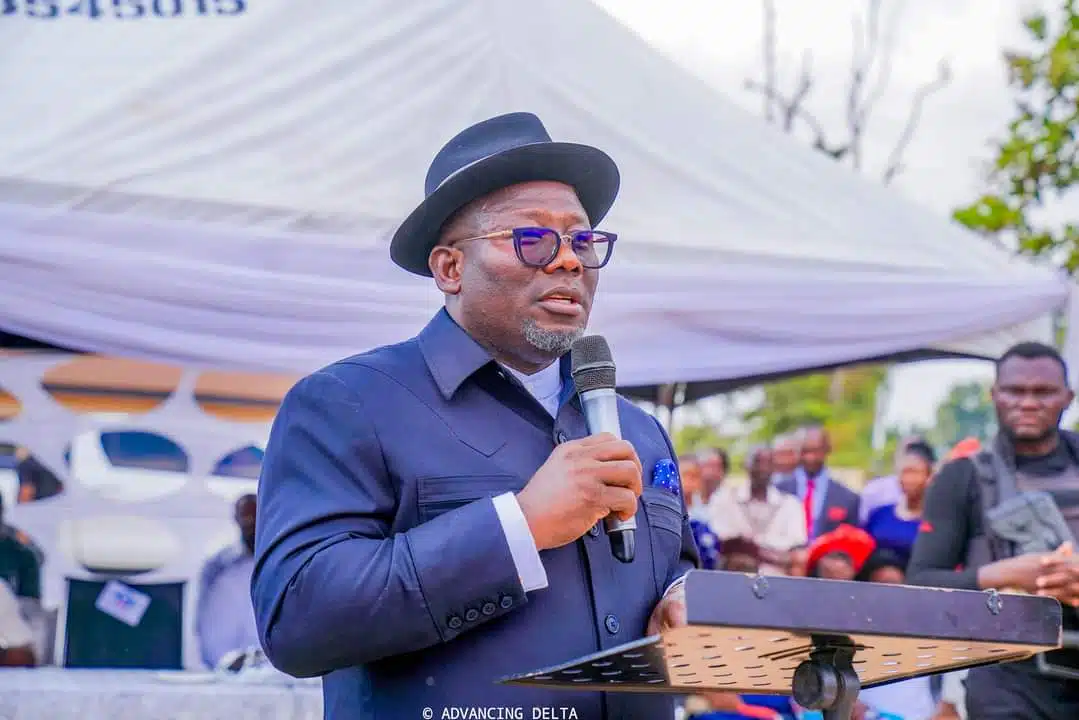
In a rare and provocative moment of candor, Delta State Governor Sheriff Oborevwori has shattered the narrative of fiscal distress among Nigeria’s sub-nationals, revealing that state governments are currently enjoying a historic surge in federal allocations. Speaking during the groundbreaking ceremony for the ₦39.3 billion Otovwodo Flyover in Ughelli on Monday, January 12, 2026, the Governor challenged his colleagues across the federation to be transparent with their citizens, insisting that there is no longer any justification for claims of financial incapacity.
“I am not a governor who will hide it; there is money,” Oborevwori declared to the cheering crowd, directly addressing the long-held suspicion that state executives often downplay their receipts from the Federation Account Allocation Committee (FAAC). He urged other governors to translate these improved revenues into tangible infrastructure and better living conditions, rather than concealing the financial reality from a public grappling with high living costs. His comments come on the heels of data from the Nigerian Extractive Industries Transparency Initiative (NEITI), which confirmed that FAAC disbursements hit a record ₦6 trillion in the third quarter of 2025 alone.
The Governor’s revelation provides a stark look at the post-subsidy fiscal landscape of 2026. According to recent reports, statutory allocations to states have more than doubled over the last two years, bolstered by exchange rate gains and stabilized oil production. Oborevwori’s own ₦1.729 trillion 2026 budget—aptly tagged the “Budget of Accelerating the MORE Agenda”—allocates a staggering 70 percent to capital expenditure, a move he says is only possible because the “money is coming from somewhere” and is being managed with accountability.
The Otovwodo Flyover, awarded to construction giant Julius Berger, is a flagship example of this newfound fiscal confidence. The project aims to provide a permanent solution to the notorious gridlock at the Ughelli junction, a critical artery on the East-West Road that connects Warri, Asaba, and Port Harcourt. Oborevwori, who confessed to having personally sat in the junction’s traffic for hours in the past, emphasized that his administration is already funding the project through its improved FAAC inflows without resorting to external borrowing.
Beyond the brick and mortar, Oborevwori’s speech was a direct call for a new social contract in Nigeria. By publicly acknowledging the “billions” flowing into state coffers, he has effectively raised the bar for governance and transparency across the 36 states. He maintained that when people see their resources being utilized for transformative projects like the Ughelli flyover—which is expected to be completed within a non-negotiable 12-month window—public confidence in the democratic process is restored.
As the 2026 fiscal year unfolds, Oborevwori’s “transparency challenge” is likely to put other state executives on the defensive. While some regions continue to cite “meager resources” as the reason for delayed projects or unpaid benefits, the Delta Governor’s stance suggests that the era of hiding behind federal “shortfalls” is over. For the people of Delta and Nigeria at large, the message is clear: the resources are available, and the only remaining variable is the political will to spend them on the people.


