
Politics
The Godfather’s Platform: Fayose Questions Fubara’s Political Authority
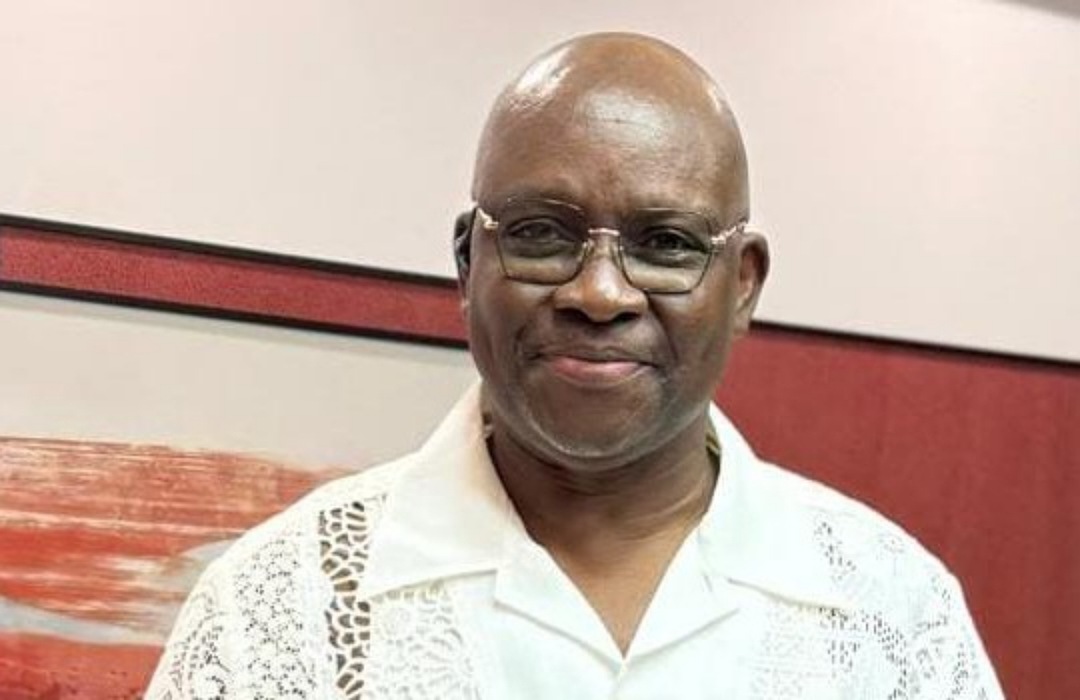
The escalating civil war within the Rivers State political landscape took a sharper turn on Tuesday, January 13, 2026, as former Ekiti State Governor Ayodele Fayose launched a stinging critique of Governor Siminalayi Fubara’s conduct. During a high-stakes interview on Arise Television, Fayose—a man no stranger to political firestorms—interrogated the legitimacy of Fubara’s newfound defiance against his predecessor and benefactor, Nyesom Wike. The veteran politician questioned the governor’s adoption of the “001” moniker, a title signifying ultimate authority, arguing that Fubara’s current stature is entirely a product of Wike’s political machinery.
Fayose’s intervention comes at a perilous time for the Rivers State executive, as the House of Assembly has formally reignited impeachment proceedings against the governor. The former Ekiti governor did not mince words, describing the rift as a “sad narrative” of a protege attempting to erase the history of his own ascension. He reminded the public that just three years ago, the name “Fubara” held no political weight in the national or even state consciousness, asserting that without Wike’s deliberate handpicking, the governor would still be in relative obscurity.
Drawing from his own experiences in the corridors of power, Fayose made a distinction between the legal “office” of the governor and the political “nomenclature” of leadership. He noted that while Fubara sits in the governor’s chair, the title of “001”—the ultimate leader—was a gift of the platform provided by Wike. “Who gave you the platform to be calling yourself 001?” Fayose queried, suggesting that Fubara’s attempt to struggle for the “streets” against his mentor is a tactical and moral error.
The former governor used a poignant Yoruba-inspired proverb to drive home his point on gratitude and political life. He explained that in traditional wisdom, the person who “prevents you from dying” or gives you the “life” of a career is the father of the person who merely gives you wealth. By this logic, Fayose argued that Wike, as the architect of Fubara’s political life, deserves a level of reverence that transcends modern administrative titles. He warned that if a politician refuses to humble themselves and seek peace, they are destined to run “helter-skelter” when the structure eventually collapses around them.
Fayose also pointed to other states to illustrate the benefits of “political humility.” He cited the relationship between Kogi State Governor Usman Ododo and his predecessor, Yahaya Bello, as a model of loyalty that maintains state stability. Similarly, he praised Ekiti State Governor Biodun Oyebanji for his wisdom in managing relationships with former leaders. For Fayose, Fubara’s current path is not just a personal betrayal but a threat to the administrative continuity of Rivers State, which he claims was already saved once by a presidential declaration of emergency rule in 2025.
The critique extended to the reality of power dynamics within the presidency. Fayose asserted that President Bola Tinubu—a man he claims “controls Lagos from the palm of his hands”—would never sacrifice a loyal and performing ally like Wike for a newcomer like Fubara. He highlighted Wike’s ongoing transformation of the Federal Capital Territory as a “blindly obvious” success that cements his value to the current administration. In Fayose’s view, the President values loyalty and performance over the formal grievances of a governor who has “refused to look for peace.”
As the Rivers State Assembly moves forward with allegations of “gross misconduct” and extra-budgetary spending against Fubara, Fayose’s words serve as a stark reminder of the “godfather” factor in Nigerian politics. He advised the governor to stop contesting Wike’s leadership and instead focus on managing the situation with the humility required of a political son. The interview ended with a chilling warning: those who support Fubara today out of convenience will be the first to vanish if he is eventually “down.”
The drama in the Garden City continues to serve as a litmus test for political loyalty in the Fourth Republic. With the PANDEF peace committee currently racing against a 14-day ultimatum to resolve the crisis, the question remains whether Governor Fubara will heed Fayose’s call for a retreat. For now, the “001” title remains a point of bitter contention, symbolizing a deeper struggle for the soul and resources of one of Nigeria’s most critical economic hubs.


