
Politics
Kano Assembly Urges Governor’s Exit to Avoid Judicial Collapse
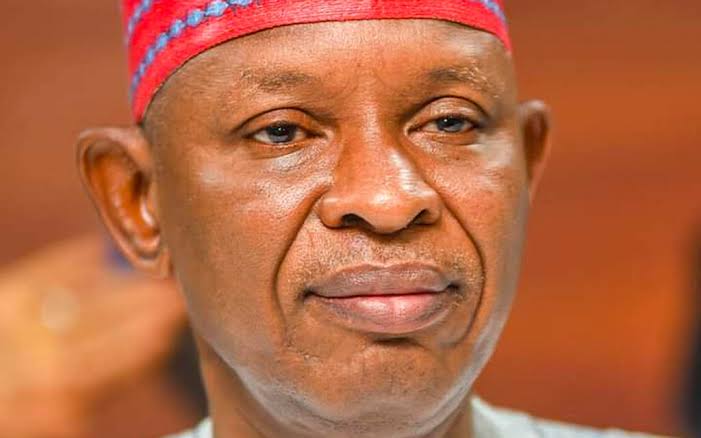
The political landscape in Kano State is currently witnessing a seismic shift as the State House of Assembly has formally thrown its weight behind a proposed defection by Governor Abba Kabir Yusuf. This move signals a potential divorce between the Governor’s administration and the New Nigeria People’s Party (NNPP), the platform that brought him to power in a hard-fought election. The lawmakers are not just suggesting a move; they are sounding a loud alarm, claiming that the internal rot within the party has become a ticking time bomb for their collective political survival.
Majority Leader Lawan Hussaini recently laid bare the Assembly’s anxieties during a press briefing that has since sent shockwaves through the state. According to Hussaini, the NNPP is no longer a safe harbor for the governor’s mandate. He pointed to a labyrinth of leadership tussles and a barrage of conflicting court cases that have left the party’s legal standing in a state of precarious limbo. For the lawmakers, the fear is not just about internal friction but about a total judicial wipeout that could see their electoral victories invalidated.
The ghost of the 2019 Zamfara State legal disaster looms large over the Kano Assembly. Hussaini specifically referenced that historical precedent, where the Supreme Court sacked all elected officials of the All Progressives Congress because of faulty primary elections and internal factionalism. The Kano lawmakers fear that the current factional battles within the NNPP could lead a judge to rule that their nominations were invalid from the start. In such a scenario, the votes cast for them would be declared wasted, potentially handing the state back to their rivals on a silver platter.
There is already a subsisting court judgment recognizing a specific faction of the NNPP, which complicates the legitimacy of the current state leadership. This legal quagmire has prompted the Assembly to initiate high-level consultations with both Governor Yusuf and the national leader of the Kwankwasiyya movement, Senator Rabiu Musa Kwankwaso. The goal is to orchestrate a strategic and timely exit to a more stable political environment, with the All Progressives Congress being openly discussed as a primary destination.
However, the path to defection is fraught with personal and political tension. Senator Kwankwaso, the ideological father of the movement, has reacted to the whispers of betrayal with uncharacteristic sternness. While not explicitly naming the Governor, Kwankwaso recently addressed his followers with a chilling warning about the price of defection. He suggested that those planning to leave are likely being enticed by “goods” or financial incentives, and he demanded that they pay back the labor and investment the movement put into their careers before they cross the fence.
Kwankwaso’s rhetoric has shifted from political mentorship to a stern lecture on the consequences of betrayal. He warned that the label of a “betrayer” is a stain that follows a politician’s family and lineage for generations. His remarks suggest a deep-seated frustration with the shifting loyalties within his camp, reminding those who seek greener pastures that many who left the Kwankwasiyya fold in the past have ended up in political obscurity, haunted by regret during lonely hours of reflection.
Parallel to this drama is a brewing war between the NNPP’s national leadership and the judiciary. The party’s National Working Committee, which remains loyal to Kwankwaso, recently dismissed a court order from a Kano High Court that attempted to reinstate dissolved state executives. The party’s spokesperson, Ladipo Johnson, described the court’s intervention as a farce and a street rumor. The party maintains that the judiciary has no business interfering in the internal administration of a political organization, a stance that sets the stage for a constitutional showdown.
The National Working Committee is adamant that the dissolution of the Kano State, local government, and ward executives is final and legally binding. They have even threatened to take their grievances to the National Judicial Council if they find evidence of judicial overreach. This defiance, while bold, only adds to the atmosphere of instability that the state lawmakers are trying to escape. The more the party fights itself in court, the more the Governor’s supporters feel they are standing on sinking sand.
As it stands, Kano is watching a high-stakes game of political chess. On one side, the lawmakers are prioritizing the security of their mandates and the stability of the state government. On the other, the Kwankwasiyya leadership is fighting to maintain discipline and loyalty within its ranks. Governor Yusuf remains the central figure in this tug-of-war, caught between the legal pragmatism of his Assembly and the moral and political demands of his mentor.
The coming weeks will likely determine whether the NNPP remains a viable force in Kano or if it will be hollowed out by a mass exodus to the APC. If the Governor chooses to jump ship, it could redraw the political map of Northern Nigeria ahead of the next general elections. For now, the “Zamfara ghost” continues to haunt the corridors of power in Kano, driving a wedge between former allies and forcing a radical rethink of political survival.