
NEWS
Kogi Assembly Approves 2026 ‘Budget of Shared Prosperity’
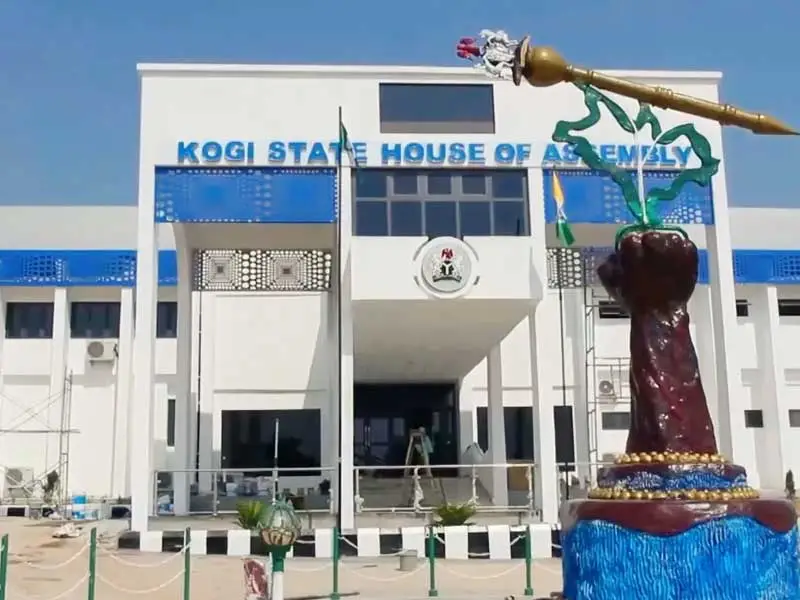
The legislative corridors of Lokoja buzzed with a sense of finality this Wednesday as the Kogi State House of Assembly officially passed the 2026 Appropriation Bill into law. This decisive legislative action follows weeks of rigorous scrutiny, heated budget defense sessions, and an unprecedented level of public engagement aimed at ensuring the state’s fiscal roadmap aligns with the immediate needs of its citizens. The passage marks a significant milestone for the administration of Governor Ahmed Usman Ododo, providing the legal framework necessary to kickstart a developmental agenda themed around “Shared Prosperity for Sustainable Development.”
According to Mr. Olawumi Jacob, the Chairman of the House Committee on Budget Monitoring and Appropriation, the journey to this moment was characterized by a commitment to transparency and inclusivity. Speaking to journalists shortly after the gavel fell, Jacob detailed a process that began with the Governor’s formal presentation and moved swiftly into the hands of the people. Unlike previous fiscal years, the 2026 budget underwent a robust public hearing phase, allowing civil society organizations, community leaders, and everyday stakeholders to dissect the state’s financial priorities before a single naira was approved.
This participatory approach was not merely symbolic. Jacob noted that the recommendations gathered from these public sessions were taken into technical committee rooms, where lawmakers worked to factor in the concerns of the populace. Following the public hearings, the House transitioned into the intense “defense” stage. During this period, commissioners and heads of various Ministries, Departments, and Agencies (MDAs) were summoned to justify their proposed allocations. These sessions served as a grueling test of accountability, with lawmakers demanding clear links between requested funds and tangible service delivery.
The legislative scrutiny was particularly focused on sectoral allocations, with the House making what Jacob described as “necessary adjustments” to ensure that the budget remained efficient and goal-oriented. The goal was to eliminate waste while bolstering sectors that directly impact the quality of life in Kogi State. By the time the committee report was laid before the floor of the House on Wednesday, the document had been refined to reflect a balance between the executive’s vision and the legislature’s oversight responsibilities.
One of the key messages emphasized by the Committee Chairman was the binding nature of the newly passed law. Once an appropriation bill receives the legislative nod and is signed, it transforms from a mere proposal into a rigid legal document. Jacob reminded the executive and the public alike that nothing can be added to or subtracted from the budget once it becomes law. This rigidity is intended to prevent the unauthorized diversion of funds and to ensure that the “Shared Prosperity” promised in the budget’s theme is delivered exactly as planned.
The 2026 budget is being hailed by the Assembly as a “people-oriented” document. Lawmakers have expressed confidence that the strategic investments contained within the bill will touch every corner of the state, from the urban centers to the most remote rural communities. By focusing on sustainable development, the Assembly aims to move beyond temporary fixes, instead funding projects that provide long-term economic stability and social growth for the people of Kogi.
The atmosphere in the Assembly reflected a “win-win” sentiment for the entire state. There is a palpable sense of optimism that the early passage of the budget will allow for a seamless transition into the new fiscal year, avoiding the delays that often hamper government projects. The legislative process has now paved the clear way for the implementation phase, placing the ball back in the court of the executive branch to turn these figures into reality.
As Kogi State prepares for the 2026 fiscal year, the focus will inevitably shift toward monitoring and evaluation. The House of Assembly has signaled that its job does not end with the passage of the bill; rather, it is just beginning. With the legal framework in place, the challenge now lies in ensuring that the “Budget of Shared Prosperity” actually reaches the pockets and doorsteps of the residents it was designed to serve.