
METRO
Tragedy Strikes as Kebbi Rice Mill Structure Fails
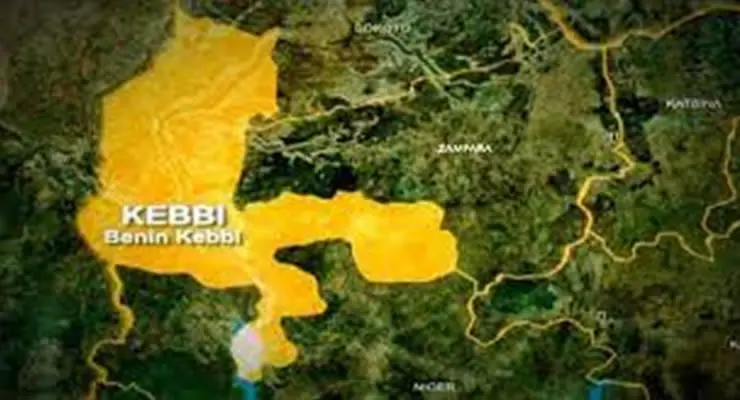
The quiet industrial rhythm of Birnin Kebbi was shattered this week by a catastrophic structural failure at a major private rice mill, leaving a trail of grief and a desperate race against time. One worker has been confirmed dead following the collapse of a section of the NIA-AGRI rice mill, an incident that has once again cast a somber light on industrial safety standards within the region’s growing agricultural sector. As the dust settled over the mangled steel and debris, the grim reality emerged that five other employees remained pinned beneath the wreckage, their fates hanging in the balance as rescue teams scrambled to reach them.
The collapse occurred with sudden and devastating force, turning a routine shift into a scene of chaos and communal mourning. Witnesses described a harrowing environment where the skeletal metal frame of the facility buckled, trapping those working beneath it before they could find an exit. The immediate aftermath saw a surge of emergency responders arriving at the facility, located in the heart of the Kebbi State capital, as the scale of the disaster became apparent to local authorities and the management of the private firm.
By Tuesday evening, the atmosphere at the NIA-AGRI site remained tense and heavy with anticipation. The rhythmic sound of heavy machinery and the shouts of rescue workers filled the air as a combined team from the Kebbi State Fire Service and various government emergency agencies worked tirelessly to peel back the layers of twisted metal. Every hour that passed without a breakthrough added to the palpable anxiety of the families gathered outside the gates, waiting for any word on the five individuals still missing within the belly of the collapsed structure.
The gravity of the situation prompted an immediate high-level intervention from the state government. Deputy Governor Senator Umar Abubakar Tafida led a delegation of top officials to the site for an on-the-spot assessment of the damage. Standing amidst the ruins, the Deputy Governor received a briefing from the lead project engineer, who confirmed the single fatality and the ongoing struggle to locate the remaining five workers. The visit was intended not just for oversight, but to ensure that every available state resource was being funneled into the rescue mission.
While the primary focus remains on the preservation of life, the question of “how” looms large over the facility. The NIA-AGRI mill is a significant player in the state’s drive for food security, making the sudden failure of its infrastructure both a human tragedy and a blow to the local economy. At this stage, the specific cause of the structural failure remains a mystery. Engineers and safety inspectors have been hesitant to offer premature theories, though the sheer scale of the metal collapse suggests a significant compromise in the integrity of the building’s design or its load-bearing capacity.
Senator Tafida addressed the media and the gathered staff with a somber resolve, making it clear that the state would not let the incident pass without a thorough reckoning. He announced that a comprehensive and transparent investigation would be launched the moment the rescue operations concluded. This probe is expected to examine the quality of materials used in the construction, the adherence to safety protocols, and whether the facility had undergone the necessary professional inspections required for heavy industrial operations.
The Kebbi State Government has since released an official statement expressing deep sympathy for the management and staff of NIA-AGRI. The government’s message emphasized a commitment to the “human element” of the tragedy, pledging that the state would stand by the families of the deceased and the trapped victims. This support includes the continuous deployment of emergency personnel who have been working in shifts to ensure that the search does not stop for a single moment until every person accounted for is brought out of the wreckage.
In the broader context of Nigeria’s agricultural revolution, the Kebbi incident serves as a stark reminder of the risks inherent in rapid industrial expansion. As private entities rush to meet the rising demand for locally processed rice, the pressure on infrastructure can sometimes outpace the rigors of safety oversight. This tragedy at NIA-AGRI will likely spark a wider conversation across the state regarding the monitoring of private industrial sites and the necessity of stringent building codes to prevent such preventable losses of life in the future.
For now, the city of Birnin Kebbi waits with bated breath. The floodlights at the mill remain on through the night, illuminating the silhouettes of rescue workers who refuse to give up hope. Each piece of metal moved and each bucket of debris cleared is a step closer to providing closure for the families involved. The community remains united in prayer, hoping for a miracle for the five souls still caught in the darkness beneath the steel, while mourning the colleague who will not be returning home.