
Sports
Unsung Hero: Babayaro Blasts Critics and Defends Iwobi’s Vital Role
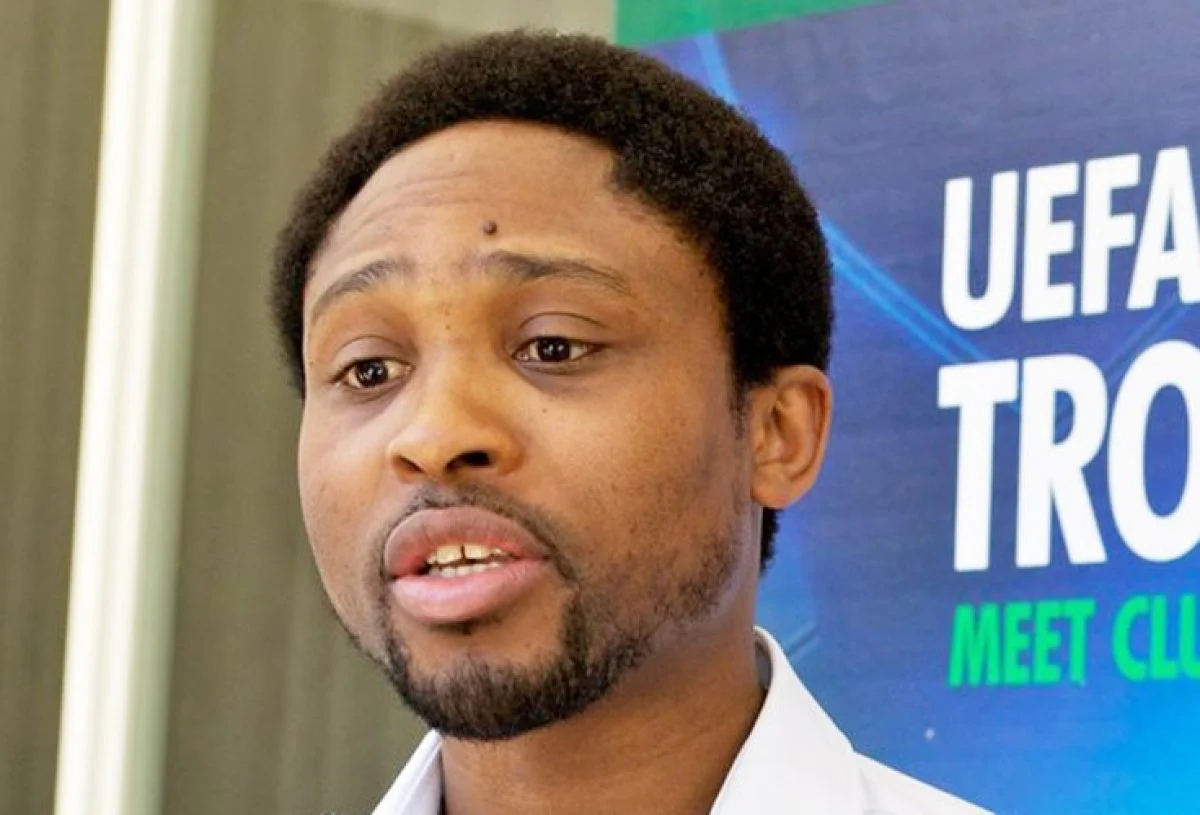
In the high-pressure cauldron of the Africa Cup of Nations, where every pass is scrutinized and every mistake amplified, former Nigeria U23 goalkeeper Emmanuel Babayaro has stepped forward to mount a fierce defense of Alex Iwobi. Amidst a wave of public skepticism and biting commentary from pundits, Babayaro is calling for an end to what he describes as “nasty” and unfair treatment of the Fulham midfielder. The former Olympic champion believes the Nigerian public is overlooking the tactical brilliance of a player who serves as the invisible heartbeat of Eric Chelle’s squad.
Speaking during a recent episode of the ATHLST podcast, Babayaro expressed profound fascination and disappointment at the level of vitriol directed toward the former Arsenal star. For years, Iwobi has been a polarizing figure in the Super Eagles setup, often bearing the brunt of the fans’ frustration when the team fails to sparkle. However, Babayaro argues that this criticism is largely misplaced and fails to account for the technical heavy lifting Iwobi performs in the middle of the park.
The debate has intensified following Nigeria’s recent outing against Tanzania. While many fans were quick to point out perceived flaws in the team’s fluidity, Babayaro’s assessment of the match was vastly different. In his expert opinion, Iwobi was the standout performer on the pitch. Although the official accolades or the headlines might have gravitated toward others, the former goalkeeper insists that the England-born playmaker was the true architect of the team’s victory.
Babayaro admitted that while Semi Ajayi was a worthy contender for the spotlight—aided largely by the crucial goal he scored—it was Iwobi who provided the structural integrity needed to win. He described the midfielder as the “engine” of the current Nigerian team, a player whose stamina, positioning, and ball distribution allow the more flamboyant attackers to operate. Without Iwobi’s work rate, Babayaro suggests, the Super Eagles would lose their tactical balance entirely.
The criticism of Iwobi’s commitment has long been a talking point among the Super Eagles fanbase. Some supporters argue that his performances for the national team lack the same intensity seen in the Premier League. Babayaro, however, views this narrative as a fundamental misunderstanding of Iwobi’s role. He contends that the midfielder is often asked to do the “dirty work” and bridge the gap between defense and attack, a task that rarely earns the viral highlights fans crave but is essential for winning championships.
There is a sense of professional protective instinct in Babayaro’s defense. Having been part of Nigeria’s storied football history, he understands the psychological toll that relentless public bashing can take on a player’s morale. By labeling the comments against Iwobi as “nasty,” he is highlighting a toxic trend in sports discourse where players are dehumanized based on a single poor touch or a tactical instruction that the average viewer might not fully comprehend.
The timing of this defense is critical as Nigeria navigates a challenging AFCON campaign in Morocco. Under the guidance of Eric Chelle, the Super Eagles are attempting to find a consistent identity. Babayaro’s intervention suggests that Iwobi is central to this identity, acting as the pivot through which the coach’s instructions are translated into action. To undermine Iwobi, in Babayaro’s view, is to undermine the very foundation of the team’s current strategy.
Furthermore, the veteran goalkeeper is calling for a more nuanced appreciation of football intelligence over raw physicality or individual showmanship. He believes that Iwobi’s education in the Arsenal academy gave him a “European” tactical sense that is sometimes at odds with the more direct, physical expectations of African football fans. This cultural clash in playing styles, he argues, is why Iwobi is often the target of unfair comparisons and unrealistic expectations.
As the tournament progresses, the spotlight on the midfield will only grow brighter. Babayaro’s vocal support serves as a challenge to other pundits and fans to look closer at the “engine room” before casting stones. He insists that respect for Iwobi is long overdue and that the midfielder’s contributions are a primary reason why Nigeria remains a formidable force on the continent.
Ultimately, Babayaro’s message is one of solidarity and tactical clarity. He wants the “nasty” narratives silenced so the player can focus on the task at hand without the weight of unnecessary hostility. For the former goalkeeper, the math is simple: Iwobi is indispensable, he is the engine, and it is time for the Nigerian public to acknowledge the man who keeps the Super Eagles moving forward.