
NEWS
Enenche Backs US Missile Strikes on Terrorists, Slams Sympathizers
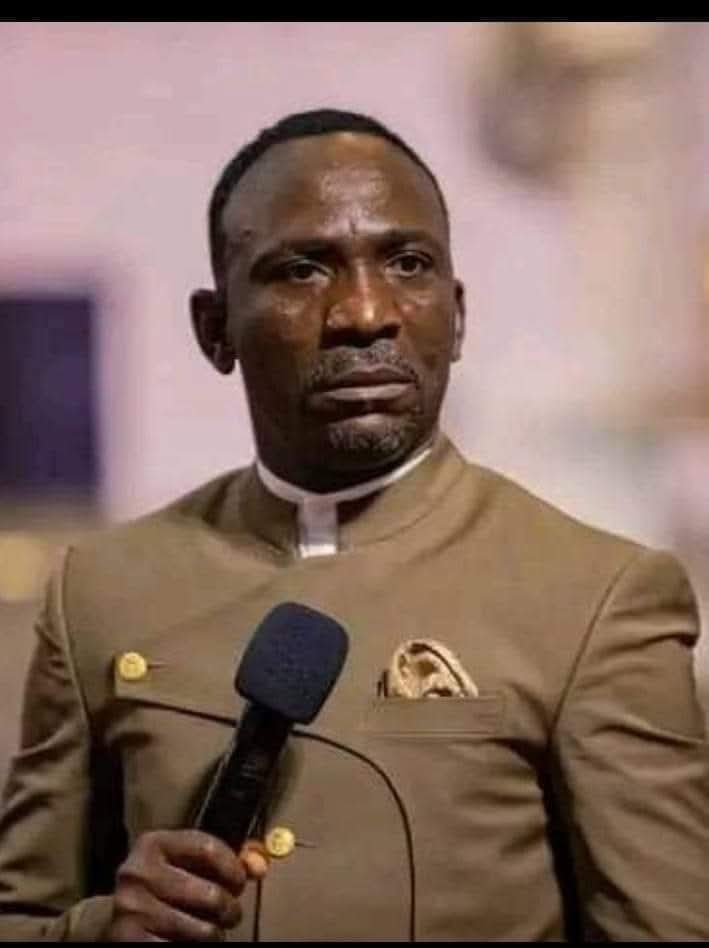
The religious and political landscape in Nigeria has been jolted by an unprecedented military intervention as Dr. Paul Enenche, the Senior Pastor of Dunamis International Gospel Centre, threw his full weight behind a recent United States military operation on Nigerian soil. Speaking to a packed auditorium in Abuja, the influential cleric expressed visceral satisfaction over the reported destruction of extremist strongholds, signaling a hardening stance against the insurgency that has plagued the nation’s northern corridors for over a decade.
The catalyst for Enenche’s fiery rhetoric was a high-stakes military strike conducted on Christmas night in Sokoto State. According to reports, the United States military, acting under the direct authorization of President Donald Trump and in strategic coordination with the Nigerian government, launched approximately 12 Tomahawk missiles at designated targets. The operation aimed to decapitate the leadership and infrastructure of Islamic extremists who have long used the remote border regions as a staging ground for terror.
Enenche, who has frequently used his pulpit to lament the persistent bloodshed and the displacement of thousands of innocent citizens, described the military action as a necessary and long-overdue intervention. He did not mince words when addressing the effectiveness of the strike, which reportedly neutralized scores of terrorists. For a man of the cloth who has often prayed for divine intervention in the country’s security woes, the arrival of American high-tech weaponry appeared to be an answered prayer in a very tangible, kinetic form.
The cleric’s message was particularly pointed when he addressed those who had previously boasted about resisting foreign military presence. He mocked the local elements and “jokers” who had threatened to fight back against international forces, challenging them to take on the invisible drones and precision missiles that have now entered the fray. This shift toward supporting foreign military intervention reflects a growing desperation among some segments of the Nigerian populace who feel that domestic efforts have been insufficient in stemming the tide of violence.
However, Enenche’s most controversial remarks were reserved for those he categorized as “terrorist sympathizers.” He issued a stern warning to anyone within the corridors of power or in the public sphere who advocates for, negotiates on behalf of, or sponsors extremist groups. In his view, the line between the perpetrator and the collaborator is non-existent. He argued that anyone speaking for a criminal is themselves a criminal, and those who defend terrorists should be subjected to the same lethal treatment as the insurgents on the battlefield.
This “no-mercy” doctrine marks a significant escalation in the public discourse surrounding counter-terrorism in Nigeria. By grouping negotiators and sponsors with the foot soldiers of terror, Enenche is pushing for a total cleansing of the support systems that allow these groups to survive. He expressed a grim expectation that the Christmas night strikes were merely the beginning, uttering the phrase “more to go” as a prophecy of further military action against terror cells and their silent backers.
The collaboration between the United States and Nigeria under the Trump administration for this specific operation suggests a new phase in international defense relations. While past administrations often hesitated to deploy such heavy ordnance on Nigerian territory due to human rights concerns or sovereignty issues, the Sokoto strikes indicate a pivot toward aggressive, technology-driven warfare. The use of Tomahawk missiles—sophisticated, long-range weapons—underscores the gravity with which the international community is now viewing the extremist threat in West Africa.
Enenche’s vocal support also serves to galvanize his massive following, potentially shifting public opinion in favor of more foreign military partnerships. He characterized the terrorists as “smokers” and “jokers” who are incapable of standing against modern global military standards. His rhetoric suggests that the spiritual community is increasingly looking toward modern military solutions to resolve a crisis that has defied traditional diplomacy and local military engagement for years.
The fallout from his sermon has already begun to stir debate regarding the ethics of such strikes and the legality of foreign missiles being used within sovereign borders. Yet, for Enenche and his congregants, the primary concern remains the cessation of the “senseless killings” of unsuspecting citizens. He remains adamant that the spiritual and physical eradication of these groups must occur “almost immediately” to save the nation from further collapse.
As the smoke clears from the Sokoto operation, the focus now shifts to how the Nigerian government and its international partners will sustain this momentum. Enenche’s “bad news” for terror sponsors serves as a stark warning that the veil of anonymity and the protection of high-level collaboration may be wearing thin. With the cleric calling for the same treatment for negotiators as for the terrorists themselves, the political stakes of the conflict have reached a fever pitch.
The intervention on Christmas night may well be remembered as a turning point in the war against extremism in the Sahel. Whether it leads to a lasting peace or a further escalation of regional tension remains to be seen, but for leaders like Paul Enenche, the sound of missiles in the night is a welcome herald of a possible end to the long years of domestic terror.

