
NEWS
Bauchi Finance Chief Faces N4.6bn Fraud Charges as Trial Looms
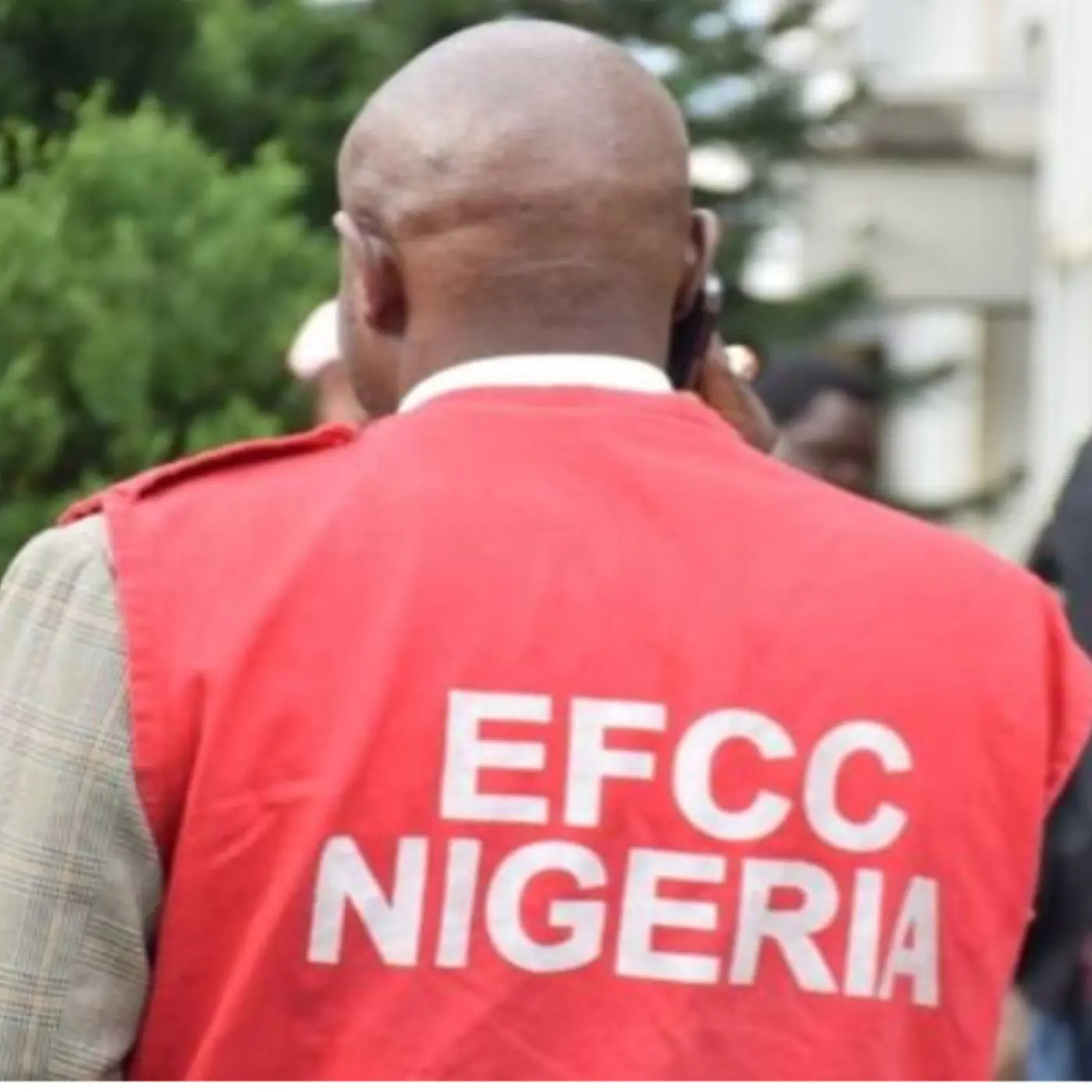
The political landscape of Bauchi State has been jolted by a high-stakes legal battle as the Economic and Financial Crimes Commission (EFCC) prepares to formally arraign the State Commissioner of Finance, Yakubu Adamu. In a case that has sent ripples through the corridors of power, Adamu is set to appear before Justice Emeka Nwite at the Federal High Court in Abuja this Wednesday to answer for a massive alleged money laundering scheme totaling N4.6 billion.
The arraignment, which also includes a corporate entity known as Ayab Agro Products and Freight Company Ltd as the second defendant, marks a significant escalation in the federal government’s anti-corruption drive within the sub-national governments. The six-count charge, marked FHC/ABJ/CR/694/2025, details a complex web of financial maneuvers that the anti-graft agency claims was designed to divert public resources into private pockets.
An initial attempt to begin the proceedings on Tuesday met a brief setback. The courtroom was ready, and a high-powered defense team led by the distinguished Senior Advocate of Nigeria, Chief Gordy Uche, was present and prepared to argue for their client. However, the absence of both the EFCC’s legal representative and the defendants themselves forced the hand of the court. Consequently, Justice Nwite moved the matter to Christmas Eve, December 24, 2025, for the formal plea.
The roots of the investigation trace back to the period between June and December 2023, during which Adamu served as a branch manager at Polaris Bank in Bauchi. According to court documents filed by the EFCC’s Samuel Chime, Adamu allegedly conspired with two other individuals who are currently at large—Ishaku Mohammed Aliyu, the Managing Director of Makayye Investment Resources Ltd, and Muntaka Mohammed Duguri.
The core of the prosecution’s case revolves around a massive credit facility of approximately N4.65 billion. The EFCC alleges that this astronomical sum was released by Polaris Bank under the official guise of financing a motorcycle supply contract for the Bauchi State Government. The contract was purportedly awarded to a firm identified as Emmanuel Asomugha General Enterprises, but investigators claim the reality was far different from the paperwork.
The anti-graft agency explicitly stated in the charge sheet that the motorcycles, which were the very basis for the multi-billion naira loan, were never actually supplied to the state government. Instead, the commission contends that the funds were systematically laundered through a series of transfers and concealment tactics, an act they say violates several sections of the Money Laundering (Prevention and Prohibition) Act of 2022.
A specific look into the sixth count of the charge reveals the alleged trail of the money. Prosecutors claim that Adamu and his associates facilitated the circulation of these funds through a network of third-party accounts and nominees. One of the most significant transfers highlighted in the court papers involves the sum of N165.9 million, which was allegedly funneled into the accounts of the second defendant, Ayab Agro Products and Freight Company Ltd.
The EFCC maintains that these transactions were not legitimate business deals but were carefully orchestrated to “clean” the proceeds of an unlawful act. The prosecution intends to prove that the defendants knowingly engaged in the conversion and use of these funds despite being aware of their illicit origin. The case represents a significant challenge for the Commissioner, who holds one of the most sensitive portfolios in the Bauchi State executive council.
As the legal teams prepare for the Christmas Eve showdown, the eyes of the public are fixed on the Federal High Court. The outcome of this arraignment could have far-reaching implications for the administration in Bauchi, especially regarding the management of state finances and the oversight of large-scale procurement projects.
Legal analysts suggest that the “at large” status of the other alleged conspirators adds another layer of complexity to the trial. The EFCC is expected to present a rigorous trail of bank statements and digital footprints to tie the Commissioner to the alleged infractions. For the defense, the priority will likely be challenging the direct link between the bank facility and the Commissioner’s current official duties.
The case serves as a stark reminder of the heightened scrutiny on public officials and their prior professional conduct. As the N4.6 billion fraud trial begins, it underscores the ongoing tension between financial transparency and the alleged abuse of office in Nigeria’s political sphere.