
NEWS
Ogoni Restoration Stays at Forefront of Federal Agenda
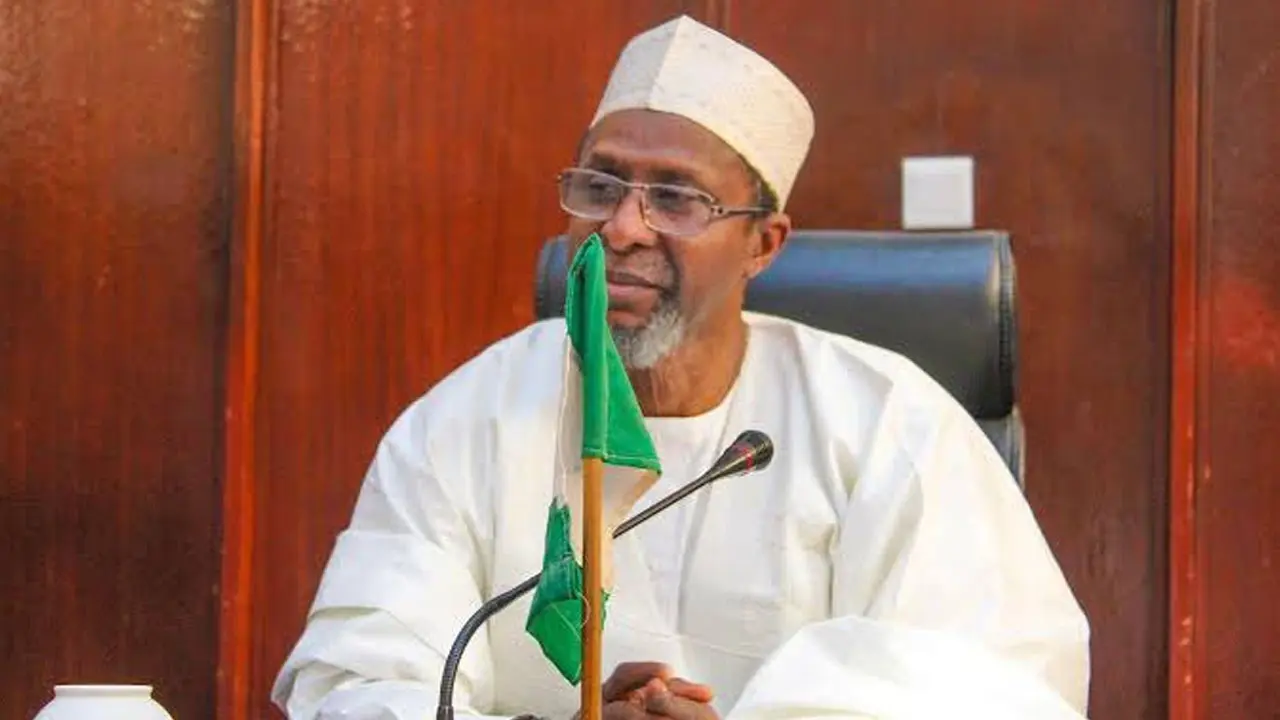
The Federal Government has once again placed the ecological and social restoration of Ogoniland at the center of its national strategy, signaling a renewed push to resolve decades of environmental neglect. Minister of Environment, Balarabe Lawal, provided this assurance during a high-powered diplomatic mission to the Rivers State Government House in Port Harcourt. The visit served as a platform to bridge the gap between state aspirations and federal execution in one of the world’s most sensitive oil-producing regions.
The delegation was not merely a symbolic gesture; it carried the weight of the Presidency’s top security and infrastructure chiefs. National Security Adviser Nuhu Ribadu led the group, which included Minister of Works David Umahi and the top leadership of the Nigerian National Petroleum Company Limited. This collective presence underscored the government’s belief that environmental stability in the Niger Delta is inextricably linked to national security and economic progress.
Minister Lawal emphasized that the cleanup is not just a peripheral project but a “top priority” that defines the ministry’s current mandate. He noted that the roadmap provided by the United Nations Environment Programme remains the gold standard for their operations. According to the Minister, the federal authorities are meticulously following the UNEP recommendations to ensure that the remediation is both scientifically sound and socially impactful.
The scope of the ongoing work extends far beyond simply removing oil from the soil. Lawal highlighted a multifaceted approach that includes the restoration of devastated mangrove forests, which are vital to the local ecosystem and the livelihoods of artisanal fishermen. He also pointed to the expansion of healthcare services specifically tailored to address the long-term medical issues faced by residents living in polluted environments.
Human capacity building and women’s empowerment programs have also been integrated into the cleanup framework. The Minister argued that environmental restoration is hollow if it does not leave the people with the skills and resources to thrive in a post-cleanup economy. By focusing on these social pillars, the government hopes to create a sustainable model of development that outlives the immediate remediation efforts.
Joining the conversation, the Nigerian National Petroleum Company Limited signaled a significant shift in its corporate philosophy regarding the region. Representing the national oil firm, Bayo Ojulari stated that the company is now “fully committed” to the ongoing Ogoni dialogue. This dialogue is seen as a crucial mechanism for rebuilding trust between a community that has felt exploited for generations and a corporation looking to modernize its operations.
In a statement that resonated with local leaders, Ojulari clarified that the current focus is not on the immediate extraction of crude oil. Instead, the NNPC’s primary objective in the short term is to improve the quality of life for the Ogoni people. This “people-first” approach marks a departure from historical tensions where oil activities were often prioritized over the well-being and safety of the host communities.
The backdrop of this visit is the complex and often contentious discussion regarding the resumption of oil exploration in Ogoniland. For over thirty years, the taps have been dry in this region following the withdrawal of major oil firms amidst massive civil unrest and environmental advocacy. While the Federal Government is eager to tap into the area’s vast reserves to boost national revenue, the wounds of the past remain deep and sensitive.
The government’s olive branch comes at a time when local rights groups and community activists remain highly skeptical. Many have voiced strong opposition to any talk of drilling, pointing out that large swaths of the land remain visibly stained by legacy spills. For these stakeholders, the promise of oil revenue cannot supersede the fundamental right to a clean and safe environment, a sentiment that has fueled the resistance for three decades.
By bringing the National Security Adviser and the Minister of Works into the heart of Port Harcourt, the administration is attempting to show that it views Ogoniland through a lens of holistic development. The inclusion of the Ministry of Works suggests that infrastructure—roads, bridges, and utilities—will be part of the “peace dividend” offered to the people in exchange for cooperation and long-term stability.
The visit to Governor Siminalayi Fubara’s administration was intended to synchronize state and federal efforts. The Rivers State government plays a pivotal role in mediating between the local communities and the federal center. Without the state’s active participation and the buy-in of the Ogoni traditional leadership, even the best-funded federal programs risk stalling in the face of local distrust.
As the meeting concluded, the message from the federal delegation was clear: the era of environmental silence is over. The government is betting that a transparent, UNEP-led cleanup, combined with genuine social investment, will eventually pave the way for a new chapter of economic partnership. For now, the focus remains on the soil, the water, and the health of the people who have waited thirty years for justice.