
Sports
CAF Overhauls AFCON to Four-Year Cycle Starting 2028
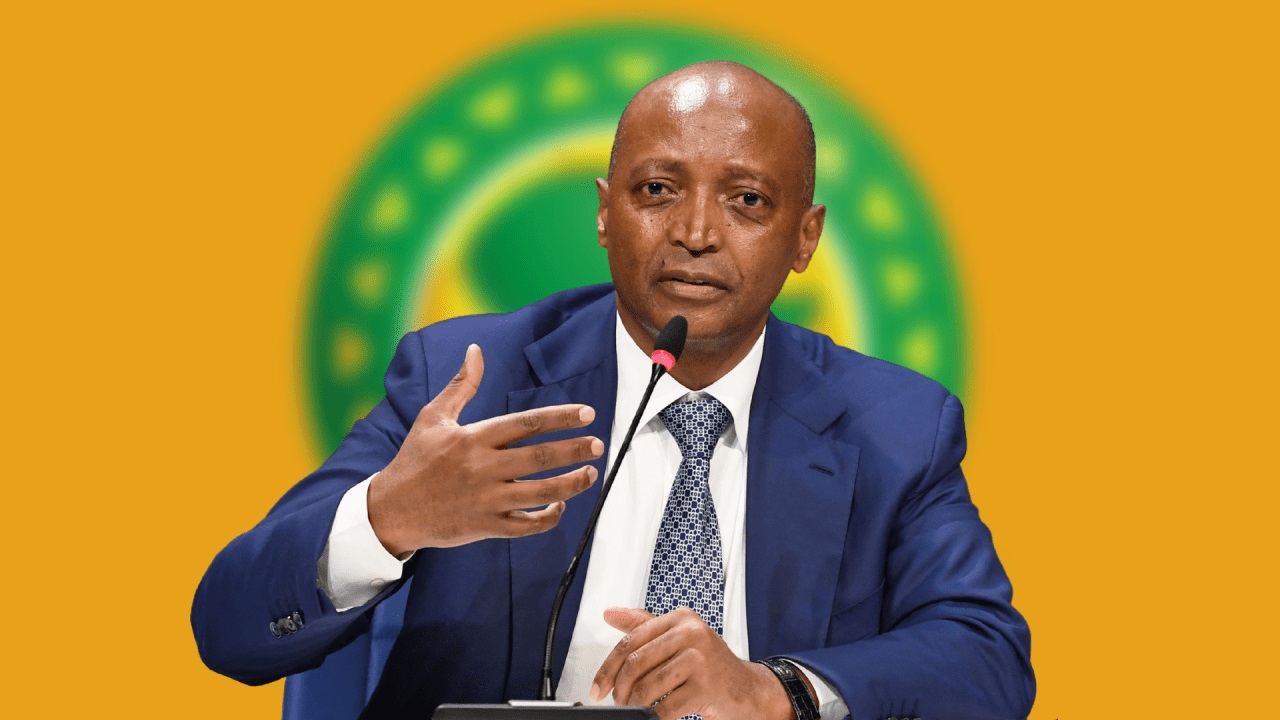
The landscape of African football is set for a monumental shift as the Confederation of African Football, CAF, has officially announced a move to a quadrennial format for its flagship tournament. This historic decision, revealed by CAF President Patrice Motsepe on Saturday, marks the end of a long-standing tradition that has defined the continent’s sporting pulse for over half a century. Starting from 2028, the Africa Cup of Nations will move away from its biennial schedule, aligning itself with the frequency of other major global tournaments like the FIFA World Cup and the UEFA European Championship.
For decades, the two-year cycle was a unique hallmark of African football, serving as a frequent showcase for the continent’s rising stars and established icons. Since 1968, fans across the globe have grown accustomed to the biennial rhythm of the competition. This frequency was often defended as a necessary tool for the rapid development of infrastructure across African nations. However, the modern demands of the global football calendar have prompted a radical rethink from the continent’s governing body, seeking a more sustainable path forward for the beautiful game.
The transition period will begin following the 2027 edition, which is slated to be hosted across East Africa. In a unique scheduling arrangement, a subsequent edition will be held in 2028 to act as the bridge into the new era. Once the 2028 trophy is hoisted, the competition will enter its new four-year rhythm. This strategic pause is intended to give host nations more time to prepare and to allow the tournament to breathe, potentially increasing its commercial value and prestige on the international stage.
Patrice Motsepe, speaking with a clear vision for the future, described the move as part of a “most exciting new structure” for the continent’s football operations. His rhetoric focused heavily on the concept of global integration. The CAF president emphasized that his primary mandate is to protect and promote the interests of African football, which increasingly requires a synchronized approach with the international match calendar. By moving to a four-year cycle, CAF aims to reduce the perennial friction between African national teams and European clubs over player release dates.
The traditional biennial format has long been a point of contention for major European leagues, where many of Africa’s top talents ply their trade. By harmonizing the schedule, CAF hopes to ensure that African players can represent their countries without the constant threat of club-versus-country disputes that have clouded previous tournaments. This “harmonization,” as Motsepe termed it, is seen as a vital step in elevating the status of African players within the global market, ensuring they are not disadvantaged by the frequency of their continental commitments.
Historically, the AFCON schedule has seen only minor interruptions. While the two-year rule remained firm since the late sixties, a notable exception occurred between 2012 and 2013. During that period, the tournament was moved from even-numbered years to odd-numbered years to avoid clashing with the FIFA World Cup. That brief one-year gap was a logistical necessity, but it did not signal a permanent change in frequency. The current announcement, however, represents a fundamental philosophical change in how African football is governed and marketed.
Critics of the change worry that moving to a four-year cycle might slow down the development of local infrastructure, as the frequent hosting of the tournament often forced governments to upgrade stadiums and transport links. Conversely, supporters argue that the biennial format led to rushed preparations and unfinished projects. A four-year window provides a more realistic timeframe for host nations to deliver world-class facilities, potentially allowing a wider variety of African nations to bid for hosting rights with confidence.
The financial implications are equally significant. A more infrequent tournament may create a sense of scarcity, potentially driving up the value of broadcasting rights and sponsorships. By making the Africa Cup of Nations a “rare” event, CAF hopes to turn every edition into a massive global spectacle that commands the same level of attention as the Euros. This shift is a gamble on quality over quantity, betting that a more spread-out calendar will lead to higher standards of play and better-organized tournaments.
As the 2027 and 2028 editions approach, the African football community finds itself at a crossroads. The excitement of the “new structure” promised by Motsepe is tempered by the nostalgia for the frequent celebrations that the biennial cup provided. Nevertheless, the move is a clear signal that Africa is ready to play a more integrated role in the global football economy. The goal is to create a legacy where the Africa Cup of Nations is not just a frequent regional meeting, but a premier event that the entire world stops to watch.


