
Politics
Bichi Explains Buhari’s Silence on Successor
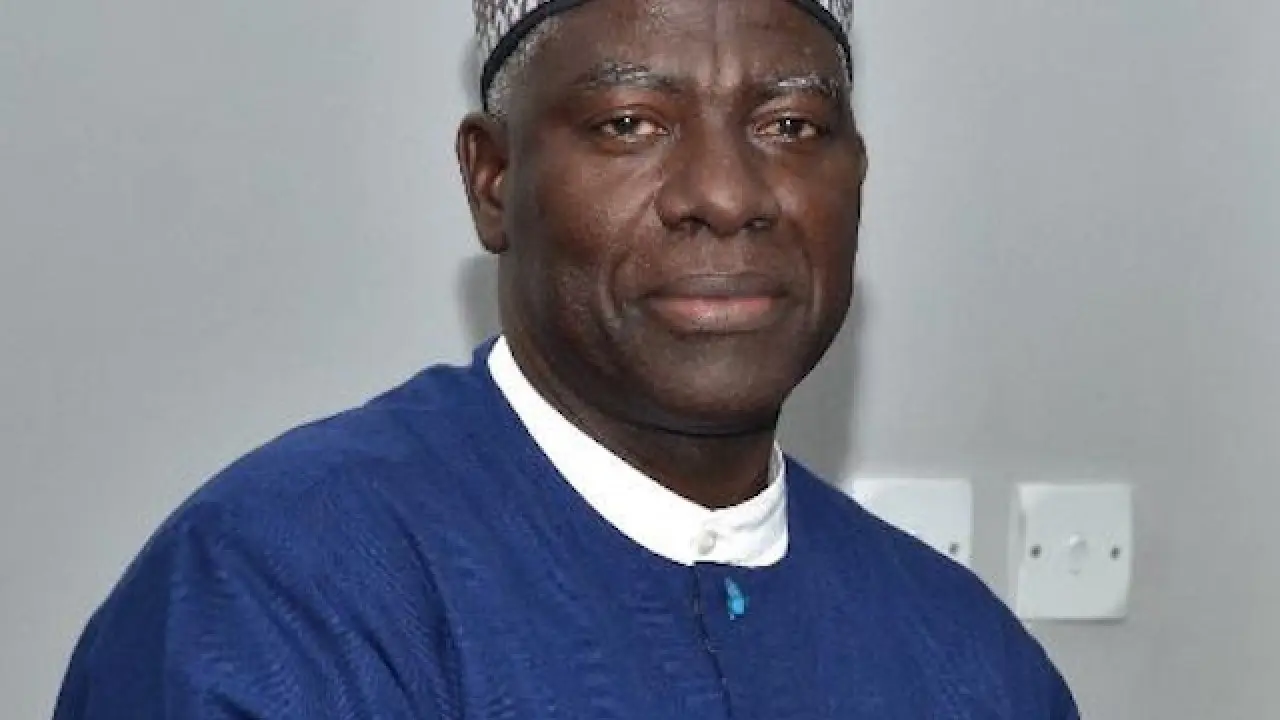
Fresh insights have surfaced regarding former President Muhammadu Buhari’s calculated refusal to publicly anoint a successor ahead of the 2023 general elections. The details, which shed light on the high-stakes internal politics of the All Progressives Congress (APC), are contained in the newly launched 600-page biography, From Soldier to Statesman: The Legacy of Muhammadu Buhari, unveiled recently at the Presidential Villa in Abuja.
The book, authored by Dr. Charles Omole, provides a rare glimpse into the former president’s security-first mindset, particularly through the lens of those who managed Nigeria’s intelligence apparatus. Among the most striking contributions is that of the former Director General of the Department of State Services (DSS), Yusuf Bichi, who finally addressed why Buhari declined to name a “preferred candidate” despite immense pressure from party loyalists and the public.
Bichi revealed that the decision was not born of indecision or a lack of interest, but was a deliberate strategy informed by grim intelligence reports. According to the former DSS chief, naming a successor in the highly charged political atmosphere of 2022 would have essentially placed a target on that individual’s back. Bichi disclosed that the intelligence community was wary of the “literal” dangers present during that period, noting that an open endorsement could have exposed the chosen candidate to severe physical security risks and even assassination attempts.
“In those months, knives were out; politically and, as security professionals know too well, sometimes literally,” Bichi stated in the biography. He explained that Buhari chose to absorb public criticism and accusations of being detached rather than risk the lives of his associates or the stability of the ruling party. By refusing to intervene, the former president effectively distributed the political risk among all the aspirants, preventing a concentration of hostility on a single person.
Furthermore, Bichi argued that Buhari’s silence was a masterstroke in party management. Had he picked a favorite, it likely would have triggered a catastrophic internal crisis, potentially leading to the disintegration of the APC. The former president believed that allowing a free and competitive primary process was the only way to maintain a semblance of cohesion. This approach ensured that the eventual winner would emerge through a process that appeared transparent, rather than being seen as a product of an imposition that could have alienated other powerful factions within the party.
The book presentation, which drew a high-profile crowd including President Bola Ahmed Tinubu and several African heads of state, serves as a comprehensive defense of Buhari’s leadership style. It paints a picture of a leader who prioritized national and party stability over personal political maneuvering. Bichi’s revelations suggest that while the public saw a “laconic” president, the reality was a leader navigating a minefield of security threats and political treachery, choosing a path of strategic silence to ensure a peaceful transition of power.


